Category Archives: Mosquito Control

How to Repel Mosquitoes Naturally at Home & Outside
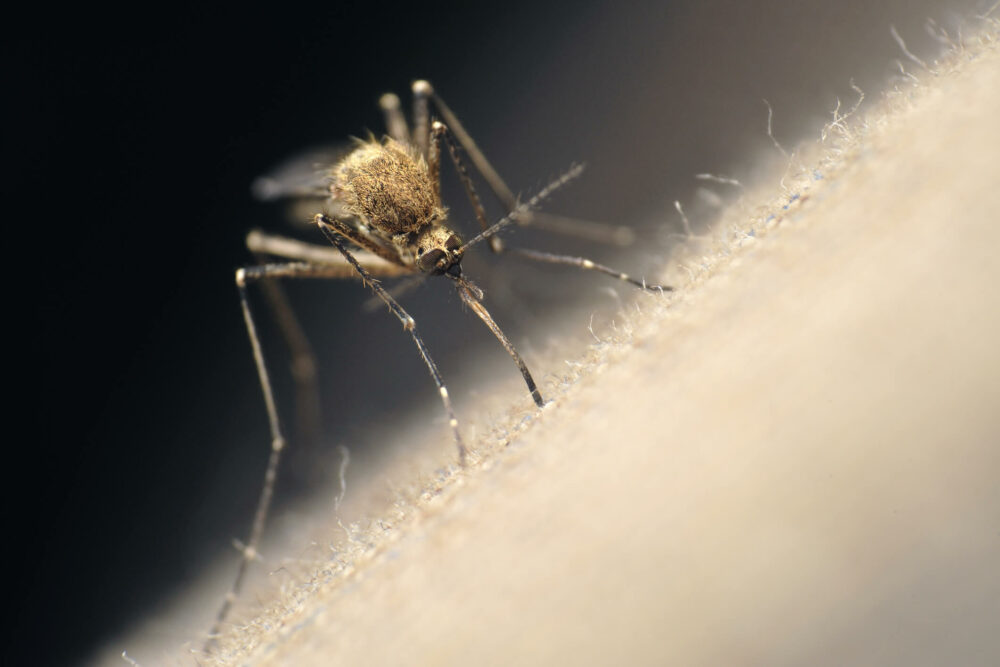
Close up of Mosquito biting someoneEffective Natural Mosquito Repellents for Your Home and Yard

Mosquitoes can quickly ruin time spent relaxing in your yard with their itchy bites and disease risks. However, many homeowners wonder what naturally repels mosquitoes as they seek plant-based, environmentally friendly solutions. Fortunately, there are natural mosquito repellents worth trying as alternatives to DIY chemical products.  

Precise also offers free inspections to help you get to the root causes of your mosquito problem and devise a plan that works for your family.  

What Attracts Mosquitoes Around Homes

First, it’s important to understand why mosquitoes may be attracted to certain areas of your home and yard so that you can target them directly. Since mosquitoes need water to reproduce, you’ll often find them around standing water, such as bird baths, plant saucers, and clogged gutters.  

Kiddie pools, buckets, poorly drained yard areas, and rainwater collection barrels may also attract these pests. Meanwhile, cool, shaded areas with tall grass and dense landscaping are attractive to mosquitoes during the hottest parts of the day.  

Plants That Naturally Repel Mosquitoes  

One of the easiest and most enjoyable ways to repel mosquitoes naturally is to introduce certain plants to your patio, deck, or entryway. For example, citronella has a strong citrus smell and works well in large containers around outdoor seating areas.  

Lavender produces a strong smell that people often like but that mosquitoes hate. Marigolds, basil, and catnip also have natural mosquito repellent properties.  

Essential Oils that Repel Mosquitoes  

In addition to live plants, you can also use natural essential oils to deter mosquitoes inside and outside your home. Mosquito-repelling oils include citronella, lemon, lavender, peppermint, tea tree, and lemongrass.  

You can mix a few drops of these oils with water and witch hazel to create a simple spray to apply to outdoor seating areas and clothing. Essential oils can also be used in diffusers and candles in mosquito-prone areas.  

More Natural Ways to Prevent Mosquitoes at Home  

Besides plants and essential oils, what naturally repels mosquitoes? Here are some more suggestions that don’t involve harsh chemicals or major investments.   

  • Place fans near outdoor seating areas to disrupt mosquitoes’ flight patterns  
  • Make sure window screens are in good condition so mosquitoes don’t come inside 
  • Remove any standing water around your yard  
  • Keep landscaping trimmed and garden areas tidy 
  • Remove excess leaves and debris from your yard 

What to Do When Natural Mosquito Repellents Aren’t Enough  

If you have tried some or all of these natural mosquito repellents and are still having mosquitoes in your space, it’s likely time to call a professional. Precise Termite & Pest Control offers professional services to keep your home and yard mosquito-free year-round.  

Our licensed and experienced technicians will come to your home to identify mosquito breeding sites and apply targeted treatments to mosquito habitats. We’ll work with you to decide on treatments you are comfortable with and create a customized plan to keep mosquitoes away.  

A Hybrid Approach for Lasting Mosquito Protection  

We recognize that natural treatments can help deter mosquitoes but may not eliminate them entirely. Oftentimes, the best approach to eliminating mosquitoes is a combination of natural DIY strategies and professional treatments.  

Northern New Jersey residents have come to rely on us for fast, safe, effective, and affordable pest control with the best long-term results. Please contact us to learn more about our mosquito treatments or to schedule a visit to your home.  

Mosquito Diseases & Behavior in New Jersey
Understanding Mosquito Behavior and Disease Risks for Homeowners

Close-up of a mosquito on a leaf, illustrating mosquito behavior in New Jersey

When you understand how mosquitoes behave and the risks they present, you can be proactive about protecting your home and family from these dangerous, nuisance pests.  

At Precise Termite & Pest Control, we believe that knowing mosquito facts is the first step toward effective, long-term protection. As your local pest control provider for over 35 years, we’re committed to keeping you safe from mosquito activity and reducing your risks throughout the year.  

Understanding Mosquito Behavior

In New Jersey, mosquitoes usually become active in the early spring as temperatures rise above 50 degrees. Their activity peaks during the warm, humid months of summer and continues through the early fall.  

Mosquitos are most active at dawn and dusk. However, mosquitoes also bite humans during the day, especially in wooded and shaded areas. They’re attracted to body heat, certain body odors, and the carbon dioxide that we exhale.  

Mosquito Facts You Should Know

Here are some important mosquito facts that every New Jersey homeowner should know:  

  • Mosquitoes can lay hundreds of eggs at a time 
  • Mosquito eggs can hatch in standing water in just 24 to 48 hours 
  • Mosquitoes only need about a bottle cap’s worth of water to breed 
  • Only female mosquitoes bite (they need blood to produce eggs)  
  • Mosquitoes rest in tall grass and shaded brush during the day  

The Risks of Mosquito Diseases

Mosquitoes are known carriers of several serious illnesses. Although not every mosquito carries a disease, it’s impossible to know if the one you’ve been bitten by carries one until symptoms arise.  

In New Jersey and throughout the U.S., one of the most common mosquito-borne diseases is West Nile virus, which causes fever, body aches, and neurological complications. Eastern Equine Encephalitis is a rare mosquito-borne disease that can cause brain inflammation and death.  

Although the Zika virus is more common in tropical regions, this mosquito-transmitted disease is especially concerning for pregnant women due to the risk of birth defects. Dengue and Chikungunya are viral infections and mosquito-borne diseases that are more common in other parts of the world but can affect you during travel.  

How to Reduce Mosquito Activity at Home

To reduce your disease risks and stay comfortable in your own backyard, especially during the peak summer season, effective mosquito control is essential. 

One important step is eliminating standing water around your yard, as this is where mosquitoes breed. Also, maintain your landscaping by regularly trimming grass and shrubs and removing yard debris. 

To protect yourself from mosquito-borne diseases, wear EPA-approved mosquito repellents when spending time outside. Also, wear light-colored long sleeves and pants, and avoid being outside at dawn and dusk, if possible.  

While all of these DIY steps will help you prevent mosquito-transmitted diseases, professional mosquito control offers a stronger defense. At Precise, our treatments are proven to reduce mosquito populations and interrupt breeding cycles to lower your risk of mosquito-borne diseases in New Jersey.  

Contact Precise for Effective Mosquito Control

Across northern New Jersey, Precise is your local source of mosquito expertise and protection. Our targeted mosquito control services reduce active mosquito populations, identify and treat breeding areas, and provide seasonal protection for your home.  

By understanding these mosquito facts, you’ll be better prepared to reduce your exposure to mosquito-transmitted diseases. Please contact us online or call us at 866-971-2847 for your free mosquito inspection and to enlist our help in developing a customized mosquito plan tailored to your New Jersey property.  

Mosquito Control NJ | Backyard Mosquito Prevention Tips

Mosquito Control and Prevention Tips for Your Backyard

Parent applying mosquito spray on child’s legs in backyard for mosquito control and prevention

Mosquitoes are more than just annoying summer pests – they can make backyard gatherings downright unbearable and even create health risks. Effective mosquito control is crucial in New Jersey’s warm, humid months when these insects thrive.  

At Precise Termite & Pest Control, we are committed to helping you with mosquito prevention so you can enjoy your yard all throughout the year. 

Understanding Backyard Mosquito Control

It’s important to understand that mosquitoes reproduce rapidly in warm, wet conditions. For example, females can lay hundreds of eggs in just small amounts of standing water. Then, those eggs can hatch within just 24 to 48 hours.  

Understanding mosquito control starts with recognizing what attracts mosquitoes to your yard. Standing water, decorative ponds, water features without circulation, and overgrown areas that trap moisture are especially problematic.  

Not only do mosquitoes cause itchy, uncomfortable bites, but they can also carry serious diseases like West Nile virus. Some people are also allergic to mosquito bites and experience swelling, redness, and blisters due to an immune response.  

Mosquito Prevention Tips to Start Today

Fortunately, there are many mosquito prevention tips that you can implement on your own right away to establish a mosquito-free yard.  

Eliminate Standing Water

First, eliminate any sources of standing water, because this is where mosquitoes love to lay eggs. This means dumping water from flower pot saucers, pet bowls, and buckets at least once a week. Also, keep pools covered and water features circulating with a pump.  

Keep Up with Yard Maintenance

Since mosquitoes like cool, moist hiding places, trim your grass and bushes to reduce shaded areas. Remove any piles of leaves or yard clutter to improve airflow and make your yard less attractive to pests.  

Try Traps and Barriers

Various DIY mosquito products can help with mosquito prevention. For example, you can try mosquito nets to cover patio or deck screens. You can also buy mosquito traps to lure and kill mosquitoes.  

Prioritize Personal Protection

When you spend time outside, wear light-colored clothing, long sleeves, and pants to minimize your skin exposure to mosquitoes. Also, use EPA-approved mosquito repellents on your skin and clothes for extra protection.  

Enlist the Help of a Professional

However, the most effective form of mosquito control in NJ is often professional spraying, especially if you have a lot of mosquito activity that doesn’t respond to DIY treatments.  

At Precise Termite & Pest Control, our skilled technicians apply mosquito control treatments around problem areas, typically in the spring before mosquito season peaks. Then we can continue spraying throughout the summer to achieve long-lasting results and reduce mosquito populations and disrupt breeding cycles.  

How Precise Helps with Mosquito Control in NJ

For over 35 years, we’ve been helping northern New Jersey residents eliminate mosquitoes from their properties. We offer professional mosquito control services that involve inspecting your property for breeding sites, safely applying targeted treatments, and providing ongoing seasonal mosquito prevention plans.  

Don’t let mosquitoes ruin your summer or limit time spent in your beautiful backyard. Life is too short to worry about pests or waste time fighting them all on your own.  

Please call us at 866-971-2847 or fill out our online form to schedule your free home inspection and let us help you create a custom mosquito control plan for your yard.  

Do Mosquitos Bite Dogs?

Dog sitting on the back patio where mosquitos can reach them.

Everyday life with pet.

Nearly every person has been bitten by a mosquito at one point in life, making them one of the most nuisance pests in the world today. But what about pets? Do mosquitoes bite dogs, too?

The answer is yes, they do, and mosquitoes can also carry diseases that make dogs sick.

The extermination experts at Precise Termite & Pest Control share information about the risks of mosquito bites on dogs and how to prevent mosquitoes in your yard.

How to Identify Mosquito Bites on Dogs

Mosquito bites on dogs commonly occur on their backs and flanks. They are most likely to bite dogs in the dusk hours of the day, and dogs may not even feel the biting when mosquitoes land on them.

However, observe your dog carefully if you notice uncommon scratching, biting, or licking in a specific part of the body. A dog will often exhibit these behaviors after a bite. Dogs may also rub their nose or ears against rough surfaces.

Check for welts and bumps on your dog’s skin. There may be multiple bites or just a single bite in an affected area, which may last for a few hours or an entire day.

It is easier to see mosquito bites on short-haired dogs than on long-haired breeds. However, the bites on human skin look very similar—less than a centimeter in diameter with a flat, pink surface.

Can Dogs Get Mosquito Bites That Are Dangerous?

Mosquito bites make dogs itchy and uncomfortable, but the risks go beyond this. One of the biggest risks for dogs is the spread of heartworm, which mosquitoes can spread from infected larvae that enter the dog’s skin through bites.

Heartworm can cause permanent damage to a dog’s heart and lung arteries, and it can even be fatal. Although rare, dogs can also be affected by severe mosquito-borne diseases like Zika, West Nile, malaria, and yellow fever.

Meanwhile, mosquito bites on dogs can lead to a hot spot, a red, inflamed, and painful dermatitis skin condition. Some dogs experience anaphylaxis, a severe allergic reaction, after being bitten by a mosquito.

Preventing Mosquito Bites on Dogs

The best way to prevent your dog from getting ill from mosquito bites is to administer heartworm prevention medication on an ongoing basis. This standard, easy, and affordable veterinary practice protects your dog from the most common mosquito-borne illness that affects canines.

You can further prevent bites by removing your property’s stagnant water sources, such as outdoor dog bowls and bird baths. Keep grass mowed where mosquitoes may hide, and use pet-friendly mosquito repellent products as part of your lawn-care routine. You can also install insect lights outside to deter mosquitoes from your porch and keep windows and doors closed or screened so they don’t come inside.

Get Rid of Mosquitos in Your Yard

Now that you have a better understanding of “do Mosquitoes bite dogs?” let’s figure out how to keep mosquitoes away from your yard in the first place.

Precise Pest Control offers professional mosquito control services to eliminate these burdensome pests from your life. We highly recommend treating your backyard in the spring before mosquito season really picks up.

As soon as you notice you or your pet getting bitten by mosquitoes, contact us for a free inspection to see how we can help. We look forward to keeping you and your dog safe from mosquitoes, so please give us a call at 866-971-2847 or contact us online for more information.

How to Get Rid of Mosquitoes in the House
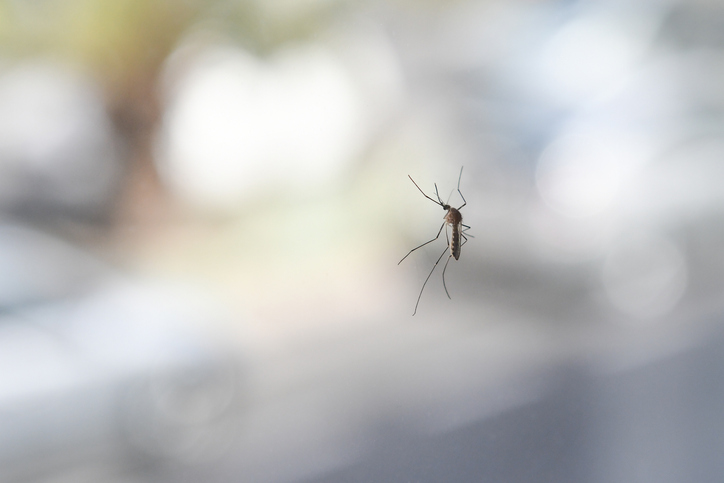
Mosquito perched on a windowMost mosquito problems take place in the outdoors, whether its in the backyard, in parks, or along hiking trails in the woods. But mosquitos can make their way indoors too, which causes an additional set of headaches for families in the summertime.


In this article, we explore how mosquitoes get into houses, how long they can live indoors, and ways to get rid of mosquitoes that have entered your home.


How Are Mosquitoes Getting in My House?

Mosquitoes prefer to live near stagnant water and wet areas, which you may have around the inside of your home. Interior water features, pet water bowls, and houseplants are favorite places among mosquitoes. Mosquitos may also live around gutters that aren’t draining properly, toilets, utility sinks, laundry rooms, air coolers, and places that have become damp due to plumbing leaks.


These insects enter homes through gaps in doors and windows, which is a good reason to fix your screens and seal up gaps. Repair screens with a patch kit, place a door strip under doors where you can see light coming through, or pick up some weather stripping materials to make repairs. You can prevent mosquitoes from breeding inside your home by eliminating pooled water around your air conditioning unit and by making sure that drains are cleaned regularly and covered when possible.


How Long Do Mosquitoes Live Indoors?

In an indoor environment, mosquitoes can live for quite a while, typically about four to 30 days. The average lifespan of a mosquito is approximately two to three weeks. But a larger concern is if a female mosquito lays eggs and gives birth to baby mosquitos to cause a full-blown infestation.


Ways to Get Rid of Indoor Mosquitoes

While many homeowners use pest control sprays in the outdoors to handle mosquito problems, some people are more hesitant to use certain products indoors because of the close exposure to humans and pets. Therefore, it may be worth trying one or more natural ways to repel mosquitoes inside your home, such as citronella, lemon eucalyptus oil, lavender, cinnamon, or Greek catnip oil.


It may also help to place mosquito-repellent plants inside your home, such as marigolds, mint, or lemongrass. Other home remedies to try for interior mosquito problems include putting sliced lemons and cloves around your home and laying out a dish of soapy water to attract and kill mosquitoes. For a DIY approach, there are also mosquito zappers that are suitable for indoor use and that are typically smaller and quieter than the loud and bright devices that are used in outdoor spaces.


How Our Exterminators Can Help

However, the best way to prevent interior mosquitoes is to control them outside before they even have a chance to come indoors. Precise Termite & Pest Control offers Bergen County, Passaic County, Morris County, Sussex County, and Essex County mosquito control services and can get your outside mosquito problem under control so that you don’t even have to worry about these insects being inside your house. We can help you determine the source of your mosquito issue, safely exterminate them, and take precautions to ensure that they don’t come back again.


For a free mosquito inspection, contact Precise Termite & Pest Control at 866-971-2847 or fill out our online form. We look forward to helping you get mosquitoes off of your property and out of your life for good.

Top Summer Pests and Prevention Tips

Young woman at home using air spraySummer is a time when many of us start getting more active and spending extra time outdoors. But humans aren’t the only ones with these good ideas! Here in New Jersey, you’ll encounter many more bugs in summer, which can put a damper on your fun outside plans.

Since common insects are a bigger problem during the warm summer months, here are some tips for keeping your season as bug-free as possible.


Ants

Ants are a bigger issue in the summer than during other times of year because they come indoors seeking water and moisture to cool off and hydrate. Ants can get into cracks and holes in the exterior of your home, including fire ants that can even bite and sting you. To keep ants away in the summer, you can try commercial ant repellent, set pet-safe ant traps, or call a professional exterminator.


Mosquitoes  

Mosquitoes are perhaps the most notorious of all summer bugs. They thrive on hot and muggy summer days and leave you with red and itchy bite marks after spending time at a park or hiking a trail. To control mosquitoes in the summer, eliminate standing water from your yard and cover your skin with lightweight fabrics so they are less likely to come in contact with your skin.


Bees and Wasps

You might notice more bee and wasp activity in the summer too, especially as these common insects are busy pollinating flowers. Some of these summer bugs are harmless, while others are aggressive and can cause severe stings that result in allergic reactions. Some easy and natural repellents that you can try for bees and wasps around the house include dryer sheets, mothballs, and cloves because they hate the smell of all of these things!


Fight Back Against Summer Bugs

Summer is a time that we must learn to coexist with insects, but only to a certain extent. You deserve to have as bug-free of a summer as possible, which is why Precise Termite & Pest Control is here to help. No matter what common insects you’re dealing with, we have the most experienced exterminators in the industry to get the situation under control.

Contact us at 866-971-2847 for a free inspection so that you can enjoy the rest of summer!

The Many Types of Bug Bites and Stings & How to Differentiate Them
Getting bitten or stung by an insect is never pleasant, but some bites and stings are more serious and uncomfortable than others. Furthermore, if you didn’t see the actual insect land on your skin, you might not be sure exactly what caused symptoms like itching, pain, swelling, and redness.

Here is some information about the different types of bug bites and stings and how to differentiate them to pursue the best course of treatment.

Spider Bites

Many spider bites are harmless, but others are dangerous and require immediate medical attention. Spider bites typically look like two small puncture marks and have a single raised papule or pustule. Spiders, such as brown recluses and black widows, are very dangerous when they bite. Meanwhile, some people have allergic reaction to even the most common spiders. The symptoms of a spider bite may be unnoticeable at first but worsen after two to eight hours.

Tick Bites

If you’ve been bitten by a tick, you’ll likely notice swelling and pain at the affected area. You may also notice blisters forming, a rash, and a burning sensation. Since ticks can remain attached to skin for long periods of time, it is best to remove the entire tick with tweezers. A skin reaction at the site of a tick bite can be symptomatic for several days or even weeks.

Mosquito Bites

Mosquito bites appear as small, round, and swollen bumps that appear very soon after you’ve been bit. They may occur as a single bite or occur in clusters. Mosquito bites are usually very itchy, but the itch should subside within a few days.

Bee Stings

After being stung by a bee, the skin develops a white spot where the stinger went into the skin. You may experience itching, pain, swelling, and redness after being stung by a bee. The symptoms of a bee sting typically peak after about 24 to 48 hours and may last for several days after that.

Wasp Stings

Unlike bees that only sting one time, wasps can sting multiple times if they become aggressive. Wasp stings can be itchy and result in swelling, sharp pain, and redness. You’ll also notice raised welts around the place you were stung. With wasp stings, the redness and swelling will typically increase for two to three days after being stung and then subside after that.

One of the best ways to prevent these types of bites and stings (and many others too) is to keep your home and yard pest-free. At Precise Pest Control, we offer effective, prompt, safe, and affordable pest control solutions to help you minimize your risks. At the first signs of a pest problem or as a preventative measure, contact us for a free inspection.

Best Practices for Backyard Mosquito Control

suburban backyard that is mosquito freeAs anyone in New Jersey will tell you, summer is the prime season for mosquitoes. Not only are mosquitoes annoying when you’re trying to spend time outdoors, but they can cause painful bites and carry harmful diseases.

Here are some recommendations for safe and effective backyard mosquito control to help you get through the summer with minimal bites and itching.

Continue reading