The Many Types of Bug Bites and Stings & How to Differentiate Them

Getting bitten or stung by an insect is never pleasant, but some bites and stings are more serious and uncomfortable than others. Furthermore, if you didn’t see the actual insect land on your skin, you might not be sure exactly what caused symptoms like itching, pain, swelling, and redness.

Here is some information about the different types of bug bites and stings and how to differentiate them to pursue the best course of treatment.

Spider Bites

Many spider bites are harmless, but others are dangerous and require immediate medical attention. Spider bites typically look like two small puncture marks and have a single raised papule or pustule. Spiders, such as brown recluses and black widows, are very dangerous when they bite. Meanwhile, some people have allergic reaction to even the most common spiders. The symptoms of a spider bite may be unnoticeable at first but worsen after two to eight hours.

Tick Bites

If you’ve been bitten by a tick, you’ll likely notice swelling and pain at the affected area. You may also notice blisters forming, a rash, and a burning sensation. Since ticks can remain attached to skin for long periods of time, it is best to remove the entire tick with tweezers. A skin reaction at the site of a tick bite can be symptomatic for several days or even weeks.

Mosquito Bites

Mosquito bites appear as small, round, and swollen bumps that appear very soon after you’ve been bit. They may occur as a single bite or occur in clusters. Mosquito bites are usually very itchy, but the itch should subside within a few days.

Bee Stings

After being stung by a bee, the skin develops a white spot where the stinger went into the skin. You may experience itching, pain, swelling, and redness after being stung by a bee. The symptoms of a bee sting typically peak after about 24 to 48 hours and may last for several days after that.

Wasp Stings

Unlike bees that only sting one time, wasps can sting multiple times if they become aggressive. Wasp stings can be itchy and result in swelling, sharp pain, and redness. You’ll also notice raised welts around the place you were stung. With wasp stings, the redness and swelling will typically increase for two to three days after being stung and then subside after that.

One of the best ways to prevent these types of bites and stings (and many others too) is to keep your home and yard pest-free. At Precise Pest Control, we offer effective, prompt, safe, and affordable pest control solutions to help you minimize your risks. At the first signs of a pest problem or as a preventative measure, contact us for a free inspection.

Types of Mice and Common Questions About Mouse Infestations

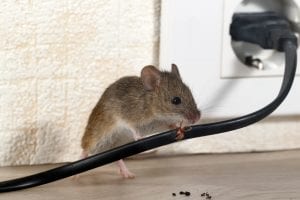
Mouse gnawing on wiring of a home

A mouse in the house is never a good thing, but there are certain things you should know about mice to identify them and how to know whether you have a mouse infestation. In this article, we’re looking at the various types of mice, which ones are most common in New Jersey, and answering a few common questions that homeowners have about potential mice problems.

Continue reading

How to Avoid Pests While Traveling on Vacation


Suitcases in an airport

Travel is wonderful for the mind, body, and soul, and pests are probably the furthest thing from your mind during a vacation. But unfortunately, insects, rodents, and pests of all kinds exist bar beyond our backyards and all over the world.

Pests look differently and affect us differently based on where we travel, which means that you might not even be familiar with pests that live in your vacation destination. Here are some common pest-related questions that people ask while they’re on vacation and how you can avoid pests while traveling.

Continue reading

What Is a Stink Bug and Signs You Have a Stink Bug Infestation

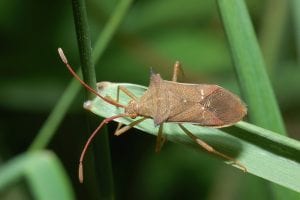
Stinkbug infesting a New Jersey backyard

Did you know that some insects release an odor as a defense mechanism to protect themselves? Although their official name is Pentatomoidea, this is how stink bugs got their common name. Stink bugs are common in New Jersey and can be a major problem for homeowners if they aren’t kept under control. Here is what you should know about stink bugs, including what attracts stink bugs and what keeps stink bugs away.

Continue reading

The Importance of World Pest Day on Pest Control Industry Trends

World Pest Day summit

June 6 is World Pest Day, but if you’re not part of the pest control industry, you might not know what that really means or why it’s important. World Pest Day is a multinational event that takes place each year to “raise the status of the pest management industry among the general public.”

Here’s some information about why World Pest Day is important for homeowners all around the world and the pest control trends we expect to learn about from this year’s summit.

Continue reading

Bird Pest Control: Types of Birds That Are Pests and What to Do About Them

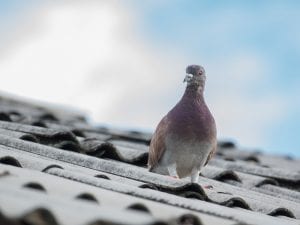
Pigeon on a roof

There’s something beautiful and soothing about waking up to the sound of birds gently chirping to greet the new day. But not all birds are pleasant to have around your home, and some birds are actually considered to be pests because of the damage they cause and dangers they pose.

Here is some information about bird pest control, including what to do if you have a bird problem and the best bird control methods.

Continue reading

How Do I Control Fire Ants in My House and Yard?

Fire ants in a backyard

There are many different kinds of ants that exist in New Jersey, but one of the most concerning types to have around your home is the fire ant. This is because unlike most varieties of ants, fire ants are able to bite and sting people and pets. At the first sign of a fire ant infestation, it’s important to exterminate these pests and take steps for proper fire ant prevention.

Here is some information about how to control fire ants in your house and around your yard. We’ll discuss what fire ants are, where they live, and best practices for fire ant prevention in New Jersey.

Continue reading

How Often Should an Exterminator Come to Your Home?

Exterminator in a home

Unfortunately, many homeowners in New Jersey wait until the last minute to call an exterminator when they are having a pest problem and already experiencing health risks and structural damage. There are many benefits to frequent pest control visits and various factors that influence how often you need to have an exterminator come out for preventative maintenance.

Here is a discussion about pest control frequency, when to call an exterminator for help, and the best time of year for pest control services.

Continue reading

Wasp vs. Bee: Which Is It, and How to Deal with a Yard Infestation

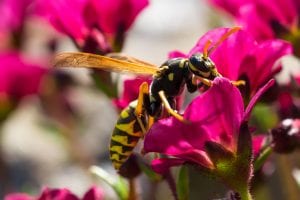
A wasp on a pink flower

Maybe it buzzes, maybe it stings, and maybe it’s terrorizing your home and yard.

Wasps and bees are an important part of nature, but it can be very unsettling and unsafe to have them in your personal space.

This article will describe the differences between bees and wasps and provide tips about what you should do if you have a bee or wasp infestation in your yard.

As experts in identifying these species, as well as bee hive removal, we’ll also discuss the importance of removing the entire hive and other preventative tips for a bee-free home.

Continue reading

What Causes Termites and How to Spot Them in Your Home

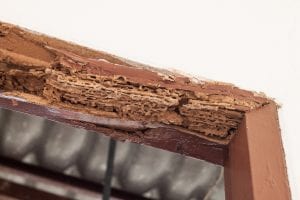
Wooden doorway with termite damage

Termites are known as wood-eating insects that cause homeowners up to $5 billion in damage every year, according to the National Pest Management Association. But exactly what causes termites, where do they come from, and what do termites look like?

In this article, we’ll answer all of those questions so that you can identify a termite problem early on and call in the professionals for help right away to avoid substantial home damage.

Continue reading