Category Archives: Rodent Control

Rodents in Your Attic: Signs, Dangers & Removal

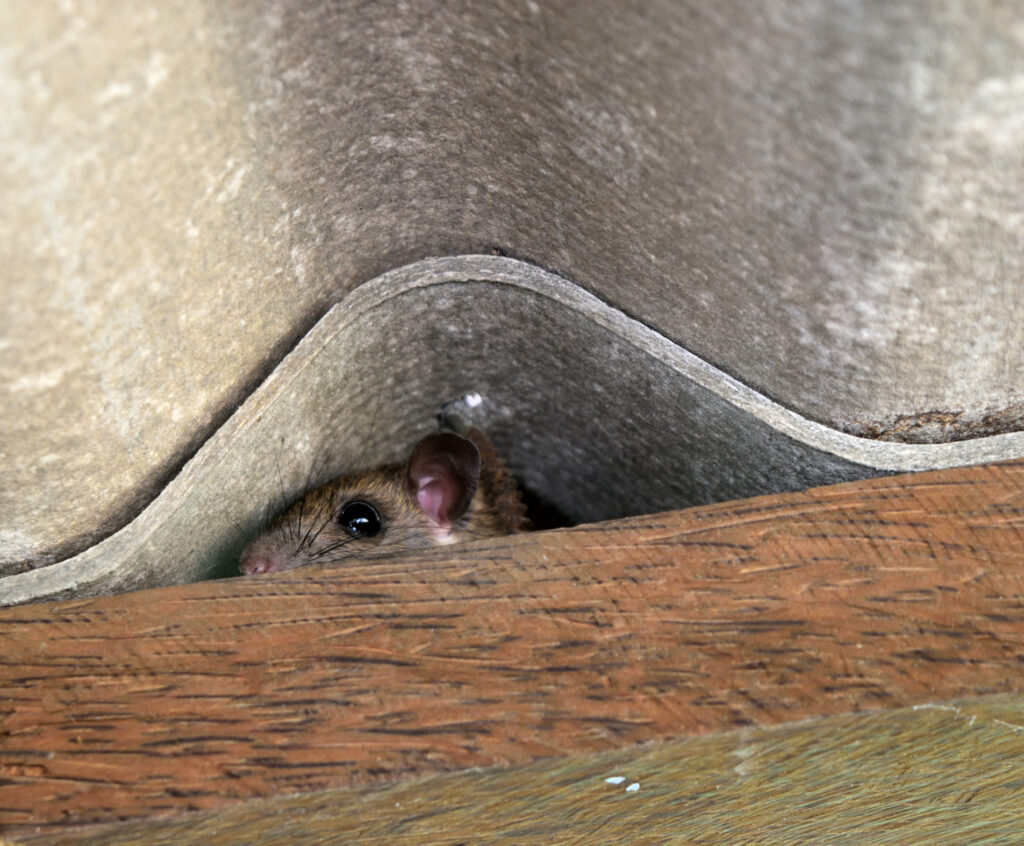
Understanding and Eliminating Attic Rodent Problems a dark attic

Having rodents in an attic is more than just a nuisance; these common, adaptable pests can cause serious damage to a home and pose health risks to your family. Attics are ideal nesting places for mice and rats because people rarely spend time in them, yet they provide ample warmth and shelter.

If you think there may be pesky intruders in the upper level of your home, it’s important to recognize the telltale signs and the dangers they pose. Precise is here to help you understand how to get rid of rodents in your attic and to keep them away for good.

Signs of Rodents in Attics

In attic spaces that you rarely visit, rodents can go unnoticed for weeks or even months. However, here’s a list of warning signs to watch and listen for:

  • Scratching and scurrying sounds, especially at night
  • Gaw marks on wood, boxes, or wires
  • Urine stains and droppings near storage and insulation
  • Insulation that’s been torn or otherwise disturbed
  • A musty odor in the attic
  • Small nests comprised of shredded insulation and other debris

If you notice any of these signs, it’s likely that an established infestation is already underway. Mice and rats reproduce incredibly quickly, so even the slightest evidence often signals a larger, hidden problem.

Why Rodents Love Attics

Rodents are attracted to attics because this upper level of a home provides many of the things they need to survive – shelter, warmth, and protection from predators. Mice and rats commonly use fiberglass, cellulose, and other insulation materials to build nests and establish colonies.

Rodents typically enter attics through small gaps and cracks around a home’s vents, rooflines, and utility lines. Mice can squeeze through openings as small as a dime, so even the most minor structural defects can become entry points.

The Risks of Rodents in Your Attic

Ignoring a rodent problem in your attic can lead to serious consequences for your home and your health, including:

Structural Damage

Rodents are notorious for chewing through wood, insulation, and drywall. Therefore, they can compromise your home’s structural integrity and reduce its energy efficiency, resulting in higher heating and cooling costs.

Health Risks

There are health risks associated with rodents, as they can carry harmful bacteria and diseases such as Salmonella, hantavirus, and leptospirosis. They spread disease through their urine and feces, contaminating surfaces and the air that you breathe at home.

Fire Hazards

Rodents also gnaw through electrical wiring, which is one of the biggest dangers to be aware of. Shredded wires can spark and create fire hazards inside your house.

Rapid Infestation Growth

The longer a rodent problem is ignored, the more extensive and costly the damage is likely to become. This is because rodents breed and multiply very quickly, especially when you fail to recognize the signs of rodents in an attic.

How to Get Rid of Rodents in Attic Spaces

The process of getting rid of rodents in the attic starts with a thorough inspection of the space and your home’s exterior to identify entry points and nesting areas. Professional-grade solutions, including traps and bait stations, safely remove rodent populations when expertly placed in high-traffic areas.

Exclusion is a critical next step, which involves sealing openings with chew-proof materials. Once you’ve prevented rodents from re-entering your attic, it’s important to remove damaged materials and sanitize the space to reduce health risks.

Meanwhile, ongoing preventative measures, such as trimming branches away from your roof, will help keep rodents from returning.

Protect Your Home with Professional Rodent Control

Although you might try DIY rodent-removal methods first, these solutions rarely address the full scope of the problem. Rodents are smart and adaptable enough to avoid traps, find new entry points, and nest in hidden areas.

Fortunately, Precise offers comprehensive professional rodent control services to ensure infestations are fully resolved, not just temporarily addressed. If you are facing a situation with rodents in your attic – or want to prevent one – contact us today for a free inspection.

Don’t wait until the damage worsens and the repair costs rise. Call us at 866-971-2847 to take action now and protect your home and health for the long term.

Understanding Professional Mice Removal
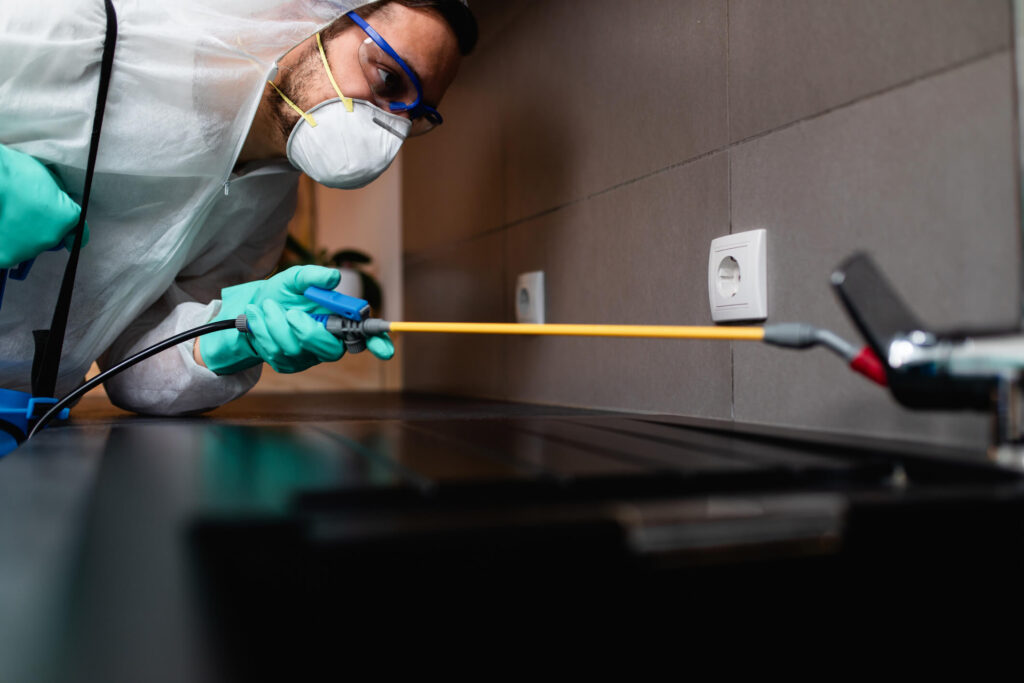
Mice Removal: Our Approach to Professional Mice Exterminationexterminator getting rid of mice from home

Mice can be highly frustrating household pests because they reproduce so quickly, gnaw through wiring, contaminate food, and carry diseases. Prompt and effective mice removal is essential to protect your home and family, and it requires more than just setting a few traps.

Precise offers professional mouse removal services to help you live pest-free in your home and prevent rodent infestations from recurring.

Why You Need Professional Mice Removal

At the first signs of mouse activity, many homeowners turn to DIY methods such as store-bought traps and rodenticide baits. However, these strategies often fail to deliver comprehensive and long-lasting results.

Our integrated approach involves everything from sealing to trapping and baiting, to ongoing monitoring and homeowner education, to reduce future risks through preventive measures.

Step 1: Find the Entry Points

The first step in our mouse extermination work is a thorough survey of the interior and exterior of your property. We look for cracks, gaps, holes, signs of gnawing, insulation damage, droppings, urine stains, and other signs of mouse activity that often get overlooked by the untrained eye.

Step 2: Exclusions and Sealing

Once we identify problem areas, we move forward with exclusion work by blocking mice’s access routes and installing rodent-proof materials, such as steel wool and wire mesh, that they can’t chew through. To prevent mice from entering your home, we seal wall and foundation cracks, close gaps around vents, and secure areas around utility lines.

Step 3: Strategically Place Traps and Baits

The next step in our mice removal process is to place targeted traps and bait stations to catch mice that are already living in your home

Step 4: Monitor and Adjust Strategies for Ongoing Prevention

Since mouse control issues are rarely a “one and done” endeavor, our professional mouse removal process involves ongoing monitoring and follow-up with our customers, making adjustments as your needs change. We offer peace of mind year-round, as we regularly check traps, remove dead rodents, and assess sealed entry points to prevent recurrence.

Before and After Your Mice Removal Treatment

Before we eliminate mice from your home, we recommend decluttering potential rodent hiding spots, such as basements and garages. Ensure that all food is stored securely and note any observed signs of mouse activity, such as droppings, scratching sounds, and chewed wires.

To prevent mice from returning after our mouse removal treatments, ensure that all food sources remain inaccessible and that no new entry points are introduced. We can also help you patch new holes and cracks that develop in the future, helping you avoid new mouse activity.

You Can Trust Precise with Your Mice Removal Needs

If you suspect mice in your home, don’t delay contacting Precise right away. We service Bergen, Passaic, Morris, Sussex and Essex counties and can arrive at your home quickly to handle your mice removal.

When & Where Mice Are Most Active: What Homeowners Need to Know

Understanding Mouse Activity in Your Home

Mice are highly adaptable rodents that enter homes through tiny spaces and creep throughout a home. Therefore, it’s crucial to understand when and where they are most active so that you can prevent infestations, even before the first signs of mice activity.

In this Precise Pest Control article, we cover the places where and times when mice make their moves so you can stop them in their tracks and live in a pest-free environment.

Daily Activity Habits of Mice

Mice are primarily nocturnal, which means they move around the most after dusk. This is when human activity typically decreases, and people feel safer venturing out to search for food. The prime times for mice activity are 30 to 60 minutes after your household quiets down. For example, mice commonly start moving throughout a home between 10 pm and 11 pm.

However, mice are also known to move within a house during the daytime, especially in areas with low human activity that remain undisturbed during the day.

Seasonal Patterns of Mice

Mice become very active during the fall, as they begin to seek warmth, shelter, and a consistent food source before winter. In New Jersey, our “mouse season” typically runs from September to November.

Mice in our area often remain indoors between December and February once they find reliable food and nesting areas. Mice remain active year-round and frequently breed in attics, basements, and wall cavities.

In the summer, mice breed, and young mice may venture out into the wild on their own.

Where Mice Prefer to Live 

When mice are active indoors, they tend to gravitate toward basements, attics, crawl spaces, and wall voids. You may also notice mouse activity behind appliances and inside cabinets.

Other common areas for mouse activity include sheds, garages, HVAC shafts, and places with plumbing pipes. In the winter months, you may notice mice migrating towards warm places like furnaces and near open water sources.

Timing Your Pest Control Strategy Right

The fall season is a critical time to take preventive measures to control mice. This means sealing entry points, inspecting high-risk areas, and eliminating open food containers. However, it’s crucial to inspect your home for signs of mouse activity regularly and to repair structural vulnerabilities throughout the year periodically.

The best times to place traps and monitor mice activity are in the evening and early night hours. Before mice’s peak movement hours occur, you can increase your chances of catching them during this time frame.

Precise Can Help You with Mice Extermination and Prevention

For peace of mind that you aren’t living among mice in your home, contact Precise for a free mouse inspection. Our experienced, licensed technicians will implement proven mouse extermination methods and proactive prevention strategies to eliminate active infestations and identify entry points.

Whether you are already noticing the signs of mice activity or want to safeguard your home before they arrive, Precise is here for you and all your pest control needs.

Please contact us to learn more about our mouse control techniques and to schedule your appointment. With our extermination team on your side, you can enjoy a cleaner and healthier mouse-free home at all times of day and all months of the year.

How to Rodent-Proof Your New Jersey Home Before Winter

Rodent searching for warmth and food indoors during winter, highlighting the need for professional rodent-proofing methods.

How Can I Rodent-Proof My Home Before Winter?

As the seasons change, many homeowners are starting to ask, “How can I rodent-proof my house before winter?”

As temperatures start to drop, mice, rats, and other rodents begin searching for warm places to live with easy access to food. Your house might be an ideal target for rodent activity in the winter, which is why preparing your home now is crucial.

Precise Termite & Pest Control can help you take proactive steps to protect your living spaces with DIY tips, all-natural rodent repellant treatments, and traditional mouse control services.

Why Rodents Are a Winter Problem

To learn how to keep mice out of the house in winter, you need to understand rodent behaviors as the seasons change.

Rodents often move indoors during cold weather to find warmth, food, and safe places to nest. Once established inside, rodent infestations can quickly escalate and evolve from a minor nuisance to significant property damage. Mice and rats in a house can damage insulation, chew electrical wires, and contaminate food sources. They can also make you sick as they spread bacteria and allergens, diminishing the air quality inside your home.

DIY Rodent-Proofing Tips for Homeowners

How can I rodent-proof my house before winter using low-cost and straightforward DIY methods?

Seal and Protect Entry Points

First, it’s essential to seal any areas where rodents may enter your home. Check your home’s foundation for cracks, utility line areas for gaps, and vents for openings. It may be necessary to repair damaged weather stripping, use steel wool or caulk to seal gaps, and install door sweeps to prevent rodent entry.

Maintain a Clean Environment

Throughout the year, aim to maintain a clean home that is less attractive to rodents. Ensure human and pet food is stored in airtight containers, and quickly clean up spills and crumbs so that hungry rodents don’t gravitate to those areas.

Outdoor Prep

As you take DIY action, inspect your outdoor spaces for clutter and trash that may attract rodents. Clear away stacks of firewood and piles of leaves near your foundation, and ensure that trash bins are always closed and tightly sealed.

Professional Rodent Prevention Options

When these DIY methods aren’t enough to keep rodents away, Precise’s professional services will help you figure out how to keep mice out of the house in winter.

Our All-Natural Rodent Repellant Treatment

We offer a safe and effective seasonal solution for eco-conscious homeowners. Our all-natural rodent repellant treatment features an organic, oil-based formula that we apply to the exterior foundation of your home.

This professional treatment is eco-friendly and safe for use around children and pets. It provides long-lasting protection throughout the winter, deterring rodents from entering the premises.

Traditional Rodent/Mice Control Services

Our traditional rodent and mice control services include a variety of extermination methods, including bat stations, traps, and ongoing monitoring. New Jersey homeowners trust us with their rodent control needs because we offer long-term protection against rodents and peace of mind that infestations are fully managed.

Signs It’s Time to Call a Professional

 If you notice any of these early warning signs, it is time to call Precise for professional rodent help:

  • Fecal droppings
  • Scratching noises
  • Gnaw marks
  • Chewed wires
  • Nests with fabric or shredded paper
  • Actual rodent sightings inside your home

Why Homeowners Choose Precise

Precise specializes in rodent prevention and control, with eco-friendly solutions available to keep your family and pets safe. We are the local extermination experts you can rely on for fast and responsive service performed by knowledgeable and friendly technicians you can trust.

Don’t Wait — Schedule Your Winter Rodent Protection Today

With winter just around the corner, now is the time to take immediate action to protect your home from rodent pests.

We hope that you now better understand how to keep mice out of the house in winter and will contact us for your free inspection today.

The Health Risks of Mice and Rats in New Jersey Homes
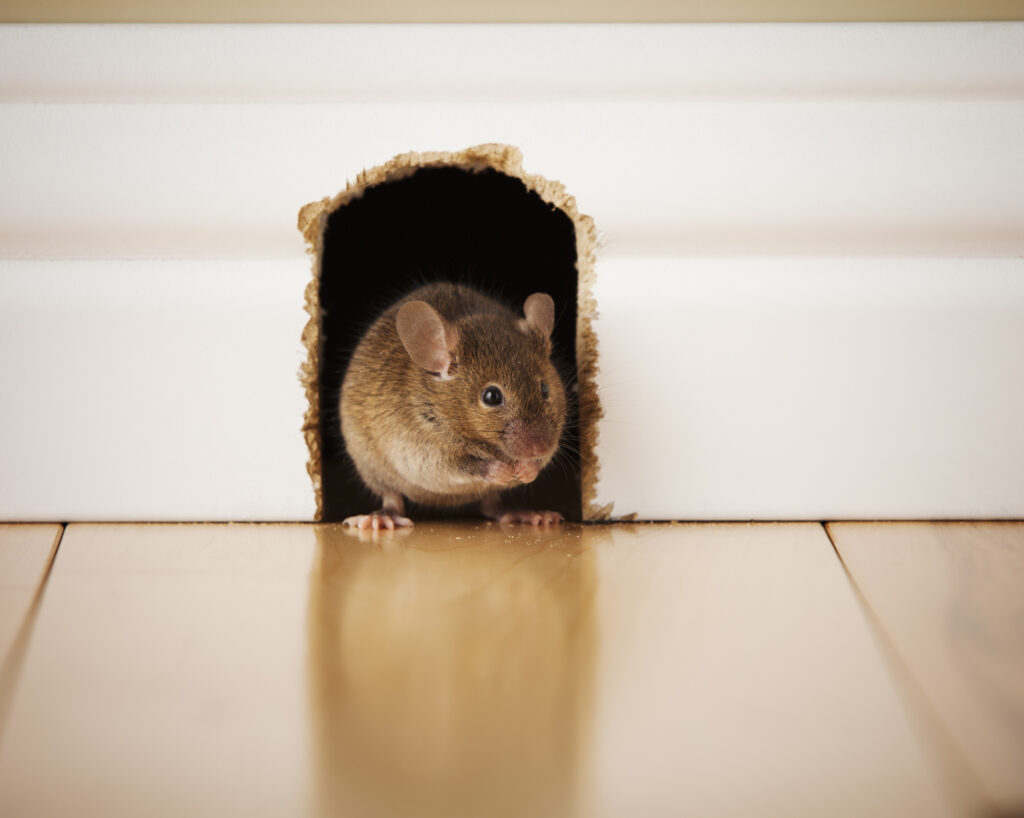
Mice and rats in a home environment, common disease carriers that pose health risks to humans and pets.

What New Jersey Homeowners Should Know About Mice and Diseases

Many types of rodents, including house mice, deer mice, field mice, and rats, carry diseases that can be spread to humans and pets. Fortunately, there are proactive measures you can take to reduce your disease risk and keep your home or business free from rodents throughout the year.

Precise specializes in rodent control and offers rodent repellant treatments to keep you feeling safe and healthy year-round.

How Rodents Spread Diseases

Rodents are vectors of various pathogens, including viruses, bacteria, and parasites. Humans can contract these pathogens through directly touching live or dead rodents and from the excrement they leave behind.

People can also get diseases from rodents by inhaling contaminated particles in the air. Touching contaminated surfaces can also lead to the transmission of disease between rodents and humans.

Diseases Rodents Often Carry

Hantavirus

Hantavirus is a disease commonly carried by deer mice. The early symptoms of hantavirus in humans are muscle aches, fevers, fatigue, vomiting, nausea, and headaches. Severe cases can lead to respiratory problems and even death.

Leptospirosis

Leptospirosis is a bacterial infection that rodents spread through their urine and by contaminating surfaces. People who develop this disease may develop liver and kidney damage, as well as organ failure and meningitis.

Salmonellosis

Salmonellosis is a foodborne disease that people contract after consuming food contaminated by rodents. Symptoms include fever, diarrhea, abdominal pain, chills, and muscle aches.

Rat bite fever

Rat bite fever affects people after they’ve handled or been bitten by a rodent. You may experience symptoms such as a rash, joint pain, muscle aches, chills, fever, and headaches with this disease.

Lymphocytic choriomeningitis virus

Lymphocytic choriomeningitis virus is a viral infection carried by rodents, which is associated with fever, fatigue, and neurological damage in humans.

Lyme disease

Rodents can transmit Lyme disease if they are carrying fleas, ticks, or mites on their bodies. Early symptoms of Lyme disease include fatigue, pain, and swollen lymph nodes. Weeks or months later, people may experience issues with arthritis, neurological problems, heart palpitations, conjunctivitis, and difficulty concentrating.

How to Avoid Getting Diseases from Rodents

If you discover signs of rodents in your home or business, it’s essential to exercise extreme safety while cleaning up the messes they make.

For example, open nearby windows and doors to ventilate areas affected by rodents before cleaning up. Wear protective, disposable gloves and a mask to protect your skin and lungs.

Avoid sweeping or vacuuming rodent nests or droppings because dust can become airborne and cause respiratory harm. Instead, spray rodent areas with a disinfectant, such as a bleach-water mix, to prevent dust from spreading.

After you’ve noticed rodent activity, also disinfect all counters, floors, and other surfaces that may have been contaminated. Always wash your hands thoroughly after dealing with rodents, even if you’ve been wearing gloves.

When It’s Time to Call a Professional

Rodent infestations are often too extensive and dangerous to handle safely on your own. That’s why we recommend calling Precise to have one of our expert technicians remove all rodents and their messes for you, while taking preventative measures to keep them from returning.

Here are some signs it’s time to call us for professional rodent control help:

  • You have many rodents and a large number of rodents
  • You feel unwell after dealing with rodent removal yourself
  • You don’t have the right tools and equipment to clean up droppings or nests safely
  • Your DIY efforts aren’t stopping mice from returning to your home

How Precise Can Help

At Precise, we have over 30 years of experience in keeping Northern New Jersey homes and businesses rodent-free. We offer free inspections and are ready to address your rodent situation quickly and professionally.

If you live in Bergen, Passaic, Morris, Essex, or Sussex County, we are here to help you maintain a healthy and safe environment in your home or business, free from rodent activity and disease risks.

Please contact us to schedule your free, no-obligation inspection today to avoid and prevent these dangerous rodent-spread diseases.

6 Rodent Control Myths

Only some people are cut out to be professional pest exterminators or are interested in dealing with the pesky critters that get into our homes when we least expect it. That’s one reason why Precise Termite & Pest Control has emerged as northern New Jersey’s preferred choice for ridding local households of everything from mice to ants, bees, birds, mosquitoes, cockroaches, bats, and more.


Over the past 30+ years, we’ve learned a lot about being in this industry, including the many misconceptions people have about the extermination business. Here are some rodent control myths we’d like to debunk and set the record straight on!


1. MYTH: Not Seeing Rodents Means No Problem


Just because you don’t see them doesn’t mean they’re not there. Rodents do everything they can to avoid contact with humans, typically coming out only at night when you are sleeping. If you see one rodent, chances are there are more, especially during the daytime.


2. MYTH: Clean Homes Are Rodent-Free Homes


Rodents are not picky about the houses they infest and take up residence in clean homes as well as dirtier ones. Your location and surroundings affect the level of rodent activity. However, rodents like clutter, so keep the outside of your home and yard free from attractive hiding spots, and clean up spills and crumbs immediately.


3. MYTH: Poison Is the Best Solution


Some DIY enthusiasts take a ruthless approach to rodent control and fill their homes with rat poison to tackle infestation issues. However, rodent poison can take up to 10 weeks to work, which means that they can continue to destroy your property and breed before they die. The stench of dead rodents in your home isn’t just sickening; it can contaminate the air you breathe and make you actually sick. Rodent poison left out can also put children and pets at risk of being poisoned as well.


4. MYTH: Cheese is a Rodent’s Favorite Food


In cartoons, rats and mice gravitate toward cheese more than anything else. But in real life, there are better baits to use than cheese. Sneaky and agile rodents can remove cheese from traps without setting them off. Sticky substances like peanut butter and high-aroma foods like meat are often more enticing to rodents than cheese.


5. MYTH: Rodents Only Inhabit Homes in the Winter


Another rodent control myth is that these pests are only seasonal concerns. However, rodents are four-season pests that affect homeowners all throughout the year. Mouse and rat activity typically picks up in the fall when rodents sense a drop in temperature and start preparing for winter survival. In the spring and summer, rodents seek shelter indoors to breed and give birth.


6. MYTH: Pets Will Take Care of Rodents


Cats make wonderful additions to households as pets but aren’t always the most effective exterminators. Cats, dogs, and other household pets may deter some rodent activity, but they cannot address rodent issues inside walls, up in the attic, or in other hard-to-reach places. Rodents may also access food and water from your pets’ bowls, contaminating them and potentially making them sick.


We Can Help with Your Rodent Problem


With these rodent control myths busted, we hope you better understand how rodents affect a home and why professional help is needed for mice and rats. Precise Termite & Pest Control specializes in rodent control and offers free inspections to help you get a handle on your rodent problem.


Please contact us today at 866-971-2847 to learn more about our approach to rodent extermination and prevention or to schedule your initial visit.

How Mice Get In Walls and How to Get Rid of Them
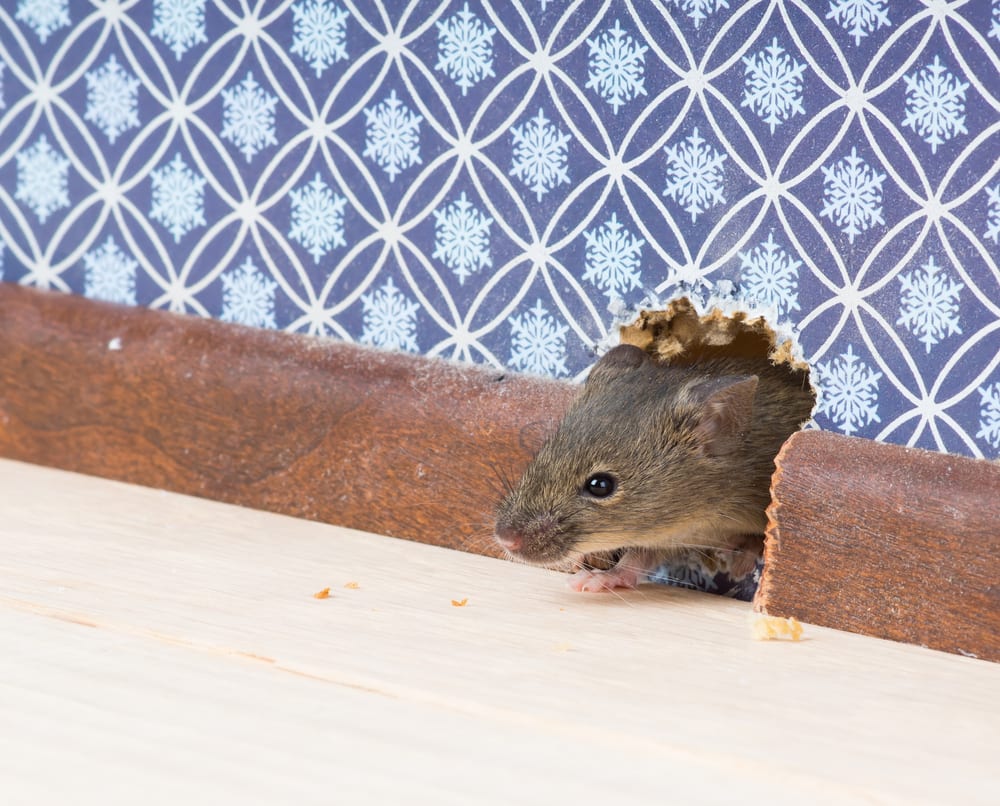
Mouse inside mouse holeScratching, scurrying, and squeaking from behind your walls are telltale signs that you have a mouse problem. Mice often seek shelter in walls because they offer warmth from our harsh weather conditions in New Jersey. Cracks in your home’s foundation, holes in the siding, and gaps around doors and windows can be potential entry points for mice to enter your walls. Once inside, mice are excellent climbers and can scale walls and access other parts of your house as well. Mice can squeeze through spaces as small as a dime, and getting them out can be very difficult without professional help.


In this article, we discuss the issue of mice in walls and how to get rid of mice in walls quickly and effectively.


The Problem with Mice in Walls


Mice entering your walls can cause structural damage and chew through electrical wiring. Mice breed quickly, meaning that just a few mice can become a full-blown infestation before you know it. There is a risk of mice contaminating your food supply and bringing fleas, lice, or other troublesome pests into your home.


Mice often hide during the daytime and come out at night to look for food. When the sun goes down and you go to bed, they become more active and can leave greasy tracks behind as they move. You may also find nests made of soft materials in your walls and fecal droppings around your walls if you have a mouse problem.


Preventing Mice in Walls


Fortunately, there are ways to prevent mice from getting into your walls in the first place with a few easy steps. Keep food sources away from the walls of your home, especially pet food bowls. Ensure food is stored in airtight containers, and avoid leaving fruit and snacks lying on countertops. Sealing any cracks, gaps, or holes in your walls is also helpful to prevent mice from entering them. You can purchase mice deterrent products from a hardware store or use peppermint essential oil combined with water in a spray bottle to spread around a scent that mice hate.

 How to Get Rid of Mice in Walls


An initial DIY approach to having mice in walls is to set traps to kill the mice upon contact. Many people choose lethal traps rather than poison baits so that mice do not die inside the walls and begin to decay, causing noxious odors and increasing your disease risk. Rodenticides can be dangerous to use in a home with children and pets, and some mice are actually resistant to these types of poisons, making them mildly effective at best. Drilling a hole in the drywall near the floor may be necessary to lure mice outside with traps.


Get Professional Extermination Help


However, the best way to get rid of mice in walls is to call the extermination professionals at Precise Termite & Pest Control because of how tricky they are to remove from these areas. Mice infestations in walls are incredibly challenging because DIY attempts often result in creating multiple holes in your walls to get them out. To minimize damage to your home and ease your stress, we offer expert mice control and prompt mice removal services with a 100% satisfaction guarantee.


For your free mice in walls inspection, please contact us online or call us at 866-971-2847.

What Smells Will Keep Mice Away from a House?

A Mouse Peaking His Head Out of A Hole in a WallCertain scents attract mice to indoor spaces, such as sweet fruits, pet food, meat, and greasy food. The reason why people put peanut butter and cheese in mouse baits is because mice love these scents.


But on the other hand, what scents do mice hate, and what smells will keep mice away? Here are some items you can place around your house to deter mice based on their sense of smell.


Vinegar


Many people already have a bottle of vinegar in the house, so this is an easy DIY remedy for mice. Vinegar has a powerful smell, and you can use either white vinegar or apple cider vinegar for this purpose. One idea is to soak cotton balls in vinegar and place them in areas where you think rodents are getting inside. Vinegar can also be used to clean areas that have been affected by rodents.


Citronella


Most people think of mosquitoes with citronella, but some also use it to eliminate mice. The strong smell can be too much for mice to handle, keeping both pests away from your home and property. You can find citronella in the form of sprays, candles, pouches, essential oils, and live plants.


Mothballs


Mothballs prevent moths from eating clothing but may also help keep mice away. The balls contain naphthalene, a substance that mice despise. However, this idea comes with some warnings because studies suggest that naphthalene can also be toxic to humans with excessive or prolonged exposure, causing issues with your lungs and the tissues in your nasal canal.


Cinnamon


Even though you may love the smell of cinnamon in holiday drinks and baked goods, mice don’t feel the same way. The spicy aroma of cinnamon can deter mice while being a pleasant scent for you to have around the house. To use cinnamon as a mouse-deterrent, hide cinnamon sticks under furniture and inside cabinets and drawers.


Mint


Mice are not fans of mint, which is why some people use peppermint oil to keep mice away. Peppermint oil is a heavily concentrated form of the scent, so it may be more effective than just having a live mint plant growing in your home. However, the oil can irritate your skin, so be careful while handling it. Alternatively, you can rub some mint toothpaste along baseboards and around cracks in your home to discourage them from entering.


Chili Powder and Oil


Anyone who has tried spicy food can attest to the fact that chili powder is a lot to handle. For a more concentrated version of this spice, you can also try chili oil around your home to deter mice.


What to Do When Scent-Deterrents Don’t Work


If you have tried a few scent-deterrents to address your mice problem and it’s not working, it’s time to call Precise Termite & Pest Control. We have been keeping Northern New Jersey mice-free for over 30 years and understand the different kinds of mice, the diseases they carry, and the damage they can cause.


Our professional extermination methods go far beyond just adding scents around your home, and we can use a combination of techniques depending on your situation, such as trapping and exclusion. Please get in touch with us at 866-971-2847 for your free mice inspection today!

What to Do About Mice in the Couch

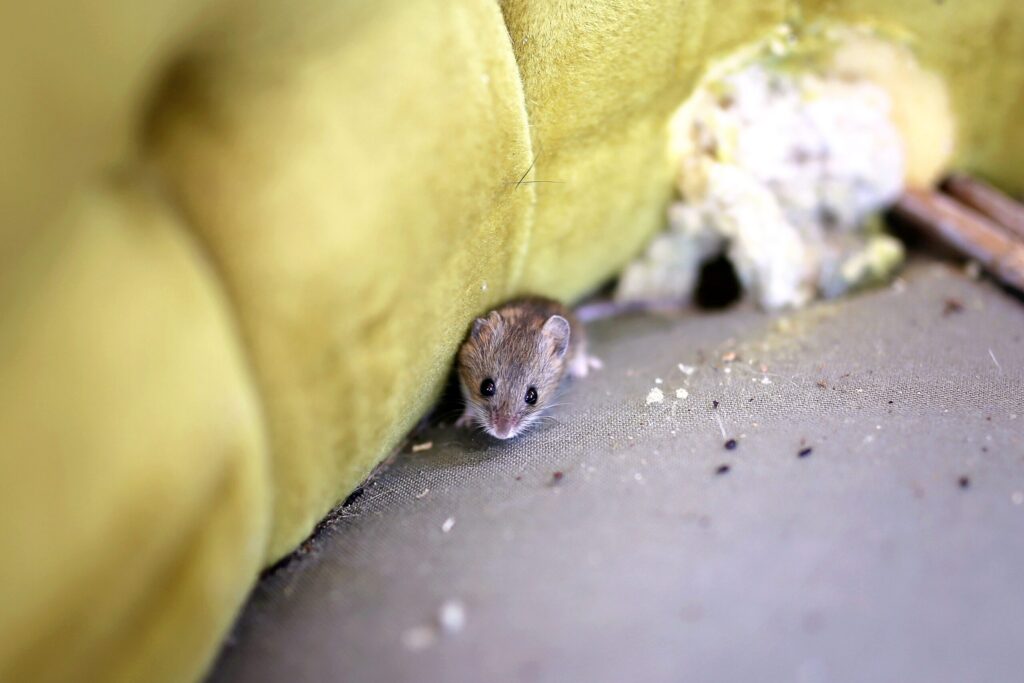
an old tan couchMice are resilient little rodents who seem to be able to live just about anywhere, such as attics, basements, walls, and kitchen pantries. But one place that many people don’t think about mice taking up residence is the couch. There’s something very unsettling about the thought of mice hanging out where you sit to relax and cuddle up with a book or watch TV. But mice in couch problems definitely exist, and we’re here to help when they happen to you.


Can Mice Live in Couches?


The short answer to this question is yes, mice can live in couches and make their homes among the soft cushions here. Some homeowners have taken DIY approaches to rodent control and thought they had a mice issue handled when they stopped seeing them in familiar areas. However, little did they know that the mice had migrated to the couch and started to destroy a valuable piece of furniture that they previously believed to be safe, clean, and comfortable.


Why Mice Like Couches


Couches are attractive places for mice, just like they are among our favorite places to spend time as humans. Couches are filled with soft materials that are cozy and make excellent nesting materials. The inside of couches are hidden away from the outside world and the humans and pets that may disturb them. It’s also a great place for pregnant female mice to have their babies and keep them safe and warm. If you have a habit of snacking on your couch, mice will find those tiny crumbs between the cushions and have their own little feast from your leftovers!


How to Identify a Mice Nest in Couch


One of the most common signs of a mice nest in a couch is mice droppings, which are fecal pellets left behind from these unwanted couch residents. A single mouse can create dozens of droppings per day, which will be noticeable when you rotate your couch cushions or remove them to vacuum your couch.


Other signs of mouse activity in your couch are gnawed portions of fabric, the smell of urine, and bits of stuffing on the floor. If you are quiet, you may even hear squeaking or scratching noises coming from your couch when you are not sitting on it.


We Can Get Rid of Mice in Your Couch


If you have noticed signs of mice in the couch or have any sneaking suspicions that they are living here, don’t live another day in these troublesome conditions. Precise Pest Control is the go-to source for mouse control in Northern New Jersey, and we are in the business of helping people get mice out of their couches for good.


Our professionally trained exterminators know the best ways to remove mice from couches so that you can assess the damage and make the best decision about your furniture. The longer you wait to take action, the more damage mice can cause in a couch. If you catch the problem early, you may be able to have the couch cleaned and repaired so that you don’t have to buy a brand-new couch and put a strain on your budget.


Then, going forward, we can provide you with helpful tips about how to keep mice from getting into your couch in the future, such as promptly cleaning up crumbs, strategically placing mice deterrents, and sealing up gaps and holes in your home.


Contact us today for a free mice inspection and protect the home furniture you love.

Tips for How to Get Rid of Mice in Your Basement

mouse perched on a wooden shelfMice are resilient little rodents who to take up residence nearly anywhere in a home or yard. However, one of the most common places for mice to live in a home is the basement. There are a few different ways that mice get into basements, and this can cause a variety of problems for homeowners.


Fortunately, Precise Termite & Pest Control is here to help get rid of mice in your basement and keep them out of this area of your home.


Why Mice Live in Basements


There are various things that attract mice to basement areas, such as storage boxes and piles of clutter. These are prime places for mice to build nests, so it is best to use plastic storage containers instead of cardboard boxes and to place them away from walls to eliminate hiding spaces. There are lots of excellent hiding places in basements, so keep the area free of clutter to deter mice.


Mice may choose to live in a basement if there is food stored there or exposed insulation lying around to provide an attractive nesting spot. Basements are also preferred by mice because they tend to be dark, cool, and have less human activity than other parts of a home.


How Mice Get Into Basements


Mice often get into basements through holes and cracks that aren’t properly sealed up. Mice only need a tiny amount of space to squeeze through, so you might not even notice miniature gaps around plumbing, wiring, floors, and where the foundation meets the ground.


One of the first steps in mouse control is finding the entry point that mice use to get inside and sealing any openings that exist. Signs that you have mice in the basement are tracks on the floor, gnaw marks, a musky smell, and fecal droppings. Even a single mouse in a basement can be an issue because of the risk of spreading diseases, such as salmonellosis and leptospirosis, through their excrement. Another with mice risk is the spread of parasites, including mites, fleas, and ticks. Mice can also cause a lot of damage in a basement if they chew through electrical wiring and create dangerous fire hazards.


We Can Help Get Rid of Mice in Basements


At Precise Termite & Pest Control, we regularly help New Jersey residents get rid of mice in their basements by determining how they are accessing the space and by deploying various rodent control tactics based on the situation. Our extermination professionals know the safest and most effective ways to deal with basement mice.


To prevent mice from coming back into your basement, we will develop a strategy with you that may include removing food sources in the basement, sealing up trash, fixing water leaks, and sealing the home’s foundation. It may also help to put weather stripping around the basement door to prevent mice in the basement from traveling to other parts of the house as well.


We offer same-day service for customers in Bergen, Passaic, Morris, Essex, and Sussex counties to get your mice problem resolved right away. Contact us at 866-971-2847 for more information about how we get rid of mice in basements and for a free inspection of your basement and other areas of your home.