All About Ants: Common Ant Habitats, Lifespan, and Control Tips

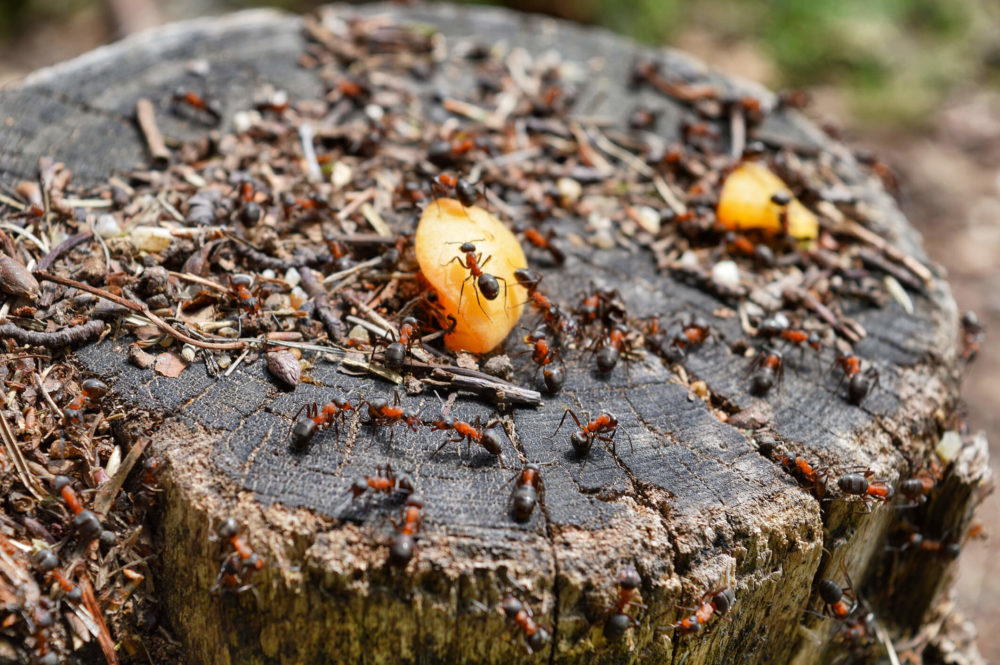
ants on a tree stumpIt has been estimated that there are around one quadrillion ants living on our planet today, and there are over 12,000 different ant species here as well. Ants live in diverse habitats all over the world, and Northern New Jersey is certainly no exception.

Here are answers to some of the most commonly asked questions about ants to help you better understand these insects and what to do if they start invading your home or yard.

Where Do Ants Live?

Ants are a resilient type of insect and can live nearly anywhere – both outside and inside. Ants are often found living in trees, cracks in the sidewalks, and in kitchens with open containers of food. Kitchen counters, bathroom sinks, behind baseboards, and inside walls are all common ant habitats inside a home. Ants can eat a wide variety of foods and thrive on food scraps left behind, dead animals or insects, and trash.

One particularly troublesome type of ant that we encounter in our area is the fire ant. These ants build large mounds near rotting logs and tree stumps. You’ll often find these ants underneath your home, shed, and other structures on your property.

How Long Do Ants Live?

Different ant species live for different lengths of time. An ant’s location, access to food and shelter, and role in the ant colony also impact how long an ant lives. This is pretty fascinating because it means that ants can live anywhere from a few days to even a few decades!

Male ants generally have the shortest lifespans and only live a few days after mating. Worker ants are nonreproductive female ants that maintain the ant colony and typically live up to a few months. Queen ants can live for several years or even longer under the right conditions.

Those fire ants we mentioned earlier often live for a little over a month. If an ant of any kind has access to food and water, it will live longer and thrive in the environment. Ants that live in warm climates remain active throughout the year, while cool-weather ants can become dormant during the winter to survive the harsh conditions.

Ant Control in New Jersey

We hope this helps satisfy your curiosity about the common questions of “Where do ants live?” and “How long do ants live?” Ants are certainly interesting to learn about, but they aren’t something that you want to deal with on your property or especially inside your home. Precise Termite & Pest Control offers the best ant control and removal services in Northern New Jersey to help you identify, address, and exterminate an ant problem right away.

Ant removal is very tricky, and a DIY approach rarely gets the job done right or for the long-term. Call our team of ant control specialists at the first signs of ant activity or unexplained insect damage and we’ll be happy to come out for a free inspection. Fortunately, ant issues are easily controllable with the right tools and expertise, so don’t delay getting in touch with us online or by phone at 866-971-2847.
Do Termites Bite or Pose Other Dangers to Humans?

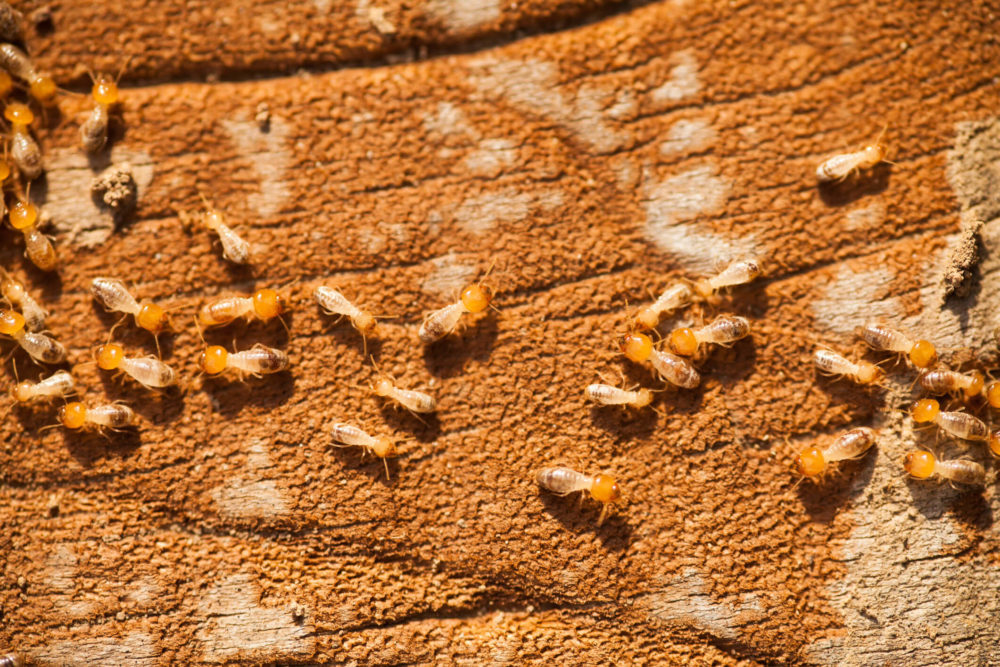
dozens of termites on woodTermites outnumber humans at a ten-to-one ratio and affect homeowners all around the world. Yet people still have many questions about these troublesome pests, such as “Do termites bite?” and “Are termites dangerous?”

In this article, we’ll answer these common questions about termites and also address the most effective ways to prevent and eliminate them from your property.

Do Termites Bite?  

Although termites are notorious for biting through wood, they very rarely ever bite humans. Certain types of termites, such as soldier termites, are able to bite, but even these termites have very small jaws and wouldn’t likely leave a mark on your skin. But to avoid potential bites, never touch termites with your bare hands. However, termites are known to bite other insects in addition to wood.

Are Termites Dangerous to Humans?

Termites are not a direct threat to humans because unlike some pests, they do not commonly transmit diseases, bite, or sting. However, it is still very concerning to have termites on your property because of the damage they cause.

Termites cause a unique type of damage compared to carpenter ants because they consume wood and leave behind destroyed floors, walls, and ceilings. With weakened wood, homes are more susceptible to collapsing and potentially harming humans in this way.

How to Prevent Termites

To reduce your home’s chances of attracting termites, create a barrier to stand between the wood around your foundation and soil on the ground. Only concrete should touch the soil, if possible. Ensure that plants aren’t growing too close to your foundation, and also make sure that storm drains empty out away from the foundation and not right next to it.

Termites love damp areas, so you can also help prevent them by fixing leaks in outside faucets that are attached to the house. It’s also a smart idea to schedule a yearly termite inspection with your local pest control company to make sure that termites aren’t hiding where you can’t see them.

Other Things to Know About Termites

There are different types of termites, and each one affects your home in a unique way. For example, subterranean termites live in colonies ad leave dark-colored blisters in wood flooring. Drywood termites often damage walls, poles, and furniture in a home. Dampwood termites love moist environments, as their name suggests. Meanwhile, Formosan termites target structural components of homes and are often found when doing renovations.

How to Get Rid of Termites

No matter what type of termites you have and even though they don’t pose direct risks to human health, it is important to rid your home of termites at the first signs of these pests. Your best bet in New Jersey is to call Precise Termite & Pest Control for a free inspection as soon as you notice damage in wooden structures.

Call us today at 866-972-2847 for our professional extermination services and prevention assistance to keep them away from your home for good.

Where Carpenter Bees Nest and How to Get Rid of Carpenter Bees Nests

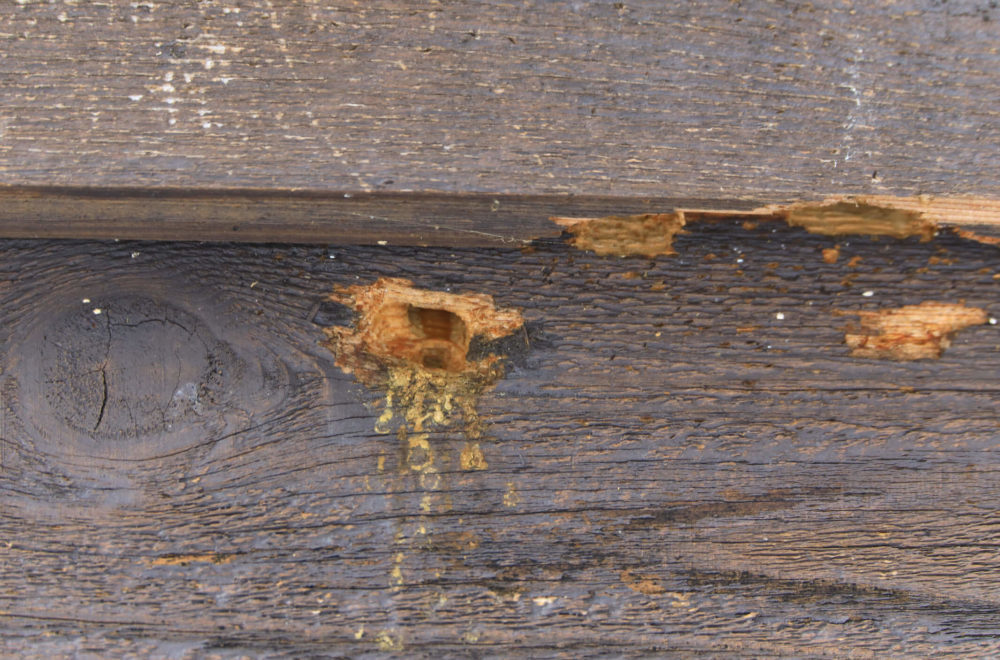
carpenter bee hole nest in wood

There are thousands of species that exist in our world, including carpenter bees that are common in New Jersey. Carpenter bees have unique nesting habits and can cause significant damage to your home if an infestation is not promptly addressed.

Here is some information about carpenter bees’ nests and what you can do to prevent and get rid of them around your yard.

Common Places for Carpenter Bees’ Nests

As their name suggests, carpenter bees nest in wood to store pollen and survive the winter season. House frames and eaves are common places for carpenter bee nests, especially if these areas have bare wood rather than stained wood. Outdoor patio furniture made of wood, rafters, decks, and siding are also common places for carpenter bees to nest.

Nesting and Mating Habits of Carpenter Bees

Carpenter bees are unique in that they are solitary insects and do not live in colonies like other types of bees. These bees find mates when they emerge into the spring season and then burrow into wooden structures to create nests for females to lay their eggs. Meanwhile, the male carpenter bees guard the nests to protect the females and offspring from predators. Once the offspring is born, the parent carpenter bees will often die naturally in in these nests.

Damage Caused by Carpenter Bees Nest in Wood

Carpenter bees cause damage similar to termites because of their wood-boring nature. This is problematic because wood that has been compromised by a carpenter bee nest is prone to moisture damage and decay over time. This can make the structure of your home less secure and result in costly home repairs in the future. Holes in wood caused by carpenter bees can also attract woodpeckers and fungi growth.

How to Prevent and Get Rid of a Carpenter Bees Nest

To prevent carpenter bee infestations, inspect your home on a regular basis for holes and cracks. Seal up any gaps you find, and also make a point to repair screens on windows and doors that have tears in them.

When it comes to carpenter bee removal, it is best to trust trained professionals who know how to handle these troublesome pests. Precise Termite and Pest Control has been keeping Northern New Jersey pest-free for over 30 years and is offering 10 percent off new annual contracts for pest control services.

At the first sign of unusual bee activity or wood damage around your home, call us at 866-971-2847 and we’ll send an expert exterminator out for a free inspection.

Why Gutter Cleaning is Important and How to Do It Right

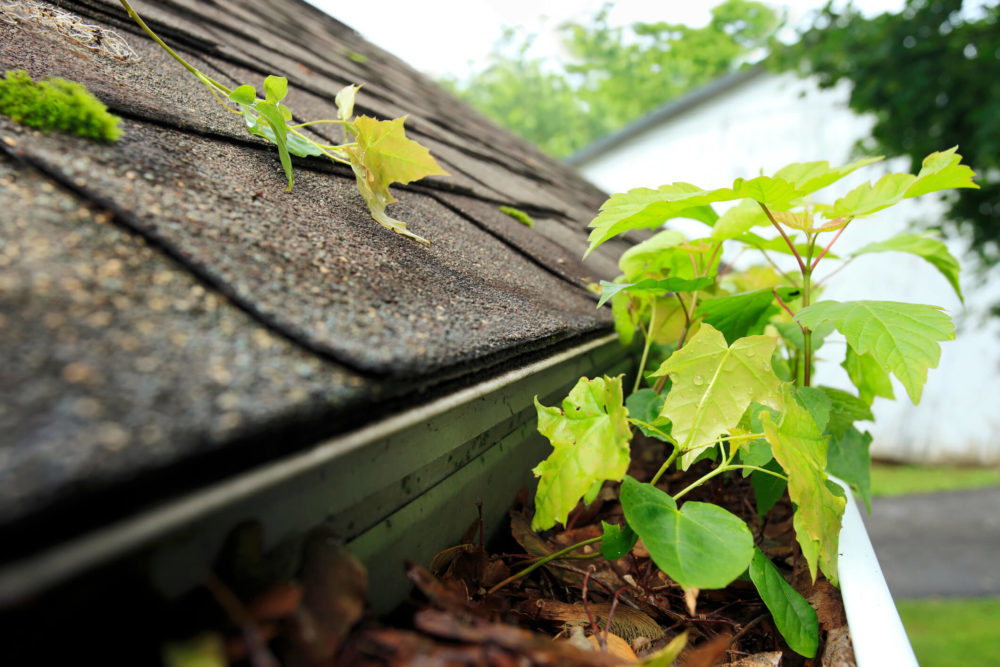
dirt and weeds in a gutter

As part of routine house maintenance, it is recommended that you clean out the gutters of your house every spring and fall. Yet often out of sight and out of mind, many homeowners neglect gutter cleaning or simply don’t think about it each year.

Here is an overview of why gutter cleaning is important and where to get professional help for your gutter cleaning needs.

The Importance of Gutter Cleaning

Clean gutters do much more than just give your home a greater aesthetic appeal. In fact, there are many reasons to keep your gutters clean, including preventing water damage, protecting your roof, and keeping pests away that can cause infestations and damage. When discussing the importance of gutter cleaning, it is also worth mentioning that clean gutters reduce the risk of a cracked foundation and save you money by avoiding costly repairs in the future.

Damage Caused by Unclean Gutters

If you do not clean out your gutters at least once or twice per year, you run the risk of damaging your roof, foundation, and other parts of your home. You might have a leaky roof due to sticks and other types of debris in the gutters or accidently create perfect nesting habitats for rodents, bees, and other pests. This could cost you hundreds or thousands of dollars to repair if the gutters aren’t cleaned out in a timely way.

Precise Termite and Pest Control for Your Gutter Cleaning Needs

Although you can certainly clean your home’s gutters yourself as a DIY project throughout the year, it is best to have them professionally cleaned at least annually. An expert cleaner can access those hard-to-reach spots and focus on often-missed areas, such as downspouts that make it difficult for rainwater to pass through.

If you live in an area with many trees that shed leaves and twigs, you may need to clean your gutters more frequently than a homeowner with a barer yard. Amateur gutter cleaning can be dangerous and result in falls off of ladders and hospital emergency room visits, so make sure to weigh the pros and cons of doing this tedious task yourself versus calling for help.

At Precise Pest Control, we do much more than just exterminate pests and provide preventative pest services. Our versatile team of professionals also offer gutter cleaning services to help you preserve the value of your home and keep its structural integrity in top condition. We have all the tools and professional equipment required for a thorough gutter cleaning, as well as the expertise to advise you about where potential gutter problems could arise in the future.

For a free gutter inspection, call us at 866-971-2847 or fill out our online contact form.

How Bird Nest Removal Works and Why It’s Important

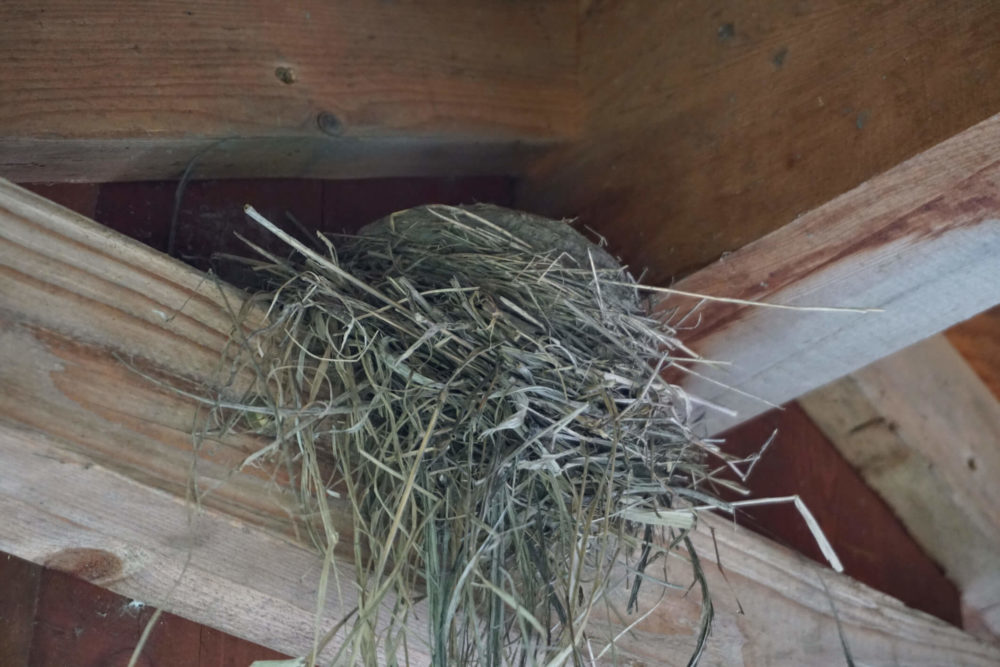
bird nest resting in a wooden houseBirds can be beautiful and beneficial creatures with soothing songs, colorful features, and fascinating habits. You might be initially pleased to see a bird nest in your backyard because it means birds will continue coming back to your area day after day. But bird nests also create damage and disease concerns, ultimately requiring removal.

That’s why we at Precise Termite and Pest Control offer bird control services to help you manage nuisance birds and enjoy every part of your home’s backyard.

Birds That Create Backyard Nests

There are many different birds that create nests in the Eastern U.S., including the American Goldfinch, American Kestrel, Barn Swallow, Brown Thrasher, and Eastern Bluebird. Birds make nests to provide safe places for their eggs and to raise their young. Nests provide habitats to lay, incubate, and care for eggs. These nests are commonly made of leaves, grass, and mud. However, plastics and paper that you leave out in your backyard can also be used as bird nesting materials.

Other Common Nest Locations

In addition to backyards, birds also build nests on balconies, awnings, and building overhangs. Nooks of houses are popular bird nesting spots because they provide shelter from the elements of nature. Depending on the type of bird, you might find nests high up in trees, along steep cliffs, in shallow water, or even in underground burrows.

Dangers of Bird Nests

Certain birds are classified as pests because of the damage and diseases they cause, such as starlings, sparrows, swallows, and pigeons. If pest birds build nests in your backyard, chances are that you will have an even bigger pest problem soon when the eggs in those nests hatch and become fully grown birds.

Nests can clog the pipes and gutters of your home, which interferes with drainage and can cause structural damage over time. Bird nests can also be harboring places for diseases, such as E. coli and salmonellosis. If you are not sure what type of bird has built a nest on your property, it is recommended to have it checked by a professional to see if bird nest removal is your best option.

How to Remove a Birds Nest

Because birds are unpredictable and can carry diseases, it is best to leave bird nest removal to the professionals. At Precise Termite and Pest Control, we offer free consultations to come out and check your nest situation and give you our recommendations about how to proceed. We will safely and humanely remove your nuisance bird nest to help you prevent damage to your home and the spread of disease.

If you are located in Bergen County or Passaic County and have a bird nest concern, please call us at 866-971-2847 or fill out our online contact form.

How to Remove Mice from Garage and When to Call a Professional for Garage Mice Removal

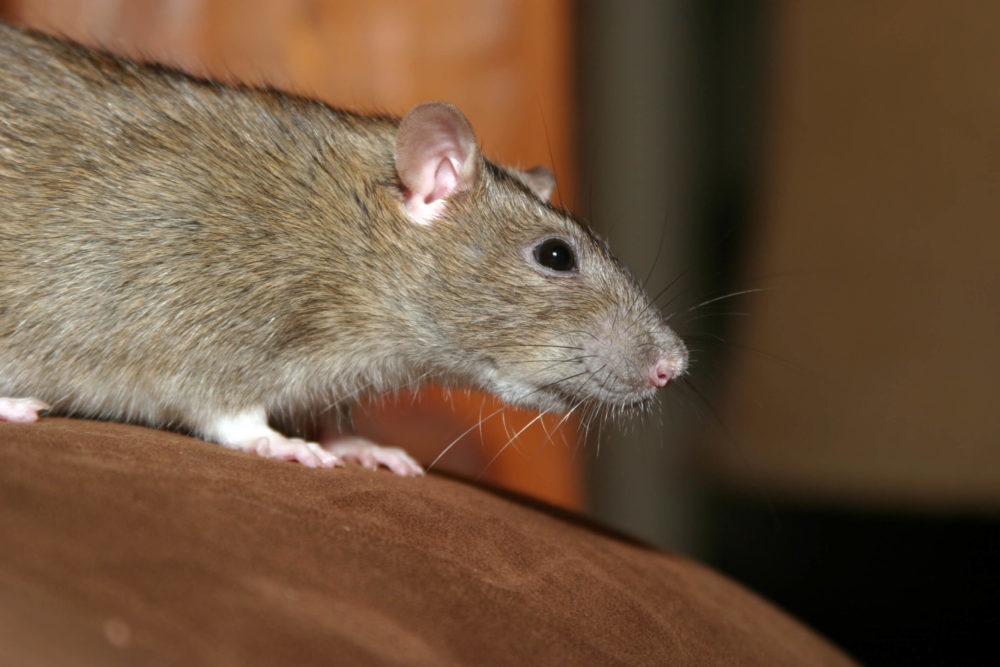
mouse on a brown surfaceEspecially when our weather turns cold and snowy here in New Jersey, mice love to migrate from the outdoors to inside our homes. However, it’s not just houses that are susceptible to mice problems because garages are particularly attractive to mice as well.

Here are some expert tips for how to remove mice from a garage and when it’s time to call a professional for help with this type of mice infestation.

Signs of Mice in Your Garage

Signs that you may have mice in your garage include seeing mice fecal droppings, especially in corners and under workbenches and cabinets where mice like to hide. You may also smell the musky odor of mice urine in your garage and notice gnawed holes that are about the size of a dime.

A pest control expert is able to tell the difference between mice and rats based on a rodent’s size and appearance. Mice are smaller, have large floppy ears, and leave between 40 and 100 droppings per day. On the other hand, rats are larger, weigh about twice as much as mice, produce fewer droppings per day, and often leave grease marks on surfaces they touch.

What Is Considered to Be an Infestation?

If your mice problem seems minor at first, you might wonder if the number of mice you have in your garage is really a big deal or would even be considered an infestation. If only one or two mice have entered your garage, this isn’t necessarily called an infestation, but a small mice problem can quickly escalate into a large one.

Mice often build nests in garages to give birth and take care of their babies. Keep in mind that mice typically have about five to 12 babies per litter. Mice also begin breeding as young as eight weeks old, so you could quickly have an infestation on your hands if you don’t address the signs of mice in your garage as early as possible.

Preventing Mice in Your Garage

Many homeowners are quick to set mousetraps all around their garage and hope they deter mice from taking up residence here. However, this is not an effective preventative strategy because mice will continue to come back despite the traps, causing damage and leaving their diseased droppings behind.

Instead, focus your attention on potential access points in your garage to determine where mice are coming in from and seal up those places properly. Also, don’t leave food or trash in your garage that could attract mice and keep them coming back for more sustenance during the winter.

When to Call a Pest Control Company for a Mice Problem

Since mice can reproduce and create an infestation situation so quickly, it is recommended to call your local pest control company at the first signs of mouse presence in your garage. We will perform a free inspection of your garage and surrounding areas to identify problem areas and come up with a solution to get rid of your mice and keep them away.

Precise Termite & Pest Control is just a phone call away, so contact us at 866-971-2847 for a mice-free garage.

How to Prevent a Carpenter Bee Infestation at Your Home

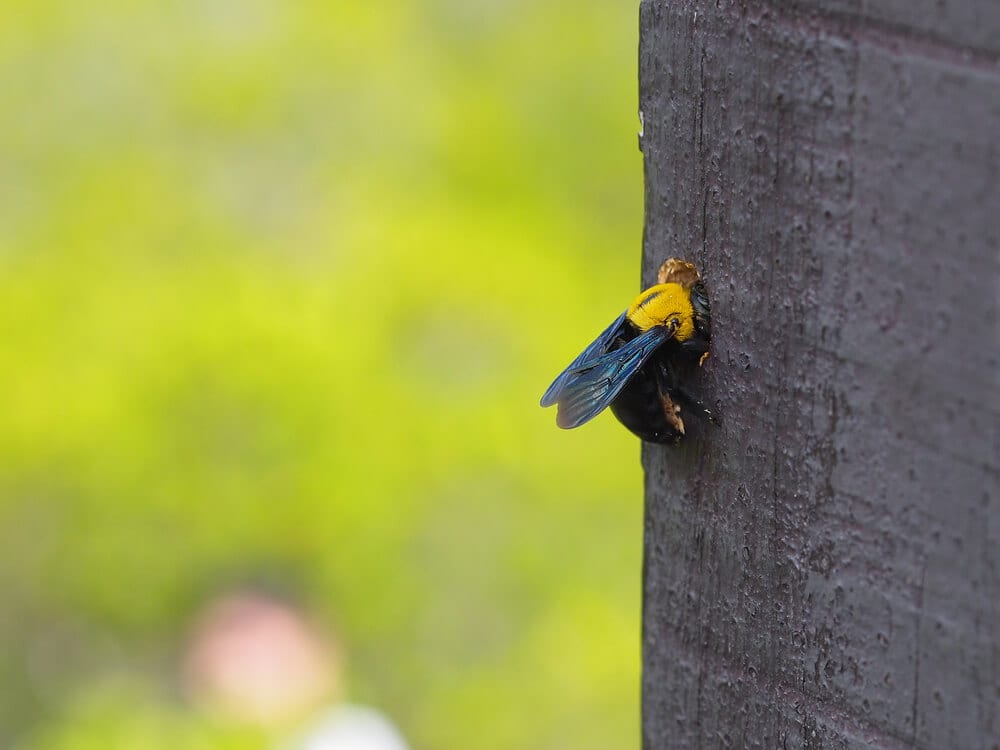
carpenter bee carving into woodCarpenter bees are unlike other types of common bees in that they bore into wood and are not social insects. Instead, these bees build their nests individually and can cause damage to the structure of your home.

To help you prevent a carpenter bee infestation, here are some details about these insects, where to find their nests, and who to call for extermination assistance.

Where Carpenter Bees Make Nest

Carpenter bees love to build their nests outside in trees or in the eaves or frames of houses.  The bees do not live in these nests but rather just use nests to store pollen here for when the weather turns cold.

You may notice smooth and round holes bore into the wood of your home if you have a carpenter bee infestation. The bees prefer bare wood to stained wood. Places to check around your home for carpenter bees are eaves, boards, siding, rafters, decks, and outdoor wood furniture.

Damage Caused by Carpenter Beers

Although carpenter bees are wood-boring insects, they typically don’t cause as much damage as termites. However, they are still a big nuisance to homeowners because they cause wood structures to retain moisture and become prone to rot and decay.

After these bees create tunnels in the wood, woodpeckers are known to become attracted to these new holes and create further pest damage. Only female carpenter bees are capable of causing painful bee stings because males have no stinging capability; however, it is recommended to steer clear of all stinging insects.

Preventing a Carpenter Bee Infestation

The best way to prevent a carpenter bee infestation is to inspect your home regularly for strange holes and seal up cracks and crevices that you notice. Use a silicon caulk to seal up any holes and repair screen tears in windows and doors too.

Insecticides can deter carpenter bees from expanding their wood tunnels. After using insecticide, seal up the hole so that the bees can no longer access the tunnel. Carpenter bee traps may also be used by experienced professionals to curb a household bee problem.

Carpenter Bee Infestation House Help

At the first signs of holes or tunnels in the wood of your home, contact Precise Termite and Pest Control for a free inspection to assess the extent of your carpenter bee infestation house issue.

We specialize in all types of New Jersey bee removal and have the knowledge and experience to safely and humanely remove bees from your home so that your home and family are no longer at risk. A carpenter bee problem will only get worse if you ignore it, so don’t delay calling us at 866-971-2847.

House Plant Bugs Identification & How to Get Rid of Them

Houseplants bring life and color inside our homes, but something else they can bring is unwanted pests. Certain types of insects thrive on indoor conditions and the nutrients that houseplants provide, putting your beautiful leaves and flowers at risk. For purposes of house plant bugs identification, here are the most common types of indoor plant bugs and how to rid your home of them.

Spider Mites

Spider mites are common in New Jersey and a type of arachnid that are very tiny and often go unnoticed to the human eye. They eat plant matter to survive and may leave tiny spots or tight webs behind under the leaves. These pests usually live in colonies under leaves, which will turn yellow and fall off after being feasted on by spider mites.

Aphids

Aphids are among the most common indoor plant bugs, which are about 1/8-inch long, have pear-shaped bodies and secrete a sticky fluid as they feed on plants. Most aphids don’t have wings, but they do have two antennae on their heads and cornicles projecting from their backsides. Plant leaves affected by aphids will develop a black mold growth because of this fluid, which is called honeydew.

Scale Insects

Scale insects are common on houseplants, as well as on outdoor trees and shrubs. Some have a hard shell that serves as protection, while others are categorized as soft and release a waxy substance. These indoor plant bugs range from ½ inch to 1/8-inch long and cause plant leaves to turn yellow and die.

Whitefly

Whiteflies are commonly found around plants in homes and greenhouses, and these pests eat sap from the undersides of leaves. They look like moths, are about 1/16-inch long, and have white wings that are easy to recognize. Whiteflies are particularly fond of poinsettias, tomato plants, and citrus plants.

Getting Rid of Tiny Bugs in Soil of Houseplants

Many homeowners start with DIY solutions and natural remedies when they notice indoor plant bugs, and some of these strategies are quite effective. For example, you can spray a mixture of an ounce organic neem oil with a gallon of water on houseplants to control houseplant bugs. Other methods involve wiping infested leaves with a mixture of dishwashing soap with water and also using a cotton swab dipped in rubbing alcohol to spot-treat portions of leaves that have been affected by pests.

If these DIY approaches don’t work, then it may be time to call in the professionals to save your houseplants and prevent them from moving elsewhere in your home. Precise Pest Control has been keeping New Jersey pest-free for over 25 years and specializes in the types of indoor plant bugs that affect our region. If you suspect pests eating your houseplants, contact us today for a free inspection.

Termite Poop: The Dangers, What It Looks Like, and What to do About It

Pests can be difficult to see and track with the naked eye, but they often leave droppings behind that make their presence very obvious in a home. One such pest is the termite, an insect that eats wood and is known to destroy walls and furniture. But the droppings that termites leave behind can put your health at risk if not properly controlled by a professional.

Here is some information about termite poop and answers to common questions like “Is termite poop dangerous?”

What Does Termite Poop Look Like?

Although the droppings of a termite can vary from one species to the next, it is most commonly oval-shaped, has concave sides, and rounded ends. It may look like tiny pellets of salt and pepper, but overall, it is typically the color of the wood. It is best to have a professional exterminator help you identify what the droppings are to correctly diagnose the problem and then pursue the best solution for that type of pest.

Is Termite Poop Dangerous?

To answer the question is termite poop dangerous, research shows that termite poop is not necessarily toxic to humans. However, there are still health risks of exposure to termite poop, including skin irritations, allergic reactions, and asthma attacks. Unlike some pests, such as rats and mice, termite poop is not associated with a great risk of spreading communicable diseases. But it could make you feel sick if the termite poop enters food or water sources in your home.

Why Is Termite Poop Harmful?

In addition to these potential health risks, termite poop is harmful because it is a telltale sign that costly property damage is on the horizon. Termites are sneaky pests that often go unnoticed, but you can be more proactive about termite removal if you take action as soon as you notice termite poop.

Termite poop on a bed often means there is a termite infestation in the ceiling or roof. Termite poop on a window sill commonly means there are nests and mud tunnels nearby. If you see termite poop on the carpet or floor of your home, termites likely live in or under the floor, causing an effect that may resemble water damage.

What to Do If You Discover Termite Poop

At Precise Pest Control, we offer full-service termite inspections and removal in homes and businesses throughout northern New Jersey. Termites are our top specialty, and by calling us at the first signs of termite poop, you can save yourself thousands of dollars of property damage and reduce your risk of health problems. We look forward to helping you identify and solve termite problems in your home so that you can rest easy and save money in the long-run.

5 Food Storage Tips for a Pest-Free Pantry

Pests often take up residence around the yard and in the attic in basement, but they can also infiltrate your kitchen and compromise the safety of your food supply. Various types of pests, including ants, moths, rodents, and beetles, love to take up residence in the pantry and feast upon your supply of groceries. To reduce your risk of food contamination and prevent the dreaded task of throwing away everything in your cupboards, here are five food storage tips for a pest-free pantry.

1. Clean Up Spills Right Away

Spills and crumbs are magnets for pests, so make sure to clean up any messes as soon as they happen. A simple wipe with soap and water should do the trick and keep pests away from your shelves.

2. Store Food in Air-Tight Containers  

Proper storage goes a long way in keeping your pantry free of pests. Make sure to use high-quality, airtight containers to seal all types of food in your pantry, such as Tupperware containers or glass Mason jars. Not only are these types of containers great for deterring pests, but they can also help keep your pantry more organized.

3. Inspect Grocery Bags After Shopping

Oftentimes, pests enter pantries from the outside world, and grocery stores are not immune to pest problems. While you’re in the supermarket, check food packaging to ensure that it hasn’t been compromised by pests. Then when you get home, inspect your grocery bags to make sure that pests didn’t hitch a ride back to your house.

4. Check Food Expiration Dates

Pests are likely to be drawn to rotting food that is going bad in your pantry. For your own health and also to deter pests, keep close tabs on the expiration dates of foods in your pantry. Toss any items that have expired or that have developed a bad odor into the trash immediately.

5. Try Bay Leaves in the Pantry

One creative way to help keep pantry pests at bay is to place bay leaves in your pantry. For example, you can tape dried, whole bay leaves to the bottoms and sides of your shelves to deter grain moths. Another suggestion is to add a bay leaf or two into dry goods containers that contain flour, sugar, and rice. This is a tried-and-true DIY method for repelling insects like ants, flies, and cockroaches because they detest the fragrance of this herb.

Precise Pest Control doesn’t just exterminate pests; we help homeowners like you prevent them too. We are experts in the types of pests that invade pantries in Northern New Jersey, and we want to keep your food supply safe and pest-free at all times. Give us a call at 866-971-2847 or fill out our online form for a free inspection and for more helpful tips like these.