
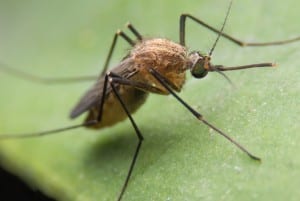
When you understand how mosquitoes behave and the risks they present, you can be proactive about protecting your home and family from these dangerous, nuisance pests.
At Precise Termite & Pest Control, we believe that knowing mosquito facts is the first step toward effective, long-term protection. As your local pest control provider for over 35 years, we’re committed to keeping you safe from mosquito activity and reducing your risks throughout the year.
Understanding Mosquito Behavior
In New Jersey, mosquitoes usually become active in the early spring as temperatures rise above 50 degrees. Their activity peaks during the warm, humid months of summer and continues through the early fall.
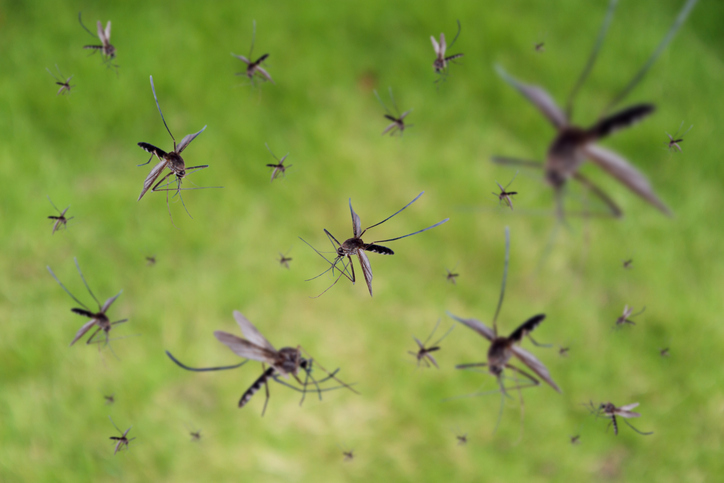
Mosquitos are most active at dawn and dusk. However, mosquitoes also bite humans during the day, especially in wooded and shaded areas. They’re attracted to body heat, certain body odors, and the carbon dioxide that we exhale.
Mosquito Facts You Should Know
Here are some important mosquito facts that every New Jersey homeowner should know:
- Mosquitoes can lay hundreds of eggs at a time
- Mosquito eggs can hatch in standing water in just 24 to 48 hours
- Mosquitoes only need about a bottle cap’s worth of water to breed
- Only female mosquitoes bite (they need blood to produce eggs)
- Mosquitoes rest in tall grass and shaded brush during the day
The Risks of Mosquito Diseases
Mosquitoes are known carriers of several serious illnesses. Although not every mosquito carries a disease, it’s impossible to know if the one you’ve been bitten by carries one until symptoms arise.
In New Jersey and throughout the U.S., one of the most common mosquito-borne diseases is West Nile virus, which causes fever, body aches, and neurological complications. Eastern Equine Encephalitis is a rare mosquito-borne disease that can cause brain inflammation and death.
Although the Zika virus is more common in tropical regions, this mosquito-transmitted disease is especially concerning for pregnant women due to the risk of birth defects. Dengue and Chikungunya are viral infections and mosquito-borne diseases that are more common in other parts of the world but can affect you during travel.
How to Reduce Mosquito Activity at Home
To reduce your disease risks and stay comfortable in your own backyard, especially during the peak summer season, effective mosquito control is essential.
One important step is eliminating standing water around your yard, as this is where mosquitoes breed. Also, maintain your landscaping by regularly trimming grass and shrubs and removing yard debris.
To protect yourself from mosquito-borne diseases, wear EPA-approved mosquito repellents when spending time outside. Also, wear light-colored long sleeves and pants, and avoid being outside at dawn and dusk, if possible.
While all of these DIY steps will help you prevent mosquito-transmitted diseases, professional mosquito control offers a stronger defense. At Precise, our treatments are proven to reduce mosquito populations and interrupt breeding cycles to lower your risk of mosquito-borne diseases in New Jersey.
Contact Precise for Effective Mosquito Control
Across northern New Jersey, Precise is your local source of mosquito expertise and protection. Our targeted mosquito control services reduce active mosquito populations, identify and treat breeding areas, and provide seasonal protection for your home.
By understanding these mosquito facts, you’ll be better prepared to reduce your exposure to mosquito-transmitted diseases. Please contact us online or call us at 866-971-2847 for your free mosquito inspection and to enlist our help in developing a customized mosquito plan tailored to your New Jersey property.