How to Prevent Winter Weather Damage Welcoming Pests into Your Home

Winter storms are notorious for wreaking havoc on homes and businesses in New Jersey, and this year is not expected to be any exception. Not only can storms cause damage to your home and property, but that damage can also create a welcoming environment to rodents and insects looking for a warm place to live.

Here are some tips for homeowners to prevent damage before winter storms strike and keep pests out of the home and yard.

Continue reading

Differences Between Mice and Rats and Pest Control Solutions for Both

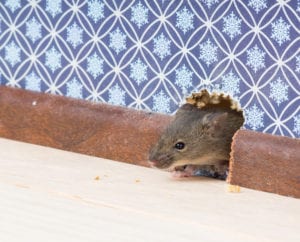
A Mouse Peaking His Head Out of A Hole in a Wall

Mice and rats may look alike, but they are actually distinct types of rodents that have genetic, growth, and anatomical differences. Homeowners and business owners certainly don’t want either type of rodent in their spaces, which is why mice control New Jersey is so important to local families and companies.

Here we take a closer look at the differences between mice and rats and effective pest management strategies for each type of rodent.

Continue reading

Breaking Out Holiday Decorations Could Allow Pests Into Your Home

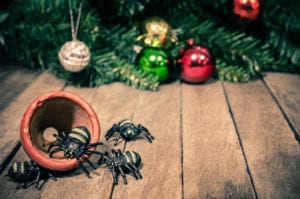
Christmas and Halloween Decorations on the Floor

There’s a chill in the air, vibrant colors in the leaves, and the sun is setting a little earlier every day. These are all sure signs that winter and the holiday season are coming, and with holiday decorations also comes winter pests. In this article, we discuss winter pests that are common in New Jersey and how to be prepared with Bergen County animal control.

Continue reading

How to Identify and Remove Carpenter Ants

Prevent Carpenter Ant Damage to Your House

Carpenter ants aren’t just a nuisance; they can cause serious damage to your home and cost you an extraordinary amount of money. Here’s what you need to know about these pests and where to find effective carpenter ant removal NJ.

Basics of Carpenter Ants

These are one of the most common ants in the U.S. and have large populations in New Jersey. Carpenter ants are typically between ¼ inch to 3/8 inch in length, and although most are black, some can be reddish or yellowish in color. These ants live in colonies with an egg-laying female, males with short life spans, and sterile female worker ants. One of the telltale signs of a carpenter ant problem is the “sawdust” left behind, which may lead to their nest.

Continue reading

5 Tips to Prepare for Fall Pests Before It’s Too Late

Defend your house against pests

Although it’s still August and technically summer, it’s never too early to start preparing for the next season of insects, rodents, and pests if you’re a homeowner. Fortunately, pest services Passaic County and in Bergen County are available, affordable, and convenient at any time of year.

Here are some tips for preventing fall pests common to our area from entering your home.

Continue reading

Understanding the Different Types of Termites & How They Affect You


Termites of all kinds are a costly nuisance and a major headache for homeowners around the country. These are some of the most common types of termites and how they could affect your life if they decide to take up residence in your home.

Subterranean Termites

One very common type of termite is the subterranean termite. These termites are social insects that live in colonies and the most common type found in American homes. Often the first signs of subterranean termite damage are dark-colored blisters in wood flooring.

This variety of white ants is known to damage the structure of your home, and in severe cases, you may need to move out until repairs are complete. It’s easy to overlook subterranean termite damage because this type of termite typically only eats spring wood and leaves the exterior surface alone.

Drywood Termites

Drywood termites are most common along coastal areas and in the south and southwest parts of the country. This is another type of white ant that can go undetected for a long time.

Drywood termites are notorious for damaging the walls in your home, as well as poles and furniture. This type of termite infestation often requires homeowners to remove all furniture from the affected area until the termites have been eliminated. This is a major inconvenience for many homeowners, especially when they are forced to find and pay for temporary storage space for an indefinite amount of time.

Dampwood Termites

The Pacific Coast is typically home to the most dampwood termites, but this insect can live anywhere with damp and decaying wood. These termites love moist environments and typically set up new nests throughout the spring and summer.

Homeowners may notice fecal pellets around the house when they have a dampwood termite infestation. Moisture control is essential to eliminating these termites, which means that homeowners need to promptly address roof leaks, plumbing problems, and rainwater drainage to prevent infestations.

Formosan Termites

Formosan termites love warm climates and although most popular in the American South, small populations have been encountered up to the Canadian border. The three forms of these termites are the winged or wingless reproductive termites, the workers, and the protector soldiers.

They live in the soil and invade wood structures that come in direct or close contact with the dirt. It is very common for homeowners to find these termites while doing home renovations. They target walls and other structural components of homes, which causes the structure to sag and need further repairs.

Termite Removal in New Jersey

Regardless of which type of termite is terrorizing your home, the professional exterminators at Precise Pest Control are your local experts in the pests plaguing New Jersey. We have the knowledge and expertise to handle all types of termite infestations and even help you prevent future damage.

Call us today at 866-971-2847 for a free inspection and avoid unnecessary property damage that will take its toll on your wallet and inconvenience your daily life.

How Has the Pest Control Industry Evolved Throughout History?

Throughout human history, pests have been a nuisance, but how we handle that nuisance has changed greatly over time. Let’s take a look at how pest control originated and how it has evolved into the industry it is today.

Pest Management in Ancient Times

The pest control industry dates back to the beginnings of the agricultural industry, as humans have always needed to keep undesirable insects and animals away from human food supplies.

Around 2,500 B.C., ancient Sumerians used compounds of sulfur to control insects, and ancient Egyptians and Chinese farmers used oils and herbs for this purpose. Through research and trial and error, civilizations experimented with using citrus, tobacco infusions, soap, chlorinated hydrocarbons, organophosphates and other substances as pesticides.

Rat Catchers and the Plague of Europe

The need for pest management became very evident during the Black Plague in Europe during the 14th century. This is a time when nearly one-third of the continent’s population died under mysterious circumstances, later determined to be due to a bacterial disease that was spread by fleas that fed off of diseased rats. If only rodents and fleas were controlled during that time, many people would not have lost their lives to what we now refer to as bubonic plague.

To curb the risk of spreading the disease and preventing damage to food supplies, a new profession emerged: the rat catcher. Dangerously, rat catchers often trapped rats by hand. Perhaps you recall the folklore story of the Pied Piper of Hamelin, a legendary rat catcher who lured rats away from town with a magic pipe and later retaliated against the townspeople by luring away their children in the same way when they refused payment. These days, rats and mice can still pose health risks, so if you notice a rat problem, contact a licensed rat control professional.

Ireland’s Potato Crop Infestation

Another pest-related catastrophe in history was the Great Irish Famine of 1845-1847. Ireland’s potato crops were destroyed by pests due to a plant disease known as late blight. Around a million Europeans starved to death because the potato crops were eliminated, which led to a mass migration of immigrants to the United States.

Modern Pest Control Businesses

Today’s pest control companies in New Jersey play an important role in keeping our homes safe and protecting human health. No longer is pest control guided by magic or trial and error; it is rooted in science and carefully regulate to protect the environment and everyone who lives in it. We have now entered an era of integrated pest management, which combines traditional pesticide use with eco-friendly approaches to ensure that devastating diseases and famines like those our history books never happen again.

5 Tips for a Pest-Free Picnic

With the dreary days of winter finally behind us, now is the perfect time for a picnic!

There’s just something endearingly nostalgic about packing a picnic lunch for your family or friends and enjoying a meal together in the beauty of nature. But on occasion, a few uninvited guests may find their way to your picnic too and threaten to spoil an otherwise perfect day.

Ants, mosquitoes, bees, and wasps are the most common “picnic crashers.” Ants are naturally attracted to your delicious picnic food, and stinging insects love the smell of sweet foods and drinks you’ve packed in your basket. Meanwhile, mosquitoes are especially problematic in marshy or swampy areas and are notorious for being disease-carriers.

Fortunately, there are some easy ways that you can plan ahead and prepare for pests. Here are five tips for a pest-free picnic this spring!

Scout Out a Pest-Free Area

Picking out the perfect picnic spot is half the battle when you and your crew show up at the park. Before settling down under the first shade tree you see, take a walk around the park to scope out the area and pick the most pest-free spot.

For example, to avoid mosquitoes, don’t sit right next to the pond or lake. To avoid bees and wasps, don’t set up next to large flowering plants and bushes. Make sure that you’re not setting up your picnic blanket right on top of an ant colony and that there are no insect nests hovering above you in the trees.

Keep Food Covered and Sealed

When you pack your picnic basket, make sure that all foods are put into sealed containers with lids. After you are done, re-seal those containers and don’t allow leftovers to sit out and attract pests.

And speaking of keeping things covered, it’s also not a bad idea to wear loose-fitting pants and sleeves to protect your skin from insect bites and the sun’s UV rays!

Avoid Super-Sweet Foods

Ants, bees, and wasps are attracted to sweet foods, so try to eliminate sugary foods from your picnic basket as much as possible. Unfortunately, this means sugary sodas, lemonade, pies, and cakes. Not only is this a healthy choice for your body, but you’ll also be fighting less pests during your picnic.

Picnic in the Afternoon

Insects tend to be most active right around dusk, so if possible, plan your picnic for earlier in the day. An outdoor meal around noon or sometime in the afternoon should do the trick and set your picnic up for success. If you’re not hard-set on breaking out your favorite picnic blanket, opt for seating at an elevated picnic table or inside a pavilion for fewer bugs.

Use Bug Spray, Not Perfume

Strongly scented perfumes and lotions might be pleasing to those around you, but keep in mind they tend to attract insects too. Instead, apply bug spray to all exposed areas of skin to help repel flying insects. Alternatively, you can light a citronella candle at your picnic to discourage pests from joining you.

And as spring turns into summer, keep these tips in mind for pest-free summertime barbecues too! These are helpful tips for eating outside in peace and comfort at any time of the year.

Whether you’re looking for Bergen County mosquito control services, Bergen County ant control services, or bee removal in New Jersey, keep Precise Termite & Pest Control’s contact information handy to enjoy this beautiful spring season in the great outdoors.


How to Keep Household Pests Away This Spring

The spring season is a time to smell blooming flowers, listen to chirping birds, and finally trade in that parka for a light jacket. But unfortunately, springtime also signals the return of many common household pests.

No one likes to see bugs and rodents wandering around the house, so it’s important to refresh your memory about pest prevention strategies and know who to call if it becomes difficult to manage.

Troublesome Pests That Come Out in Spring

Some pests are more likely to strike your home in the months of March, April, and May. Certain pest species remain dormant during the cold weather months and are reawakened at this time of year in search of food and shelter.

These are some of the troublesome pests that often find their way indoors in the springtime.

  • Carpenter Ants
  • Termites
  • Cockroaches
  • Asian beetles
  • Fleas
  • Mosquitos
  • Bees
  • Wasps
  • Spiders

How to Prevent Springtime Pests

Fortunately, there are a lot of things that you can do right now to prevent pests from entering your home and having to deal with an infestation situation later. The first pests that many people see in the spring are ants, and there are several varieties of them, including sugar ants, carpenter ants, winged ants, and large and small black ants. Bees and wasps are also prevalent around this time of year because of all of the newly planted gardens, plants, and wildflowers in bloom.

Here are some prevention tips to work on this spring for a pest-free home:

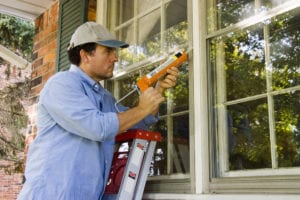
  • Take a walk around the exterior of your home to look for cracks in your foundation and seal them up
  • Keep an eye out for bee and wasp nests, and call Precise Pest Control if you see one
  • Keep bushes and trees away from the house
  • Don’t leave opened food packages lying around the house
  • Ensure that trash can lids are secured
  • Never store firewood next to your home
  • Destroy cobwebs you find around the house
  • Repair water leaks to reduce standing moisture

A Problem for Homeowners, Landlords, and Tenants

Pests present problems for everyone, regardless of whether you’re a homeowner, a landlord, or renting an apartment as a tenant. If you’re looking for high-quality pest control Bergen County NJ is home to some great strategies and prevention techniques for household pests.

Precise Pest Control has been keeping Northern New Jersey pest-free for over 25 years, and we’re experts in eliminating all of these springtime pests and many more. Bergen County pest control has never been easier, more affordable, or more convenient!

What Are “Super Termites” and How to Prevent Them

As if termites weren’t bad enough, now “super termites” have appeared and are threatening parts of the country. Super termites are a relatively new hybrid species that are thought to be even more damaging and destructive than their counterparts.

These hybrids pose serious risks because they’re larger, more resilient, and live in fast-growing colonies. Let’s learn a bit more about the origin of the super termite and how you can prevent termite investigations of all kinds.

Super Termites in Florida

South Florida made headlines when an invasive species of termites surfaced here. Apparently, two separate termite species that originated in Asia mated and started giving birth to a stronger and more adaptable version of the termite. Scientists have hypothesized that the gradually warming climate could be impacting termites’ mating seasons and making them more temperature tolerant.

Super termites could cause large-scale environmental problems and destroy thousands of homes around the world. Other places that are home to the most destructive types of termites include Hawaii and Taiwan. Researchers fear that these hybrid termites could easily spread to other parts of the U.S. and the world as well.

Signs of Termite Damage

Termites aren’t inherently damaging to the natural environment because they help break down debris to allow nutrients to enter the soil. However, they can really wreak havoc on your home. Termites feed on wood and compromise the strength and safety of your home’s infrastructure. They can also impact laminate flooring, walls, and carpet.

These are some of the most common signs of termite damage.

  • Holes in cabinets, floors, ceilings, or anything made of wood
  • Buckling or swollen floors and ceilings
  • A scent that smells like mold or mildew
  • Tunnels near the foundation of your home

Termite Prevention Tips

To protect your home from costly and time-consuming repairs, here are a few termite prevention tips to keep in mind.

  • Hire licensed pest management companies to conduct regular inspections of your home for termites
  • Seal cracks and holes in your home’s foundation
  • Keep mulch, firewood, and sawdust at least 20 feet away from your home and stored on bricks
  • Make sure that your attic and crawl space are well-ventilated
  • Keep wood siding and stucco at least six inches from the ground
  • Promptly repair leaky faucets, roofs, and gutters
  • Avoid letting rain and leaves accumulate in outdoor gutters and drains

Termite Control in Bergen County

Pests are often a major cause of concern for New Jersey homeowners, so it’s important find reliable termite control in Bergen County. Termites, whether the super hybrid type or the standard variety, eat non-stop 24/7, causing up to $2 billion in damage per year!

And unfortunately, the damage is often not noticeable until you have a full-blown infestation. As soon as you notice any termite activity or telltale signs of damage, contact a local professional to stop the situation before it gets out of hand.