Ants in the Garage: Why They’re There and How to Get Rid of Them

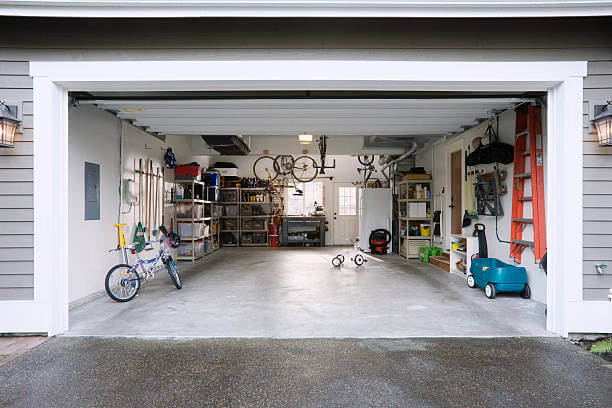
an organized garageGarages are handy places to store vehicles, sporting equipment, exercise machines, and tools. But they are also attractive spaces for ants to move into and take up residence. If you have ants in your garage, the issue could be more severe than you might initially think because of all the access points to boxes, attics, and the main house.


Here are some tips for dealing with ants in a garage and insights about what drew them into this area of your property in the first place.


Why Ants Like Garages


One of the most common types of ants living in garages is the carpenter ant because this type of ant loves wood frames and structures. Many garages have exposed wood areas that are not sealed and offer easy entry points. Garages may accumulate moisture due to car tires and shoes that make the floor wet during rainy and snowy days. Ant in garage problems can get even worse if you store pet food in your garage or leave open trash containers in your garage.


Signs of Ants in Garages


If you knock on wooden structures in your garage and hear a hollow sound, it could be due to carpenter ants digging through the wood to make nests. You may notice droppings from ants in your garage or find holes in bags of pet food you have stored in the area. Doors that stick, floors that sag, and walls that bulge are other signs of damage that may be due to an ant infestation.


How to Get Rid of Ants in a Garage


Some baits and traps can be used to eliminate ants from garages. These extermination strategies have long-term effects and can be very effective for ridding your property of ants. You might try mixing equal parts water and vinegar with a few drops of liquid dish soap as a DIY strategy. It is also helpful to identify ant nests to know where ants are coming from and gathering together.


Make a point to inspect vehicles parked in your car for ant activity, as well as storage boxes and other items you don’t access regularly. Inspect the outside perimeter around your garage to see if ants are active in the outdoor areas nearby. Going forward, avoid keeping trash, food, or seeds in your garage to deter ants. Clean up excess moisture as soon as possible inside the garage so that it is less attractive to pests as well.


When to Call a Professional for an Ants in Garage Situation


If the ants in your garage seem like more than you can handle with an easy DIY approach, Precise Termite and Pest Control is here to help. We assist New Jersey residents with prompt, professional, and effective ant control services every day and know what it takes to keep garages free of ants.


At the first sign of ants in your garage, we recommend calling us at 866-971-2847 for a free inspection. We look forward to helping you make the most of your home’s garage space without any ant issues!

Ants in the Kitchen Sink? Here’s How to Get Them Out for Good!

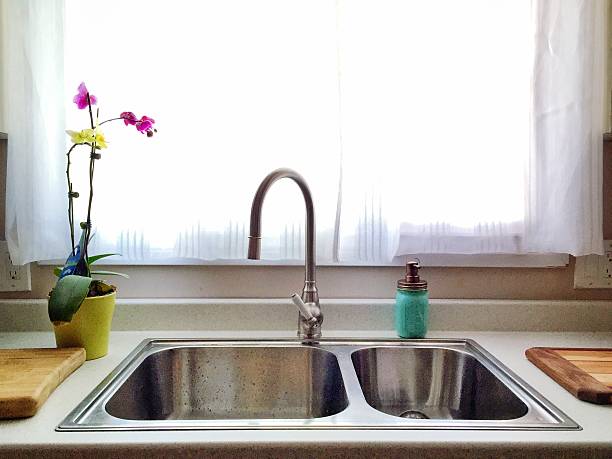
clean kitchen sinkYou use your kitchen sink to scrub dishes, wash your hands, and prepare food. Clearly, this is no place for ants to be living. But there they are, walking around the drain and hanging out on your dish sponge. This is an unsettling place for ants to take up residence in a home but a more common place than you might expect.


Here’s a look at why ants are drawn to the kitchen sink and how to deal with an ants in sink problem at home.


Why Ants Get in the Sink


Like all living creatures, ants are constantly searching for food to eat to sustain their bodies. You’ll often find lots of food scraps, crumbs, and grease in kitchen sinks. Ants are also steady and reliable sources of water, which is another thing that ants need to survive each day. This makes them perfect habitats for ants, especially when you don’t keep your kitchen sink clean and tidy.


Leaving stagnant water in your sink attracts ants, as well as dirty dishes for long periods of time. You might also have an ants in sink problem if you have a leaky pipe that causes a pool of water to form under the sink. Inadequate caulking around the sink and a garbage disposal clogged with food debris can also lead to ant activity in the kitchen sink.


How to Get Rid of Ants in Sink


Ants in the kitchen sink are very noticeable, and getting rid of them requires more than just washing them down the drain. You’ll need to thoroughly clean your sink inside and out to deal with an ant infestation. To clean the top of the pipes, you can put baking soda and vinegar in your sink and then pour boiling water down the drain. However, you don’t want to use chemical ant killers in your kitchen sink because they could get into your water supply and put your health at risk.


Therefore, the safest solution is to call Precise Termite & Pest Control to come out and evaluate the extent of the ant problem. We can safely remove ants from your sink and give you peace of mind that they won’t keep crawling back up the pipes, through the drain, and to the rest of your kitchen.


Preventing Ants in Your Sink


One of the best preventive tips for eliminating ants is controlling moisture problems. This process may involve checking for plumbing leaks, removing puddles of water, and getting faucets tightened up. Keep food scraps out of the kitchen sink to prevent ants from coming back in the future. To make your kitchen less attractive to ants, keep the counters, the backsplash, and the stove clean and free of food scraps and spills.


Call Us for All Your Ant Problems


Most DIY ant remedies only address the ants that you can see and not the more significant problem of ants in the sink. An infestation may be worse than you think if ants live down within your pipe system, under your floors, and behind your walls. We are your local Bergen and Passaic County ant control experts, so call us at 866-971-2847 for an inspection any time you notice ant activity in your home.

What to Do About Mice in the Couch

an old tan couchMice are resilient little rodents who seem to be able to live just about anywhere, such as attics, basements, walls, and kitchen pantries. But one place that many people don’t think about mice taking up residence is the couch. There’s something very unsettling about the thought of mice hanging out where you sit to relax and cuddle up with a book or watch TV. But mice in couch problems definitely exist, and we’re here to help when they happen to you.


Can Mice Live in Couches?


The short answer to this question is yes, mice can live in couches and make their homes among the soft cushions here. Some homeowners have taken DIY approaches to rodent control and thought they had a mice issue handled when they stopped seeing them in familiar areas. However, little did they know that the mice had migrated to the couch and started to destroy a valuable piece of furniture that they previously believed to be safe, clean, and comfortable.


Why Mice Like Couches


Couches are attractive places for mice, just like they are among our favorite places to spend time as humans. Couches are filled with soft materials that are cozy and make excellent nesting materials. The inside of couches are hidden away from the outside world and the humans and pets that may disturb them. It’s also a great place for pregnant female mice to have their babies and keep them safe and warm. If you have a habit of snacking on your couch, mice will find those tiny crumbs between the cushions and have their own little feast from your leftovers!


How to Identify a Mice Nest in Couch


One of the most common signs of a mice nest in a couch is mice droppings, which are fecal pellets left behind from these unwanted couch residents. A single mouse can create dozens of droppings per day, which will be noticeable when you rotate your couch cushions or remove them to vacuum your couch.


Other signs of mouse activity in your couch are gnawed portions of fabric, the smell of urine, and bits of stuffing on the floor. If you are quiet, you may even hear squeaking or scratching noises coming from your couch when you are not sitting on it.


We Can Get Rid of Mice in Your Couch


If you have noticed signs of mice in the couch or have any sneaking suspicions that they are living here, don’t live another day in these troublesome conditions. Precise Pest Control is the go-to source for mouse control in Northern New Jersey, and we are in the business of helping people get mice out of their couches for good.


Our professionally trained exterminators know the best ways to remove mice from couches so that you can assess the damage and make the best decision about your furniture. The longer you wait to take action, the more damage mice can cause in a couch. If you catch the problem early, you may be able to have the couch cleaned and repaired so that you don’t have to buy a brand-new couch and put a strain on your budget.


Then, going forward, we can provide you with helpful tips about how to keep mice from getting into your couch in the future, such as promptly cleaning up crumbs, strategically placing mice deterrents, and sealing up gaps and holes in your home.


Contact us today for a free mice inspection and protect the home furniture you love.

How to Get Rid of Ants in the Bathroom

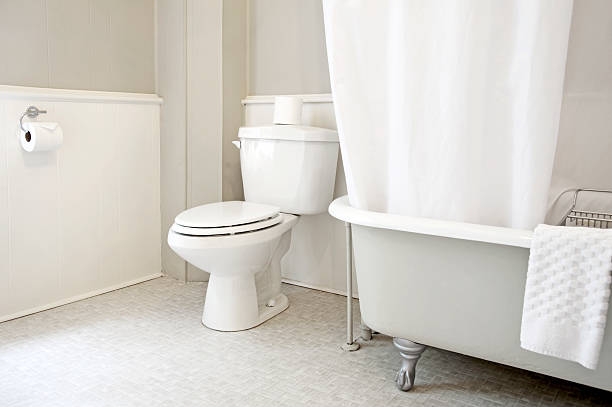
Bathroom interior with claw foot bathtub.Ants are very common in New Jersey, and although they’re tiny, they can cause big problems for local homeowners. Ants can squeeze through the very smallest cracks and gaps in homes as they search for food, water, and shelter. One place that ants often gravitate to when they get inside is the bathroom, which can really throw off your normal hygiene and grooming routine.


Here are some tips for how to get rid of ants in your bathroom and where to turn for professional help to get a bathroom ant infestation under control.


Why Do Ants Live in Bathrooms?


There are a lot of things about a bathroom that makes it the perfect place for ants to live. These rooms of the house are dark and moist, with easy access to water. Bathrooms provide ants with a damp environment from condensation after you shower, pools of water from clogged drains, and plenty of smells from your favorite soaps and lotions. Even if you make a point to clean your bathroom on a weekly basis, ants can still make their homes here between your cleanings and without going noticed in dark corners and under the sink.


Ant Control in Bathrooms


Ant control in the bathroom often involves setting baits after identifying the type of ant you are faced with. Baits are most effective when they target specific kinds of ants, and yes, we do have several different types in our region. Yet, getting rid of ants in bathrooms starts with finding the place where they are coming in from and following their trails. From there, look for what is attracting them to the area, such as a leaky pipe or crack in the wall. If you don’t address an ant infestation promptly, the ants can get into your toiletry products, cause plumbing problems, and be very unsettling for everyone in your household and guests.


Professional Help with Bathroom Ants


The professional exterminators at Precise Pest Control can identify the ants in your bathroom and come up with a quick and effective solution to get rid of them. There are DIY home remedies that you can try to eliminate ants from your bathroom, such as white vinegar, borax, and coffee grounds. But if that sounds like too much of a hassle to mess with and you simply want the ant situation to go away as quickly as possible, Precise Pest Control should be your first call.


Prevention Tips for Ants in the Bathroom


Fortunately, there are some things you can do to prevent ants from inhabiting your bathroom for the next time after we have come out to exterminate the existing ant colony. When you are done using the shower, turn on the bathroom fan or open a window to remove steam and reduce moisture levels. Clean the space between floor tiles to remove grime that can attract ants, and wipe up any puddles of water on the floor as soon as possible.


Other ways to prevent ants in the bathroom are to replace bathroom mats, empty the bathroom trash can regularly, and clean the bathroom drain occasionally. The area behind the toilet is an enticing place for ants and somewhere that you don’t look at every day. So, this is an important place to pay attention to with your regular bathroom cleanings.

We are here for you whenever you have an ant problem in the bathroom or elsewhere in the house. Call us at 866-971-2847 for a free ant inspection!

How to Tell If You Have Mice in Your Attic

a mouse on a concrete floorMice are resilient little rodents that seem to be able to take up residence nearly anywhere. But one of the most common places that you will find mice is the attic. Mice in this location can present a tricky situation because many homeowners don’t spend much time in their attics and don’t even realize mice are living there.


Here is some information about how to tell if you have mice in your attic and what to do about the rodent activity once you discover it.


How Mice Get in the Attic


Some people are surprised that mice are even able to access attics because of the height and minimal doors and windows for access. However, mice can find the tiniest cracks in a home and get up that high by climbing gutters or jumping from tree branches onto roofs. Attics are actually preferred habitats for mice because attics are typically warm, dark, dry, and free of human activity.


What to Listen for


Mice often make scratching and scurrying sounds, so these are things to listen for above your ceiling. You may hear the sounds of tiny running feet above you, which is a sure sign that mice are in the vicinity and could spread to other parts of your home too.


What to Look for


Even if you only use your attic for storage, it is important to inspect your attic regularly to ensure that no unwanted house guests are up here. Signs of what to look for are pools of mice urine, mouse fecal droppings, and grease marks along the walls. You may also see chew marks on wires in your attic, nesting materials (like paper and cloth) gathered together, and burrows through your attic insulation. Another sure sign that you have mice is if you see a live or dead mouse among your belongings. Mice rarely exist as individuals, so where you find one, you will likely find more later if you look closely.


Preventing Mice in the Attic


In addition to regularly visiting your attic to check for sounds and sights of mice, there are additional things that you can do to be proactive about rodent infestations. To start, keep your attic clean and free of unnecessary clutter. If you notice any cracks in the attic area, patch them up so that mice don’t have an easy access point.


Do not store food in your attic, or if you must store food here, make sure it is secured in sealed containers that mice cannot chew through. Also, take a walk around your property and take note if any tree branches or bushes are very close to your home that would enable a mouse to jump on top of your roof and get into the attic.


Who to Call for Mice in the Attic  


For over 30 years, Precise Termite & Pest Control has been keeping Northern New Jersey protected from attic mice. We understand the risks involved in exterminating mice and the best tactics for keeping them away from local homes. When you call us for a free inspection, we can determine if there are signs of mice in your attic, where the mice entry points are, and the best course of action for getting mice out of this space. We’ll also come up with a plan to keep mice out of your attic so that you only need to schedule an annual, preventative inspection rather than dealing with an emergency infestation situation in the future.


Call us at 866-971-2847 or contact us online today to learn more!

Understanding Bee Swarms and How to Deal with Them

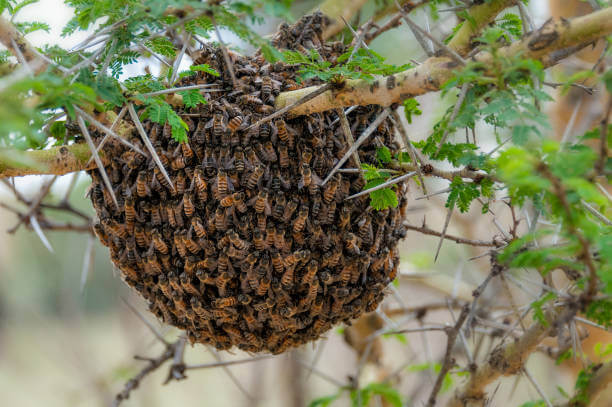
bees swarming a tree branchBees are known for doing lots of different things, such as flying, buzzing, and pollinating flowers. But something else that bees do is swarm, which is how bee colonies continue to survive and create new colonies. Swarming is a natural and essential part of a bee’s life, but seeing a swarm of bees can be very concerning for an unsuspecting homeowner.


Here is what you should know about bee swarms and what to do when you see swarms of bees around your house.


What Are Bee Swarms?


A bee swarm looks like a mass of bees moving together through the air. Bees swarm for a few different reasons. For example, swarming occurs when a bee hive gets too crowded and some of the bees must move on to a different location. Also, all of the bees in a colony might leave an existing hive because of lack and food or water, a human disturbance, or other issues that put the bees at risk.


Why Swarms of Bees Are a Problem


Bee swarms can be very unsettling to see around your home, but swarming time is actually when bees are most docile. At this time, the bees are primarily concerned with relocating rather than defending themselves. After a swarm of bees find its new home, they will return to defensive mode in full force to protect the queen as she lays eggs and as they start building wax comb.


Yet bee swarms can be problematic for homeowners because of the fear they cause people, especially kids and anyone who is allergic to bees. Pest control companies like Precise Termite & Pest Control, often receive panicked phone calls from residents about bee swarms. But it’s important to remember that bees are essential to our ecosystem, that swarming bees are typically less dangerous than non-swarming bees, and that we are just a phone call away (866-971-2847) whenever you need help.


When and How Long Bee Swarms Happen


Bee swarms are most common during the spring, but they can happen any time between spring and fall. The most common months for bee swarms are April, May, and June.


Bees are most likely to swarm on days with pleasant weather and between the hours of 10am and 2pm. Swarming may last between 24 and 36 hours. The swarm may linger in your yard for just a few hours up to a couple days before moving on.


What You Should Do If You See Swarms of Bees


Although it might be difficult in the moment, the first thing to do when you see a swarm of bees is to react calmly and not panic. For your own safety, do not attention to corral the swarm, spray it, catch it, or disturb it in any way. Dealing with bees requires protective gear and training in beekeeping.


Swarms of bees are actually quite beautiful to watch, so you might even want to grab your phone and take a video – from a safe distance away, of course. If the swarm becomes problematic, you can contact your local beekeeper association to have a beekeeper come out to your property and catch the swarm and transfer them to a backyard apiary. You can also contact Precise Termite & Pest Control for professional bee elimination services. We are committed to serving the counties of Bergen, Passaic, Morris, Essex, and Sussex.


Contact us to learn more about our bee services or to schedule your free bee inspection.

Tips for How to Get Rid of Mice in Your Basement

mouse perched on a wooden shelfMice are resilient little rodents who to take up residence nearly anywhere in a home or yard. However, one of the most common places for mice to live in a home is the basement. There are a few different ways that mice get into basements, and this can cause a variety of problems for homeowners.


Fortunately, Precise Termite & Pest Control is here to help get rid of mice in your basement and keep them out of this area of your home.


Why Mice Live in Basements


There are various things that attract mice to basement areas, such as storage boxes and piles of clutter. These are prime places for mice to build nests, so it is best to use plastic storage containers instead of cardboard boxes and to place them away from walls to eliminate hiding spaces. There are lots of excellent hiding places in basements, so keep the area free of clutter to deter mice.


Mice may choose to live in a basement if there is food stored there or exposed insulation lying around to provide an attractive nesting spot. Basements are also preferred by mice because they tend to be dark, cool, and have less human activity than other parts of a home.


How Mice Get Into Basements


Mice often get into basements through holes and cracks that aren’t properly sealed up. Mice only need a tiny amount of space to squeeze through, so you might not even notice miniature gaps around plumbing, wiring, floors, and where the foundation meets the ground.


One of the first steps in mouse control is finding the entry point that mice use to get inside and sealing any openings that exist. Signs that you have mice in the basement are tracks on the floor, gnaw marks, a musky smell, and fecal droppings. Even a single mouse in a basement can be an issue because of the risk of spreading diseases, such as salmonellosis and leptospirosis, through their excrement. Another with mice risk is the spread of parasites, including mites, fleas, and ticks. Mice can also cause a lot of damage in a basement if they chew through electrical wiring and create dangerous fire hazards.


We Can Help Get Rid of Mice in Basements


At Precise Termite & Pest Control, we regularly help New Jersey residents get rid of mice in their basements by determining how they are accessing the space and by deploying various rodent control tactics based on the situation. Our extermination professionals know the safest and most effective ways to deal with basement mice.


To prevent mice from coming back into your basement, we will develop a strategy with you that may include removing food sources in the basement, sealing up trash, fixing water leaks, and sealing the home’s foundation. It may also help to put weather stripping around the basement door to prevent mice in the basement from traveling to other parts of the house as well.


We offer same-day service for customers in Bergen, Passaic, Morris, Essex, and Sussex counties to get your mice problem resolved right away. Contact us at 866-971-2847 for more information about how we get rid of mice in basements and for a free inspection of your basement and other areas of your home.

How to Get Rid of Mosquitoes in the House

Mosquito perched on a windowMost mosquito problems take place in the outdoors, whether its in the backyard, in parks, or along hiking trails in the woods. But mosquitos can make their way indoors too, which causes an additional set of headaches for families in the summertime.


In this article, we explore how mosquitoes get into houses, how long they can live indoors, and ways to get rid of mosquitoes that have entered your home.


How Are Mosquitoes Getting in My House?

Mosquitoes prefer to live near stagnant water and wet areas, which you may have around the inside of your home. Interior water features, pet water bowls, and houseplants are favorite places among mosquitoes. Mosquitos may also live around gutters that aren’t draining properly, toilets, utility sinks, laundry rooms, air coolers, and places that have become damp due to plumbing leaks.


These insects enter homes through gaps in doors and windows, which is a good reason to fix your screens and seal up gaps. Repair screens with a patch kit, place a door strip under doors where you can see light coming through, or pick up some weather stripping materials to make repairs. You can prevent mosquitoes from breeding inside your home by eliminating pooled water around your air conditioning unit and by making sure that drains are cleaned regularly and covered when possible.


How Long Do Mosquitoes Live Indoors?

In an indoor environment, mosquitoes can live for quite a while, typically about four to 30 days. The average lifespan of a mosquito is approximately two to three weeks. But a larger concern is if a female mosquito lays eggs and gives birth to baby mosquitos to cause a full-blown infestation.


Ways to Get Rid of Indoor Mosquitoes

While many homeowners use pest control sprays in the outdoors to handle mosquito problems, some people are more hesitant to use certain products indoors because of the close exposure to humans and pets. Therefore, it may be worth trying one or more natural ways to repel mosquitoes inside your home, such as citronella, lemon eucalyptus oil, lavender, cinnamon, or Greek catnip oil.


It may also help to place mosquito-repellent plants inside your home, such as marigolds, mint, or lemongrass. Other home remedies to try for interior mosquito problems include putting sliced lemons and cloves around your home and laying out a dish of soapy water to attract and kill mosquitoes. For a DIY approach, there are also mosquito zappers that are suitable for indoor use and that are typically smaller and quieter than the loud and bright devices that are used in outdoor spaces.


How Our Exterminators Can Help

However, the best way to prevent interior mosquitoes is to control them outside before they even have a chance to come indoors. Precise Termite & Pest Control offers Bergen County, Passaic County, Morris County, Sussex County, and Essex County mosquito control services and can get your outside mosquito problem under control so that you don’t even have to worry about these insects being inside your house. We can help you determine the source of your mosquito issue, safely exterminate them, and take precautions to ensure that they don’t come back again.


For a free mosquito inspection, contact Precise Termite & Pest Control at 866-971-2847 or fill out our online form. We look forward to helping you get mosquitoes off of your property and out of your life for good.

Why Do Ants Keep Coming Back and How to Keep Them Away

Ants waking across a reIf you have ever had an ant problem around your home, then you understand what a relief it is to finally have them gone. But what happens if the ants keep coming back after spraying? This situation is more common than you might think, but there are effective ways to stop the cycle of infestation and live an ant-free lifestyle for good.


Here is some information about why ants keep coming back to your home and ant extermination strategies that work for the long-term.


The Original Colony Still Exists

One possible reason why ants keep coming back is that you didn’t kill all of them from your last infestation. Ants live in large groups, so if you only addressed them in one part of your home, they might still be thriving in a different area.


For example, if you only sprayed ants when you happened to see them, the rest of the colony might be staying more hidden and working on reproducing. The best way to tackle a colony of ants is often to place bait in numerous ant-prone area because ants will consume the bait and then take it back to the nest, where they will poison other ants living there too.


Attractive Spaces Are Still Around

If you didn’t follow the preventative instructions from your exterminator after the last time you had an ant problem, they might come back again. Ants look for food, water, and shelter to survive, so a new colony of ants could take up residence at your home if you are still providing those basic necessities.


To prevent the same type of ant problem from happening again, store food in airtight containers, clean up spills and crumbs regularly, and eliminate standing water from all areas of your home and yard. Things that commonly attract ants inside a home are moisture, clutter, food scraps, garbage, nature debris, and holes and cracks as entry points.


Your DIY Treatment Wasn’t Effective

Many people choose to take a DIY approach to ant control, which may be attractive as an affordable option but is often not effective in the long run. Different types of ants may require different types of treatment, which you might not realize unless you have been trained in professional extermination practices.


Meanwhile, Precise Termite & Pest Control offers expert solutions for ant issues that take into account the type of ants on your property, the extent of their presence, and what is attracting them the most. Killing ants upon contact simply isn’t good enough, but we can help you devise a better strategy for keeping them from coming back.

How to Keep Ants from Coming Back

At Precise Termite & Pest Control, we are dedicated to keep preventing from coming back by deploying the best extermination and prevention methods in the industry. We are your local ant extermination experts who understand the types of ants that cause problems in Bergen County and long-term strategies needed to keep them out in nature where they belong rather than around your house and yard.


To learn more about our ant control methods and for a free ant inspection, contact us today at 866-971-2847. Keeping ants away in Northern New Jersey is definitely possible with Precise Termite & Pest Control on your side.

Ants vs. Humans: Understanding the Relationship Between Us

Cropped Hand Of Man With Ants On RockAnts and humans have always coexisted in the world since the beginning of time, but that doesn’t make it any easier to deal with them when you have an infestation in your home. This article explores the relationship of ants vs. humans so that you can take control of the situation and live safely and happily in an ant-free zone.


Why Ants Enter Our Homes

Ants, like all creatures on our planet, need food to eat and a comfortable place to live. Ants are no exception to this rule and often find their way into human homes in search of nourishment and habitat. They are resilient insects that can survive in a wide range of conditions. Yet ants will take the easy way out if given the opportunity, which means even a tiny amount of pet food left out or crumbs left behind can draw in hundreds of ants very quickly.


Out in the yard, ants are especially active around utility boxes, yard debris, and dirt mounds. They are most commonly seen during the summer months in New Jersey but stay in our environment all throughout the year, even when they become less active to conserve energy in the winter.


How Ants Affect Humans

Although ants are tiny, their effect on humans can be quite great. When ants get into our personal spaces, they can contaminate our food supply and make us need to throw away grocery items or risk getting sick. Some ants have been known to bite humans when they come into close contact, which can cause pain and discomfort even though the bites are not usually very severe.


Some people are allergic to the venom of ant stings, which can cause swelling, itchiness, and even difficulty breathing. Having an ant infestation can also affect people’s mental health by making them feel paranoid about bugs crawling on them or embarrassed about inviting guests over to the house.


Ants can cause damage to a home by creating nests in wood that is moist and in hollow areas inside and around a home. Carpenter ants, in particular, are skilled at tunning through wood and causing damage to household structures and furniture. Ants can also be a source of food for other insects, which means that by simply having ants around your home, you could be drawing in other pests as well to further complicate matters.


Dangers of an Ant Infestation

Something else to know about ants is that they can multiply quickly, so just a few ants in your home could turn into a full-blown infestation in no time at all. There are DIY methods that you can try to deal with an ant problem, such as powdered chalk, lemon peels, peppermint, and red pepper. But if these strategies aren’t getting the job done, it is time to call Precise Termite & Pest Control for professional help.

We have been keeping Northern New Jersey free of ants for over 30 years and know how to target the types of ants that are common to our region. We deliver prompt and affordable pest control solutions so that you can rest easy and go about your days without worrying about ants.

To ask any questions about our ant control processes or to schedule your free inspection, please contact us online or call us at 866-971-2847.