
Blog
What Attracts Stink Bugs to Your Home in Fall?
What Attracts Stink Bugs to Your Home in Fall?
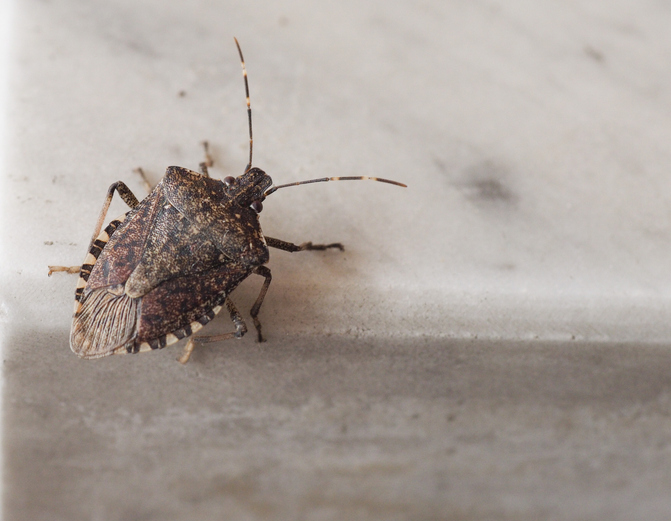
As temperatures start dropping in New Jersey, you might notice an unwelcome seasonal visitor: the brown marmorated stink bug. These insects become more noticeable in our area in the late summer and fall as they start searching for safe places to survive the winter. So, what are stink bugs attracted to? The answer involves a […]
When Does Mosquito Season End in New Jersey?
When Does Mosquito Season End in New Jersey?
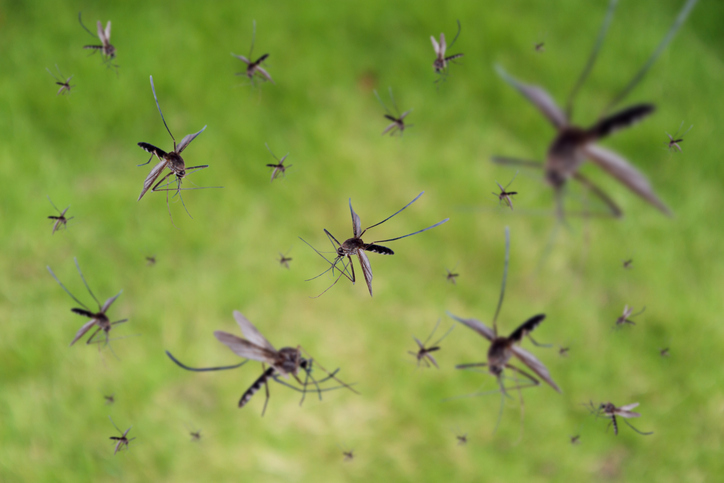
If you’re fed up with itchy bug bites and wondering when mosquito season in New Jersey ends, unfortunately, there’s no official end date to mark on your calendar. According to the New Jersey Department of Environmental Protection (NJDEP), mosquito activity declines in the late fall when the temperatures turn consistently cold and a hard frost […]
Cicada Killer Wasps in NJ: Are They Dangerous?
Cicada Killer Wasps in NJ: Are They Dangerous?
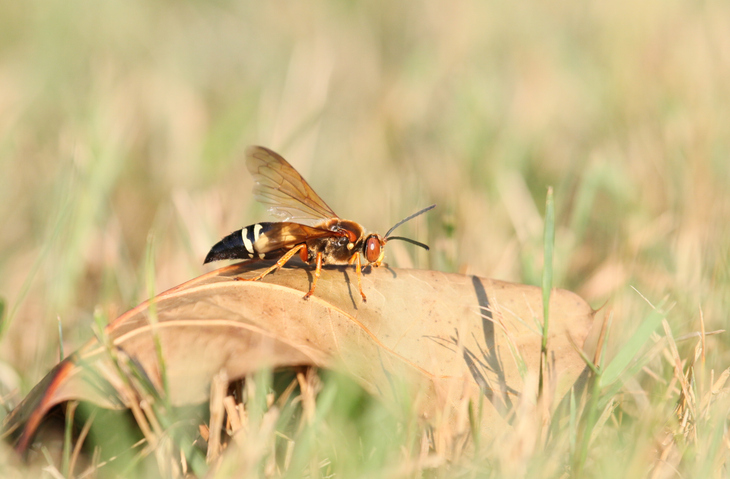
If you see giant black-and-yellow wasps flying around your New Jersey yard, you might wonder what it is and if you have a killer wasp problem. Fortunately, the cicada killer looks more intimidating than it really is. These large, solitary wasps aren’t usually aggressive towards humans and actually play an important role in controlling native […]
Mouse Droppings 101: How to Identify & Safely Clean Them
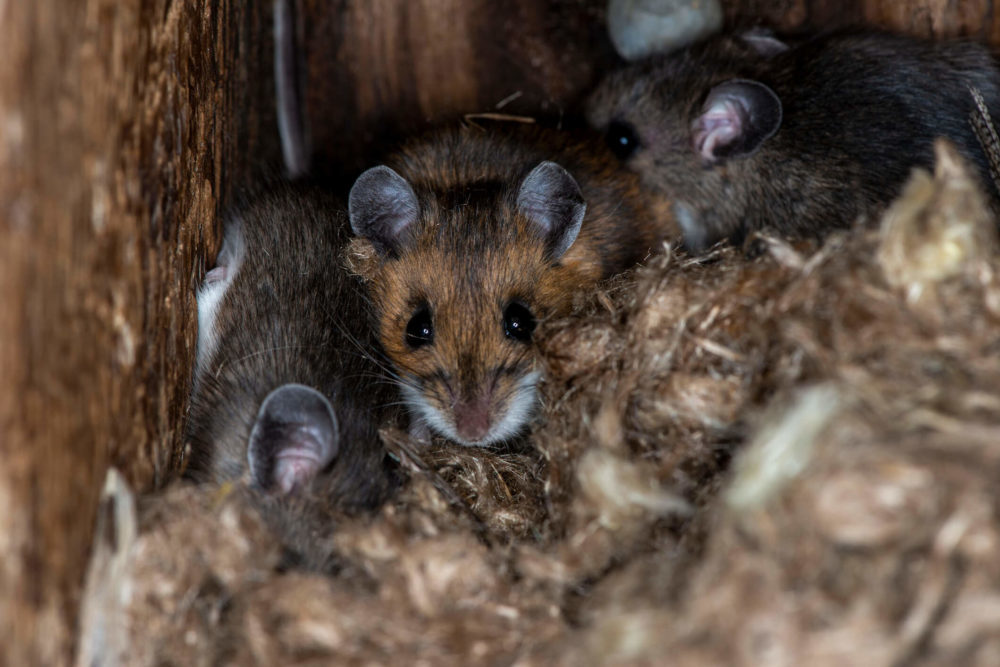
Mouse Droppings 101: How to Identify & Safely Clean Them
Discovering small, dark pellets in your home is an unwanted surprise and concerning sign that mice have moved in. However, knowing what mouse poop looks like and where to find it can help you address the problem quickly and clean it up safely. Precise explains how to identify and clean mouse poop, and our expert […]
NJ Termite Types: Drywood, Subterranean & More
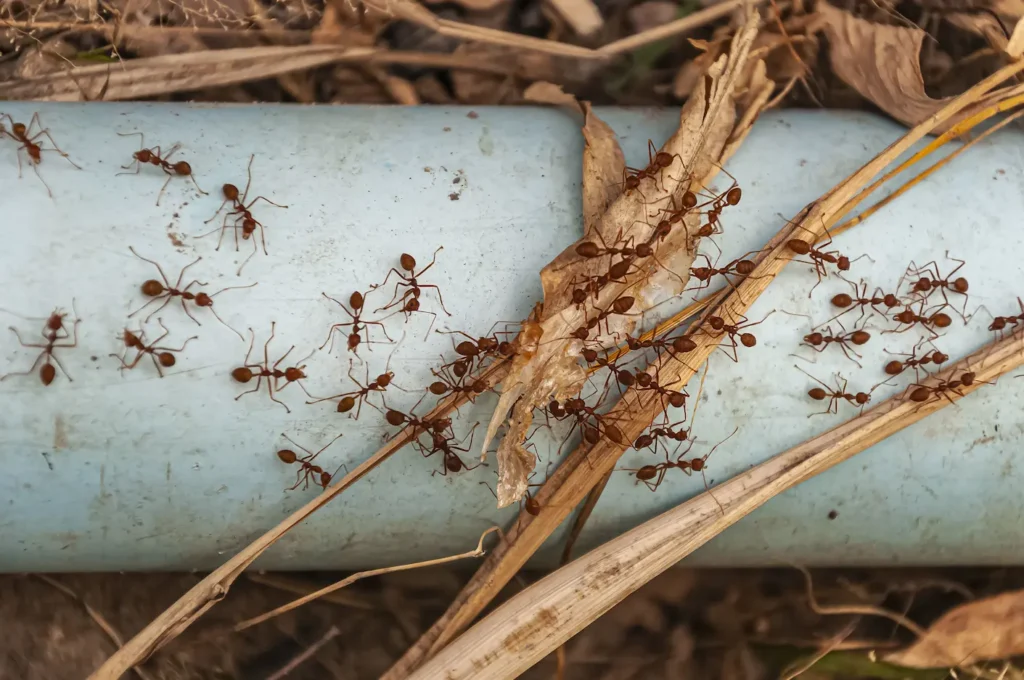
NJ Termite Types: Drywood, Subterranean & More
Termites are among the most destructive pests that invade New Jersey homes. Each year, they cause billions of dollars in damage across the country as they silently destroy houses behind walls, under floors, and inside wooden structures on properties. Subterranean termites are the most common termite species in our state; however, it’s important to be […]
Carpenter Ant Control: How to Protect Your NJ Home

Carpenter Ant Control: How to Protect Your NJ Home
How to Get Rid of Carpenter Ants in Your NJ Home Discovering carpenter ants in your house can be alarming. These large black ants don’t eat wood like termites; they excavate it to build nests. Over time, their expanding colonies weaken wooden structures and cause costly carpenter ant damage. If you’re wondering how to get […]
What Are Sugar Ants & How to Get Rid of Them in NJ
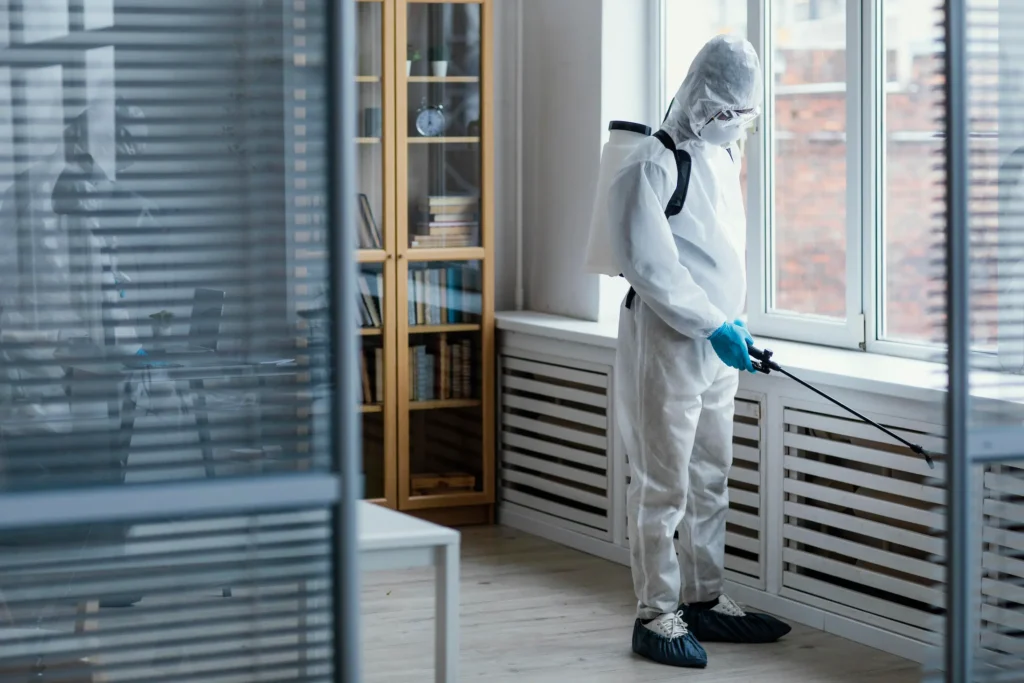
What Are Sugar Ants & How to Get Rid of Them in NJ
If you’ve noticed tiny ants marching across your kitchen counter or gathering around a spilled drink, you may be dealing with what many northern New Jersey homeowners call sugar ants. The true sugar ant is actually an Australian species. However, the term “sugar ants” is commonly used where we live to describe any small ants […]
How Do I Get Rid of Carpenter Bees?
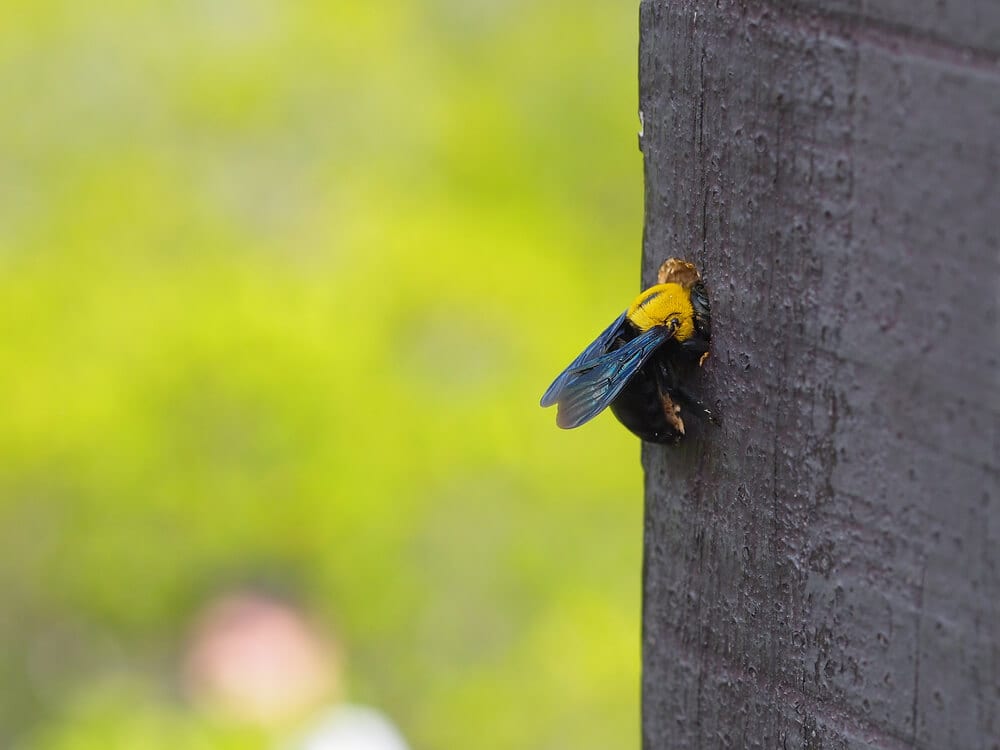
How Do I Get Rid of Carpenter Bees?
How to Protect Your Home From Carpenter Bee Damage Carpenter bees might look like other bees, but they’re unique in that they can cause significant damage to your property if left unaddressed. If you’ve been noticing large bees hovering around the wooden area of your home, now’s the time to learn how to get rid of carpenter bees before they establish extensive nesting tunnels. Here in […]
How Do I Get Rid of Mosquitoes in My Backyard?

How Do I Get Rid of Mosquitoes in My Backyard?
Backyard Mosquito Control Tips for New Jersey Homeowners Mosquitoes can quickly turn a relaxing backyard into an uncomfortable and even dangerous place to spend time. Beyond the itchy bites they cause, mosquitoes can also transmit diseases such as West Nile virus. Effective backyard mosquito control begins with an understanding of what attracts them to your yard and taking proactive steps to […]
How to Get Rid of Mice Outdoors Around Your Home
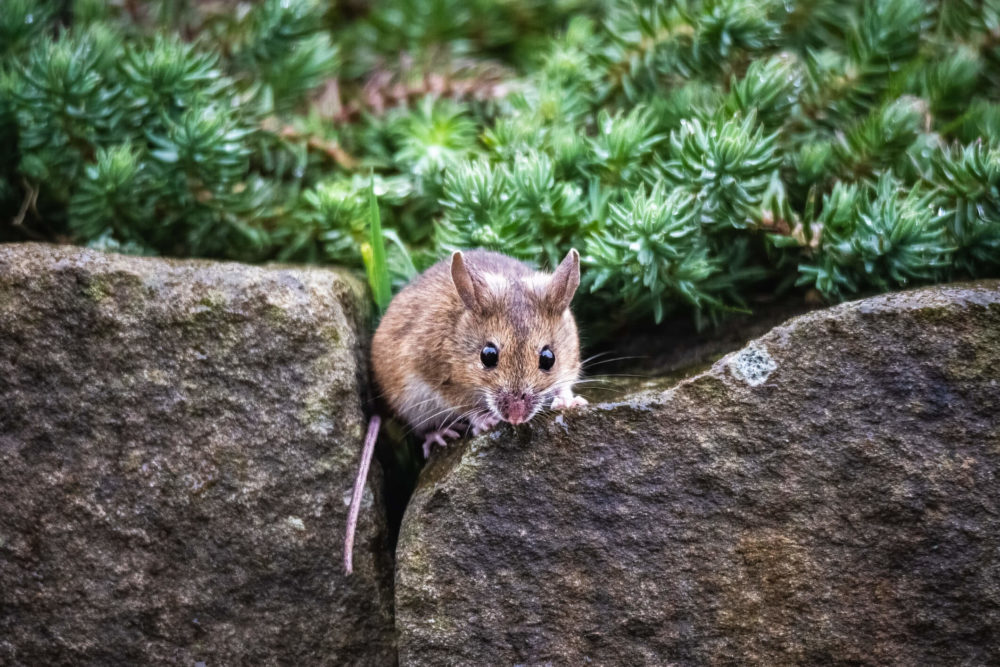
How to Get Rid of Mice Outdoors Around Your Home
Here’s how to get rid of mice outdoors and keep them from moving inside. We help protect your home and yard with long-term prevention.
Rodents in Your Attic: Signs, Dangers & Removal
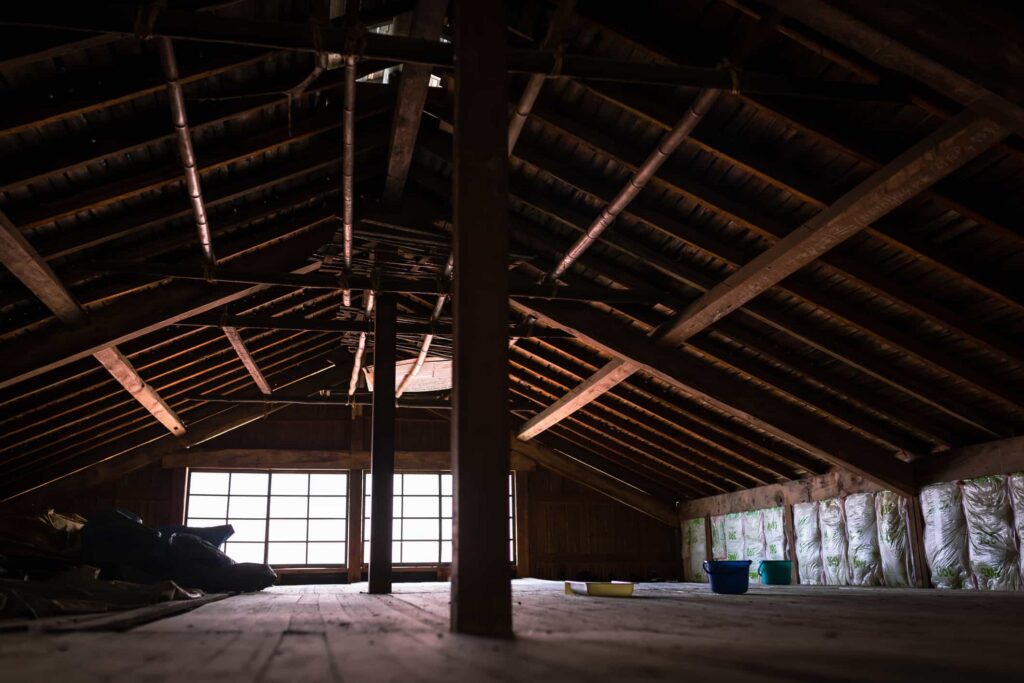
Rodents in Your Attic: Signs, Dangers & Removal
Signs of rodents in your attic? Learn what to look for and how our expert removal and prevention tips can help protect your home.
NJ Tick Season: Why Warmer Weather Means More Ticks
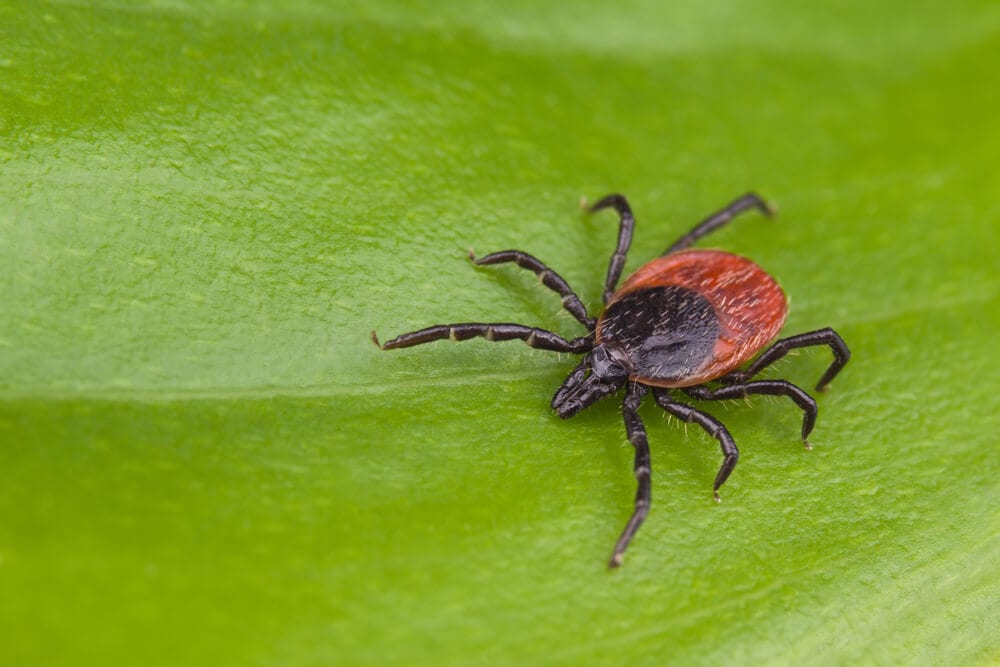
NJ Tick Season: Why Warmer Weather Means More Ticks
Precise Termite & Pest Control breaks down NJ tick season, how climate change affects ticks, and what homeowners can do to stay protected.
How to Repel Mosquitoes Naturally at Home & Outside
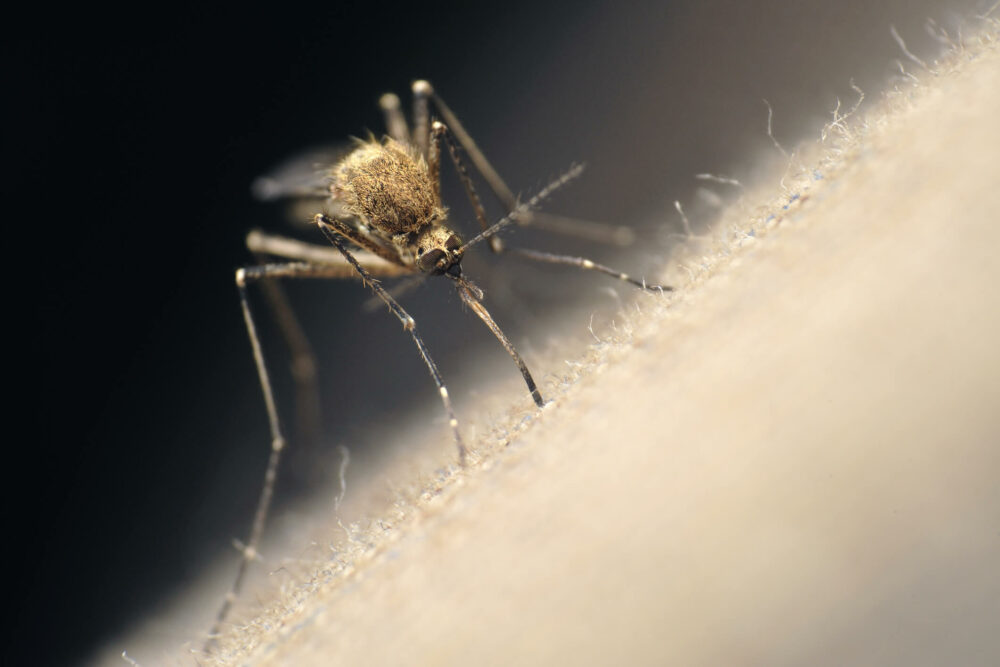
How to Repel Mosquitoes Naturally at Home & Outside
Effective Natural Mosquito Repellents for Your Home and Yard. Mosquitoes can quickly ruin time spent relaxing in your yard with their itchy bites and disease risks.
Mosquito Diseases & Behavior in New Jersey
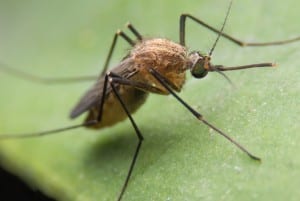
Mosquito Diseases & Behavior in New Jersey
Understanding Mosquito Behavior and Disease Risks for Homeowners. When you understand how mosquitoes behave and the risks they present, you can be proactive about protecting your home and family from these dangerous, nuisance pests.
Mosquito Control NJ | Backyard Mosquito Prevention Tips
Mosquito Control NJ | Backyard Mosquito Prevention Tips
Mosquito Control and Prevention Tips for Your Backyard. Mosquitoes are more than just annoying summer pests – they can make backyard gatherings downright unbearable and even create health risks.
Understanding Tick-Borne Diseases in NJ and How to Stay Safe

Understanding Tick-Borne Diseases in NJ and How to Stay Safe
Tick-Borne Diseases in New Jersey and How to Protect Your Family. New Jersey ticks are more than just a nuisance.
Tick Control 101: Where Ticks Hide and How to Prevent Them
Tick Control 101: Where Ticks Hide and How to Prevent Them
A Homeowner’s Guide to Tick Habitats and Prevention. Ticks are certainly tiny, but they can cause serious problems when they take up residence around your home and yard.
Where Do Winter Pests Go? A Complete Guide to Bugs, Rodents & More in Cold Weather
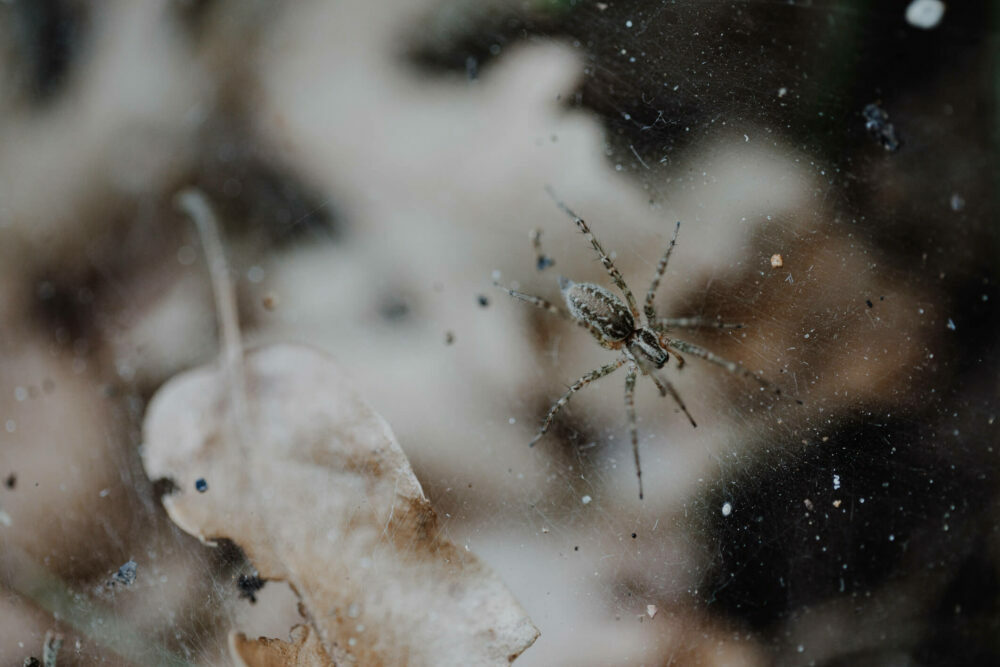
Where Do Winter Pests Go? A Complete Guide to Bugs, Rodents & More in Cold Weather
Seasonal Habits of Common Winter Pests. It’s easy to assume that insects and rodents hibernate or disappear during the cold winter months, since we start seeing fewer of them here in New Jersey.
Is Winter Pest Control Necessary and How to Pest Proof Your Home
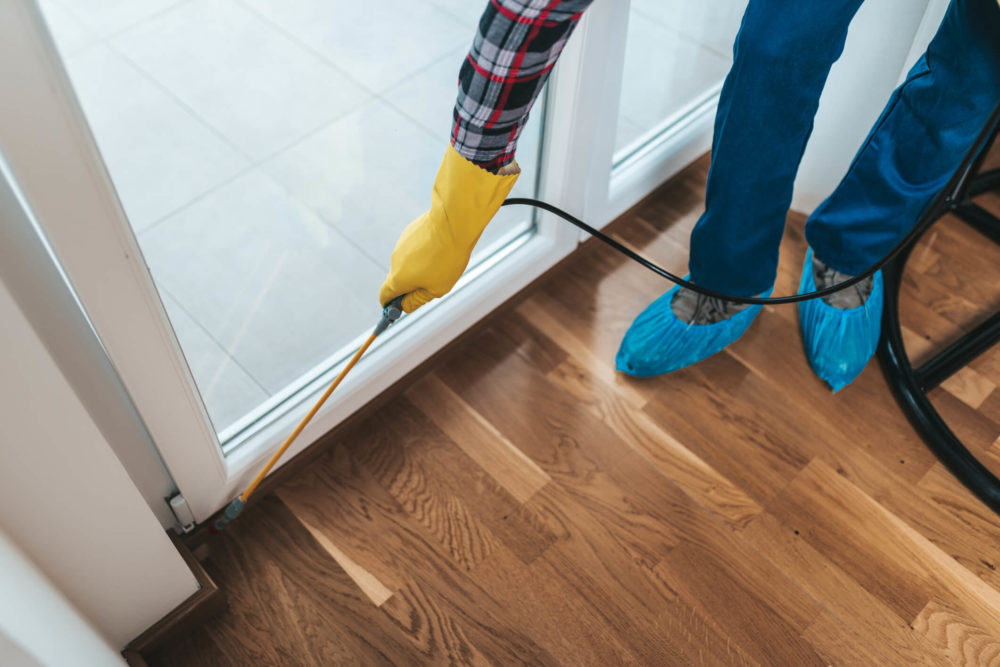
Is Winter Pest Control Necessary and How to Pest Proof Your Home
Do You Need Pest Control in Winter? When local temperatures drop in New Jersey, many homeowners assume that pests magically disappear until spring.
Understanding Professional Mice Removal

Understanding Professional Mice Removal
Mice Removal: Our Approach to Professional Mice Extermination. Mice can be highly frustrating household pests because they reproduce so quickly, gnaw through wiring, contaminate food, and carry diseases.