Category Archives: Tick Control

Understanding Tick-Borne Diseases in NJ and How to Stay Safe

Tick-Borne Diseases in New Jersey and How to Protect Your Family

New Jersey ticks are more than just a nuisance. They are transmitters of serious diseases that can affect you, your family, and your pets. Our state is considered a hot spot for tick activity in the U.S., making understanding tick-borne diseases crucial. 

Precise Termite & Pest Control is here to help you get a handle on New Jersey ticks and prevent diseases before risks ever occur through education, prevention strategies, and targeted exterior tick control services 

Why New Jersey Ticks Are a Problem

New Jersey is known for its lush woodlands, abundant wildlife, and temperate climate. These are ideal conditions for ticks to thrive, and our state has a long history of Lyme disease and other tick-borne diseases.  

Ticks are most active between spring and fall, although some tick species survive year-round. Ticks climb onto brush, leaves, and tall grass as they wait for hosts to pass by. Then they latch onto unsuspecting animals and people and can transmit pathogens directly into the bloodstream.  

Common NJ Tick-Borne Diseases

Here are some of the most common NJ tick-borne diseases to be mindful of:  

  • Lyme disease: Transmitted by infected ticks and can cause fever, rash, fatigue, joint pain, and chronic health problems 
  • Anaplasmosis: Results in flu-like symptoms like muscle aches, fever, chills, and headaches 
  • Babesiosis: A malaria-like infection that affects red blood cells and can be severe in people with compromised immune systems  
  • Rocky Mountain spotted fever: Less common among New Jersey ticks, but still possible, and can cause a rash, fever, and headache  

How Tick-Borne Diseases Spread

New Jersey ticks spread diseases after feeding on wildlife that carry pathogens and becoming infected themselves. They can then transmit these pathogens to humans and pets.  

Many tick-borne diseases are transmitted after ticks remain attached for approximately 24 to 36 hours, as pathogens can enter the host’s bloodstream through prolonged contact. For this reason, immediate tick checks after outdoor activities are crucial, as the sooner a tick is removed from the body, the less likely it is to transmit disease.  

Tick-Related Symptoms to Watch for

The symptoms of NJ tick-borne diseases can vary from one illness to another and among different people. However, here are some of the earliest indicators that you may be suffering from a tick-borne disease:  

  • Fever  
  • Chills  
  • Fatigue  
  • Muscle aches  
  • Rash at the bite site  
  • Headache  
  • Neck stiffness  
  • Joint pain and swelling  

How to Prevent New Jersey Ticks

Fortunately, there are practical ways to prevent tick-borne diseases even if you love outdoor recreation activities in New Jersey.  

First, keep a tidy, well-maintained yard that is free of leaf litter, tall vegetation, and excess brush. Ticks love shaded, moist areas around the edges of a yard. By eliminating these attractive tick habitats, you’ll help prevent them from becoming established near your home’s exterior. 

Next, create natural barriers or buffer zones between your lawn and wooded natural areas using wood chips or mulch. These buffers make it harder for ticks to migrate into your personal space.  

When you spend time outdoors, wear light-colored clothes so it’s easier to see ticks that may latch onto you. Use EPA-registered tick repellent, and after spending time outside, check yourself, other people, and pets for signs of ticks.  

Professional Tick Control Services

In addition to these precautionary measures, Precise offers outdoor-only professional tick control services in New Jersey. Our tick treatments focus on targeted exterior applications up to 4 feet in from the property perimeter, where tick activity is most commonly found. 

If you are concerned about ticks in your area, please contact us for a free inspection and consultation. It is our goal to give New Jersey residents peace of mind that they are safe from ticks and to do everything possible to prevent tick-borne diseases.  

Tick Control 101: Where Ticks Hide and How to Prevent Them

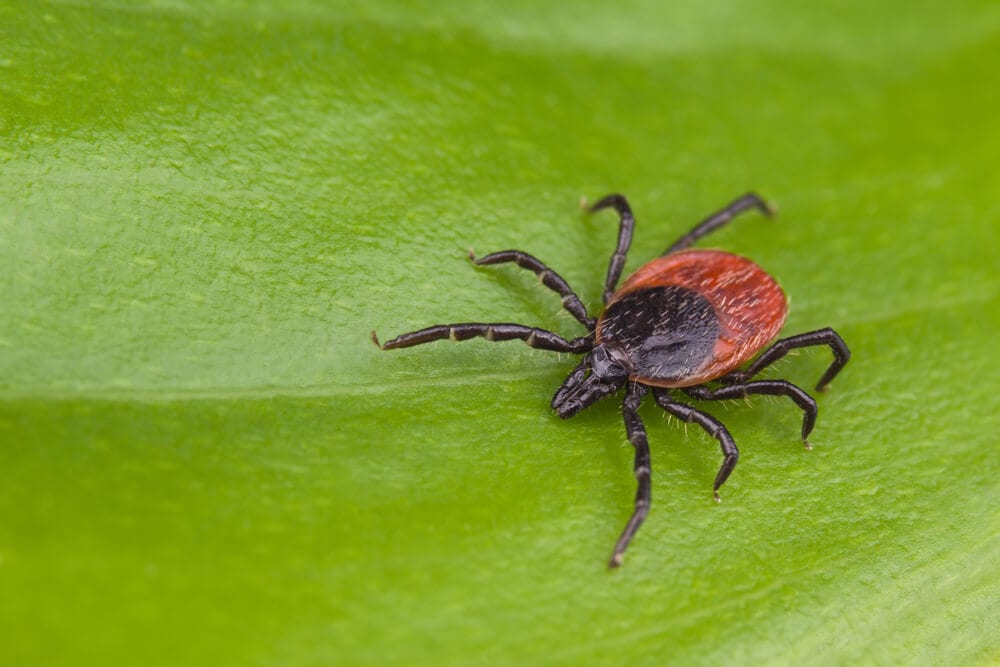
A Homeowner’s Guide to Tick Habitats and Prevention tick on a leaf

Ticks are certainly tiny, but they can cause serious problems when they take up residence around your home and yard. From itchy bites to severe Lyme disease symptoms, it’s crucial to understand the basics of tick control if you live in New Jersey.  

At Precise Termite & Pest Control, we are here to help you feel confident and educated about tick prevention to protect your family and property. So, here’s a lesson in Tick Control 101 that you can refer back to during any season of the year.  

Tick Habitats Around Homes and Yards 

Ticks thrive in moist, shaded areas with high humidity and nearby viable hosts (such as wildlife, pests, and people). Although many people assume that you only encounter ticks in the deep woods, you also often find them in residential yards near wooded areas, tall grass, brush, and leaf piles. These hiding spots provide ideal places for ticks waiting to latch onto unsuspecting hosts.  

You might also find ticks hitching a ride on your pet’s fur after spending time outdoors or on clothing you wear outside. Once ticks move inside, you might find them hiding in cracks and crevices, in carpet, and around baseboards. Understanding these types of hiding spots can help you focus your tick control efforts where they’re most effective outdoors, where tick populations typically originate 

Peak Tick Season and Behaviors  

In New Jersey, ticks are most active during the summer months. However, some tick activity extends into the spring and fall as well. Ticks require blood meals to survive and reproduce. So, they often attach to warm areas of the body, such as behind the knees, around the waistband, and inside the ears.  

After spending time outdoors, make a point to regularly inspect family members and pets to improve early detection and strengthen your tick prevention strategy.  

Practical Tick Prevention Tips  

However, effective tick prevention involves more than just removing ticks after they latch on. It also requires making your home and yard less attractive to these pests in the first place.  

Here are some tick control strategies to try at home:  

  • Keep a tidy yard, including trimming grass short, removing fallen branches, and raking leaves 
  • Create barriers around lawn edges and play areas with gravel, wood chips, or mulch to discourage tick activity  
  • Landscape strategically to remove potential tick habitats around decks, patios, and playgrounds 
  • Try EPA-registered repellents to deter ticks from your skin and clothing  
  • Perform full-body checks of people and pets to check for ticks after spending time outside  

Contact Us for Professional Tick Control  

Although these at-home measures can be extremely beneficial and effective, nothing beats professional tick control for the most comprehensive defense. Precise Pest Control’s technicians can identify problem tick areas and apply targeted exterior treatments up to 4 feet in from the property perimeter, focusing on areas where ticks are most likely to live and breed. 

At Precise, we offer outdoor-only tick control services that help you be proactive about tick prevention and avoid dangerous diseases with long-term consequences. It is our goal to provide you with peace of mind about your yard, so you can enjoy more time outside and make memories with the ones you love. 

We have decades of experience managing ticks in New Jersey landscapes and can customize tick control solutions to your specific needs. Please contact us online or at 866-971-2847 to learn more about our tick prevention and to schedule your free inspection.