Category Archives: Precise Pest and Termite Control Services

How to Identify Termite Damage and Prevent It
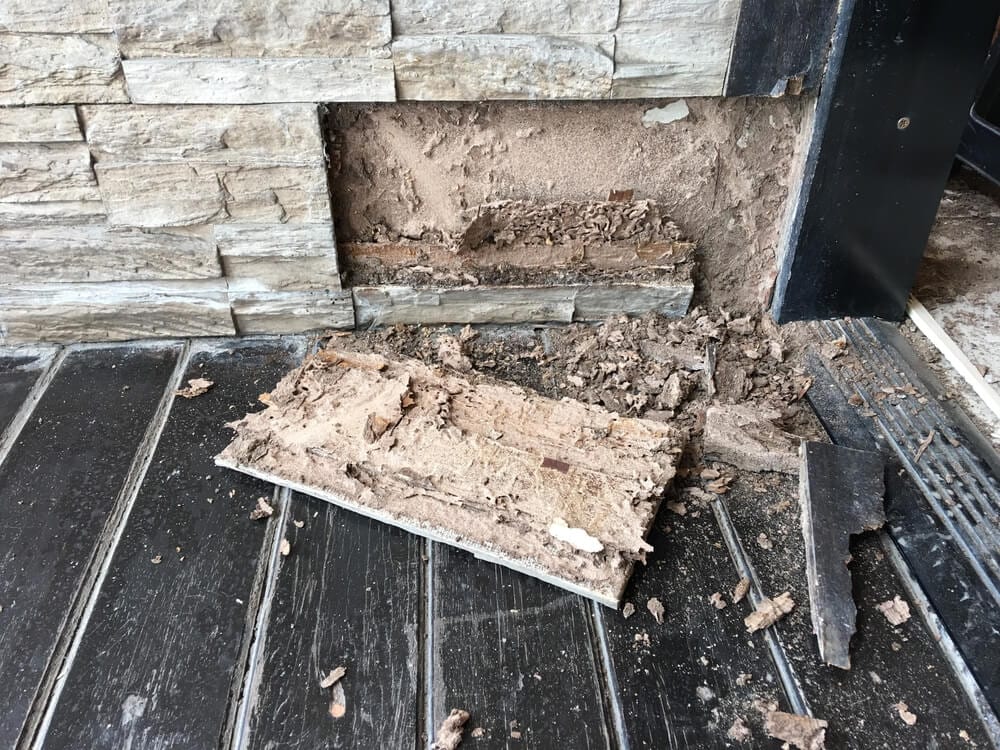
termite damage in the wall of a home

New Jersey homeowners face various types of pests that threaten to destroy their homes and yards. One of the most destructive is the termite, which is notorious for creating structural damage in local houses.

Precise Termite & Pest Control offers professional termite eradication and helps homeowners identify the types of termites they have to prevent future infestations.

What Do Termites Look Like?

Dozens of termite species exist in our world today, but they all have a somewhat similar appearance. Termites are typically between a quarter-inch and a half-inch long. They are white or light brown in color and have soft bodies, straight waists, and straight antennae.

Homeowners sometimes misidentify carpenter, flying, and fire ants as termites because of their appearance. To the untrained eye, termite damage can resemble the damage caused by powderpost beetles and carpenter bees.

Types of Termites to Know

Termite species can be broken down into several categories. For example, subterranean termites live in soil, build large nests, and cause most of the termite damage to New Jersey homes.

Next up are drywood termites, which prefer living in moist wood conditions outdoors and are, therefore, often less of a problem for New Jersey homeowners. They don’t need soil to survive; however, they love to feast on hardwood floors slowly and devastatingly in homes.

Meanwhile, Formosan termites are very destructive but less common in New Jersey than in other parts of the country.

Damage Caused by Termites

Regardless of the species, termites cause extensive damage to the structural integrity of buildings. Termites commonly take up residence in wall studs, support beams, ceiling joints, and household furniture. It is also possible for termites to inhabit non-wood materials of your home, such as metal siding and insulation.

Subterranean termite damage often resembles water damage because this species prefers soft wood and eats wood along the grain. Drywood termite damage results from tunnels the insects build inside walls and furniture, as these termites eat large sections of wood and chew against the wood grain.

Identifying Termite Damage Early

Termites frequently cause damage to a home’s floors, ceilings, siding, plaster, metal, and furniture. There are several tell-tale signs of termite damage, which is helpful since termites cause at least $5 billion in damage to American homes annually.

Here are some common signs of termite damage to look for:

  • Buckling paint and tiny holes in the wood
  • Weak and missing parts of wood structures
  • Mud tubes where your home touches the ground outside (looks like clumpy lines in the soil)
  • Fecal pellets near termite tunnels
  • Termite wings near windows and doors

Professional Help with Termite Identification and Termite Extermination

If you notice any of these signs of damage or the presence of insects around your home that you’re unsure about, it’s time to call in the professionals.

Precise Termite & Pest Control is your local expert in New Jersey termites. We offer prompt, affordable, and reliable extermination services with excellent customer service and no pressure.

Identifying and eradicating termites on your own can be challenging, especially if you aren’t sure what to look for or haven’t dealt with an infestation before.

With termites, prevention is your best defense, and many homeowners don’t notice any pest activity until extensive damage is already done. Therefore, it’s smart to have our exterminators come to your home for a free inspection to assess your potential termite risks and plan ahead for them.

Please call us at 866-971-2847 or complete our online form to learn more about our inspections and termite extermination and prevention services.

Are Flying Ants as Bad as Termites?

Damage caused by TermitesFor many homeowners, having termites in the house is just about as bad as it can get because of how much damage they can cause. But how bad is it to have flying ants around your home, and what kind of damage can these insects cause?

This article compares flying ants vs. termites and how to handle a flying ant situation when one occurs.


Similarities Between Flying Ants vs. Termites

Both flying ants and termites are insects that fly and swarm, which makes many people mistake one species for the other. They also have similar sizes, shapes, and colors – at least to the untrained eye of someone who is not a pest control professional.

Also, both of these insects live in large colonies and operate within caste systems. Neither termites or flying ants are known to typically bite humans.


Differences Between Flying Ants vs. Termites

Yet when you take a closer look, there are a lot of variations between a winged ant and a termite. The body of a termite has a straight abdomen, while a flying ant has a thinner, pinched waist. Termites have equal length wings, while flying ants have wings of unequal length. The antennae of a termite are straight, while a flying ant’s antennae are bent.

The best way to tell which type of insect you are dealing with is to get a good up-close look at it, which is why pest control diagnoses are best left to an experienced professional.

Although both insects can live in wood, termites cause structural damage while ants usually do not. Flying ants are less likely to cause actual damage to your home but they can certainly be a nuisance. Termites eat plant matter, while flying ants eat both plants and other insects. The life cycles of these two insects differ as well because termites go through three phases and ants go through four stages of life.


Get Help to Control Winged Ants

Whether you have termites or flying ants around your home, chances are that you just want them gone as quickly and safely as possible.

We have been in this business for over 30 years and know all the best strategies for keeping Northern New Jersey homes pest-free. If you suspect that you have termites or winged ants around your home, contact us today at 866-971-2847 for a free inspection.

Termite Poop: The Dangers, What It Looks Like, and What to do About It
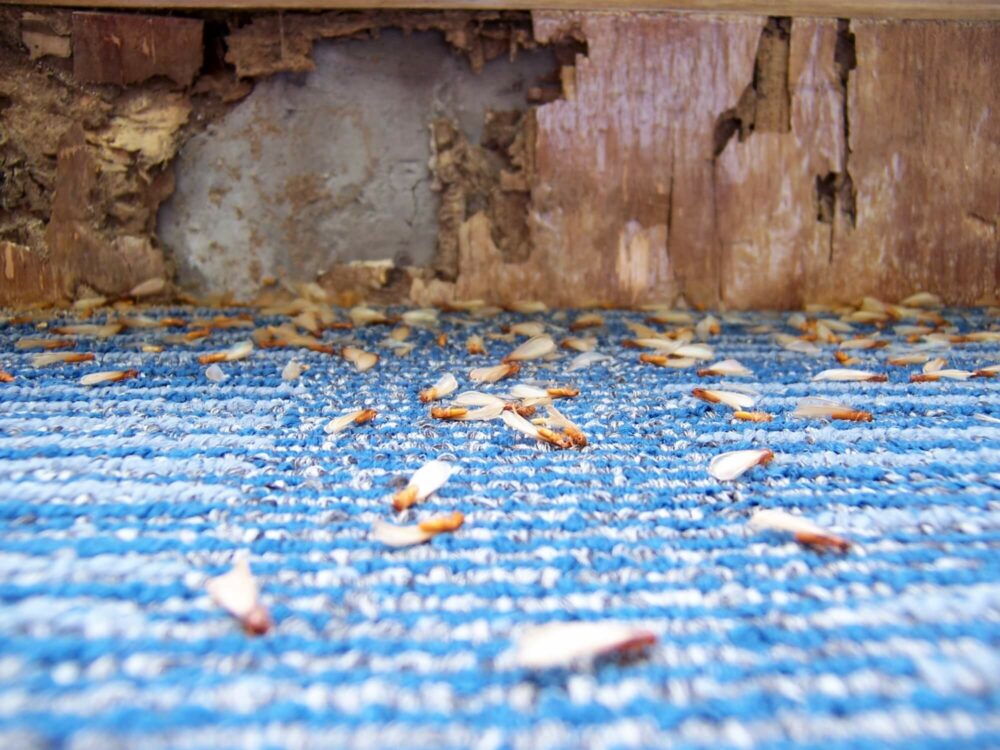
Pests can be difficult to see and track with the naked eye, but they often leave droppings behind that make their presence very obvious in a home. One such pest is the termite, an insect that eats wood and is known to destroy walls and furniture. But the droppings that termites leave behind can put your health at risk if not properly controlled by a professional.

Here is some information about termite poop and answers to common questions like “Is termite poop dangerous?”

What Does Termite Poop Look Like?

Although the droppings of a termite can vary from one species to the next, it is most commonly oval-shaped, has concave sides, and rounded ends. It may look like tiny pellets of salt and pepper, but overall, it is typically the color of the wood. It is best to have a professional exterminator help you identify what the droppings are to correctly diagnose the problem and then pursue the best solution for that type of pest.

Is Termite Poop Dangerous?

To answer the question is termite poop dangerous, research shows that termite poop is not necessarily toxic to humans. However, there are still health risks of exposure to termite poop, including skin irritations, allergic reactions, and asthma attacks. Unlike some pests, such as rats and mice, termite poop is not associated with a great risk of spreading communicable diseases. But it could make you feel sick if the termite poop enters food or water sources in your home.

Why Is Termite Poop Harmful?

In addition to these potential health risks, termite poop is harmful because it is a telltale sign that costly property damage is on the horizon. Termites are sneaky pests that often go unnoticed, but you can be more proactive about termite removal if you take action as soon as you notice termite poop.

Termite poop on a bed often means there is a termite infestation in the ceiling or roof. Termite poop on a window sill commonly means there are nests and mud tunnels nearby. If you see termite poop on the carpet or floor of your home, termites likely live in or under the floor, causing an effect that may resemble water damage.

What to Do If You Discover Termite Poop

At Precise Pest Control, we offer full-service termite inspections and removal in homes and businesses throughout northern New Jersey. Termites are our top specialty, and by calling us at the first signs of termite poop, you can save yourself thousands of dollars of property damage and reduce your risk of health problems. We look forward to helping you identify and solve termite problems in your home so that you can rest easy and save money in the long-run.

Pests to Be on the Lookout for in Your Home This Fall

It’s a fact of life in New Jersey that pests start making their way inside your home once the summer comes to an end. With cooler temperatures outside and plenty of warm and inviting homes in the area, fall is a prime time for infestations of many types of pests.

These are the top Bergen County pest control concerns for fall and what you can do to keep pests away from your home all season long.

Continue reading

Stinkbug Season Is Upon Us

Stink bugs can be major household pests, stealthily getting into your home through doors, seal cracks, utility pipes and other types of openings. Not only do these creepy crawlies often make homes smell unpleasant, but they also tend to gather in large groups — not exactly fun to see in your living room. Mature stinkbugs also like to consume fruit.

It’s a real stinker of a problem

Stinkbugs, true to their name, often stink. It’s no joke. Their strong odors are a means of defense. They release these smells via openings in their abdomens. When they do so, it generally means that they’re trying to protect themselves from potential predator attack — think reptiles and birds. If you try to catch a stinkbug to remove it from your residence, however, you might notice the pest giving off the odor, too. Not only are stinkbug odors yucky, but also they’re also extremely strong and persistent. They sometimes linger for a minimum of six months, which is the last thing you want in your home.

Continue reading

Choosing the Right Pest Control Company in New Jersey

There are a number of pests that are common in the state of New Jersey, especially at certain times of the year. For example, the changing months of fall and spring tend to be popular times for insect problems in residential areas. Furthermore, the cooler months of winter are a common time for rat, mouse, and even raccoon problems. Regardless what kind of pest the homeowner may be dealing with, what remains most important is that they contact professional pest control services to have the situation addressed and taken care of as soon as possible.

Getting Rid of Your Pest Infestation

The first step is always figuring out what kind of pest is infesting your home. Precise Termite and Pest Control are experts in their field and have been offering homeowners in the New Jersey area pest control services for over 25 years.

Continue reading