
When the first frosts arrive in New Jersey, cluster flies start looking for shelter. They gather on sunny exterior walls in October and November, then slip into gaps around windows, siding, and rooflines to spend the winter. By February or March, a warm afternoon can bring them out of hiding, leaving homeowners wondering where all those sluggish flies came from.
If you’re seeing cluster flies in your house, the good news is they don’t breed indoors and typically don’t pose a health threat. The challenge is reaching the flies hidden inside wall spaces—and preventing the next seasonal invasion.
Precise is here to help you figure out how to get rid of cluster flies in your house, in addition to addressing any other general pest control needs you may have.
What Are Cluster Flies?
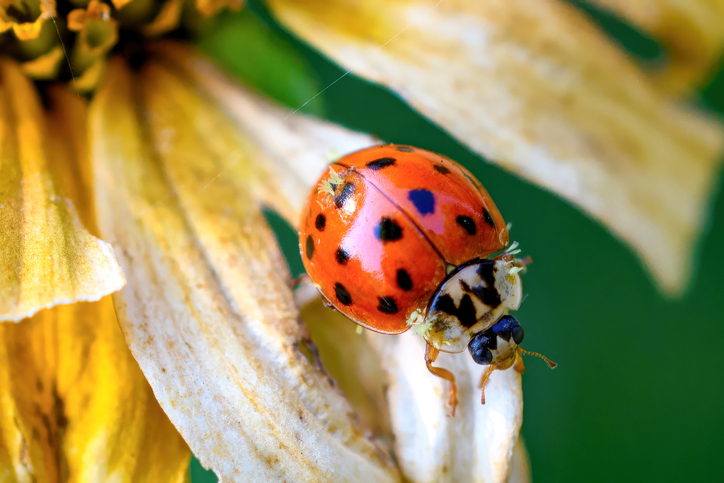
What do cluster flies look like? Cluster flies are slightly larger than common house flies, with dull gray bodies, golden hairs on the thorax, and wings that overlap when resting. They tend to move slowly and fly clumsily, especially when emerging from winter hiding places. On a sunny late-winter day, you may find several gathered around a window, apparently trying to get outside.
According to Penn State Extension’s guide to cluster flies, these insects seek protected places to overwinter and can become noticeable inside buildings during warmer weather.
Cluster Flies vs. House Flies
Although they might look similar at first glance, there are distinct behavioral differences between cluster flies vs. house flies. For example, cluster flies aren’t usually attracted to dirty kitchens or garbage. This means cleaning alone won’t solve a cluster fly infestation because they are seeking winter shelter, not food inside your home.
Here’s a comparison to illustrate the difference:
| Feature | Cluster flies | House flies |
| Appearance | Gray, often with golden hairs | Usually darker gray with distinct dark stripes |
| Movement | Sluggish and clumsy indoors | Generally more active |
| Common locations | Windows, attics, and wall spaces | Kitchens, garbage areas, and food-preparation spaces |
| Breeding habits | Larvae develop as parasites of earthworms outdoors | Breed in decaying organic matter, including garbage |
Why Are Cluster Flies in My House?
Cluster flies begin their lives outdoors. Their larvae develop as parasites of earthworms in the soil, and adult flies emerge during the warmer months. As autumn approaches, they look for protected places to spend the winter.
Sunny exterior walls, especially those facing south or west, can attract large numbers of cluster flies as temperatures drop. Once they reach a building, they may enter through tiny openings around windows, siding, utility lines, and roof edges. Older homes in northern New Jersey are particularly susceptible when cracks and gaps provide easy access to the warm and cozy interior.
After entering, cluster flies in a house will settle into wall voids, attics, window frames, and other sheltered spaces. They don’t establish breeding populations inside your home, even if it seems like more appear every day.
So why do they suddenly show up in February or March? A warm spell can activate many flies hiding in the same area. They move toward light and warmth, often ending up on windows. More may emerge as temperatures fluctuate, making the problem seem endless even though they’re not reproducing indoors.
Are Cluster Flies Harmful?
Cluster flies are a nuisance, not a health threat. Do cluster flies carry disease? No, they don’t bite, and they aren’t known to spread diseases to people. They also don’t typically damage buildings, furniture, or household belongings.
However, a heavy cluster can leave small, annoying spots on your walls, curtains, and window coverings. Crushing the flies may release an unpleasant, sometimes buckwheat-honey-like odor and leave behind stains.
Another reason to remove dead flies rather than let them accumulate in wall spaces is that their remains can attract secondary pests, including larder beetles and carpet beetles. If you’re noticing additional insects around stored fabrics or other household items, learn more about carpet beetle risks and infestations.
How to Get Rid of Cluster Flies (and Keep Them Out)
The best cluster fly treatment approach combines immediate removal and prevention. Unfortunately, the most obvious DIY methods don’t necessarily address the source of the problem.
Here’s how to address the situation:
- Seal entry points before fall. In August and September, inspect window frames, siding, roofline gaps, and utility openings. Seal appropriate cracks and repair damaged screens to help prevent flies from entering. For more seasonal prevention tips, see our guide to winter pest control and pest-proofing your home.
- Use a vacuum to remove active flies. When sluggish flies gather on windows or walls, vacuuming is the simplest way to remove them without crushing them. Empty the vacuum outdoors promptly so captured flies don’t crawl back out.
- Avoid squashing them. Crushing cluster flies can create unpleasant odors and leave marks on surfaces. Gentle removal is a better option.
Don’t rely on scent repellents or ordinary fly sprays for your solution to how to get rid of cluster flies. Store-bought sprays may kill flies they directly contact but won’t reach insects tucked deep inside wall voids. Scent-based remedies aren’t a reliable way to prevent or eliminate an infestation, either. That’s why repeated swatting and spraying can feel like an endless cycle: you’re removing the flies you see without addressing the larger group still hiding nearby.
Our Professional Cluster Fly Treatment
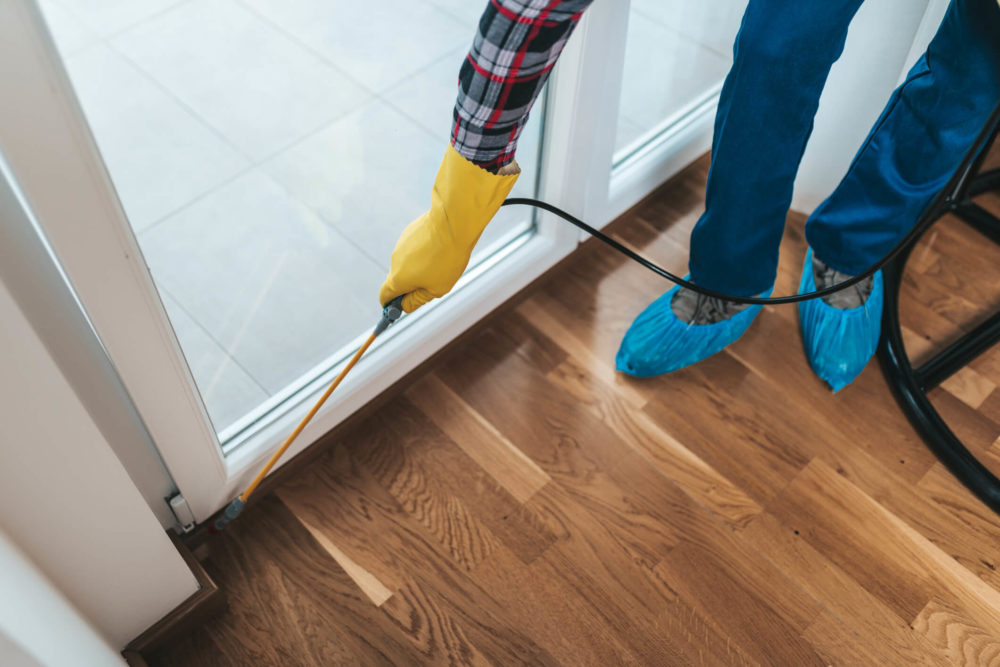
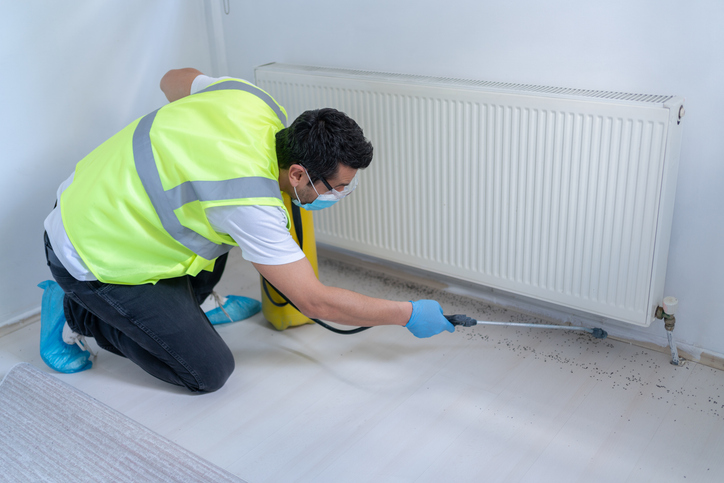
When cluster flies keep appearing despite your best efforts, professional cluster fly treatment can help knock down the active infestation. Precise Termite & Pest Control offers a dedicated, one-time cluster fly treatment for homeowners in northern New Jersey. We proudly serve Bergen, Passaic, Morris, Essex, and Sussex counties.
This is a unique, separate service, not part of our standard general pest control programs. If you’re experiencing a cluster fly problem, be sure to request our cluster fly treatment specifically.
Our cluster fly treatment is designed to target active flies and the surfaces where they land. However, we can’t guarantee every hidden fly will be eliminated, because insects deep inside wall voids may remain out of reach despite all efforts.
What to Expect After Treatment
You may still see a few flies emerge after our cluster fly treatment, particularly when temperatures rise and fall. Those insects have likely been sheltering deep inside walls or other inaccessible spaces before becoming active. But their appearance doesn’t mean the treatment failed; it simply reflects the way cluster flies overwinter.
Precise’s cluster fly service is a one-time treatment intended to knock down active flies, not a guaranteed maintenance plan, and it comes with no warranty. We also highly recommend sealing entry points to reduce the likelihood of another seasonal cluster fly invasion next year.
Cluster Fly FAQs
Below are answers to common questions our customers ask abouthow to get rid of cluster flies. Our blog offers additional resources for tackling your most challenging pest problems in New Jersey.
Why do I suddenly have cluster flies in my house?
They likely entered through small gaps in fall and gathered in sheltered spaces to overwinter. A warm day can wake many of them at once, sending them toward sunny windows.
What smell do cluster flies hate?
No particular scent reliably repels or controls cluster flies or should be considered an efficient cluster fly treatment. Sealing entry points, removing active flies, and scheduling our professional treatment are far more dependable approaches.
Do cluster flies eventually go away?
Yes, as spring comes, cluster flies become more active outdoors and leave behind their winter hiding places. However, untreated entry points can allow another generation to invade your home the following fall.
How do I permanently get rid of cluster flies?
No single treatment exists that guarantees the permanent elimination of each and every cluster fly. Sealing gaps before fall, removing active flies, and targeted professional treatment can help reduce the current problem and the likelihood of future invasions.
Does killing cluster flies attract more?
No, killing cluster flies does not attract additional flies. However, dead flies left in wall spaces can provide food for secondary pests, such as larder beetles and carpet beetles.
Conclusion: Take Back Your Windows
Cluster flies are certainly a seasonal nuisance, but repeated invasions can make late winter downright frustrating. Vacuuming helps with visible flies, while sealing entry points helps prevent future problems. For a heavy infestation, Precise Termite & Pest Control offers one-time cluster fly treatments throughout Northern New Jersey, including Bergen, Passaic, Morris, Essex, and Sussex counties.
Contact Precise to discuss your cluster fly situation and determine whether this service is right for your home.