Category Archives: Uncategorized

What Is a Stink Bug and Signs You Have a Stink Bug Infestation

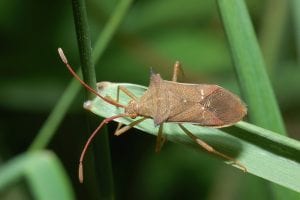
Stinkbug infesting a New Jersey backyard

Did you know that some insects release an odor as a defense mechanism to protect themselves? Although their official name is Pentatomoidea, this is how stink bugs got their common name. Stink bugs are common in New Jersey and can be a major problem for homeowners if they aren’t kept under control. Here is what you should know about stink bugs, including what attracts stink bugs and what keeps stink bugs away.

Continue reading

Bird Pest Control: Types of Birds That Are Pests and What to Do About Them

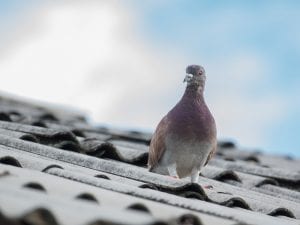
Pigeon on a roof

There’s something beautiful and soothing about waking up to the sound of birds gently chirping to greet the new day. But not all birds are pleasant to have around your home, and some birds are actually considered to be pests because of the damage they cause and dangers they pose.

Here is some information about bird pest control, including what to do if you have a bird problem and the best bird control methods.

Continue reading

The Risks of a Bird Infestation and How to Prevent Bird Issues Around the Home

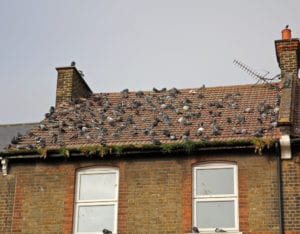
bird infestation on roof of house

Many people enjoy the sounds of birds chirping in the morning to welcome a new day, but not all bird interactions are this pleasant. Birds tend to roost on roofs and other areas around the home, coming back year after year or never even really leaving the premises. Here is some information about the risks of bird infestations in your home and yard, how to remove and prevent birds from coming back, and the importance of humane treatment of birds.

Continue reading

How to Identify and Remove Carpenter Ants

Prevent Carpenter Ant Damage to Your House

Carpenter ants aren’t just a nuisance; they can cause serious damage to your home and cost you an extraordinary amount of money. Here’s what you need to know about these pests and where to find effective carpenter ant removal NJ.

Basics of Carpenter Ants

These are one of the most common ants in the U.S. and have large populations in New Jersey. Carpenter ants are typically between ¼ inch to 3/8 inch in length, and although most are black, some can be reddish or yellowish in color. These ants live in colonies with an egg-laying female, males with short life spans, and sterile female worker ants. One of the telltale signs of a carpenter ant problem is the “sawdust” left behind, which may lead to their nest.

Continue reading

What Are “Super Termites” and How to Prevent Them

As if termites weren’t bad enough, now “super termites” have appeared and are threatening parts of the country. Super termites are a relatively new hybrid species that are thought to be even more damaging and destructive than their counterparts.

These hybrids pose serious risks because they’re larger, more resilient, and live in fast-growing colonies. Let’s learn a bit more about the origin of the super termite and how you can prevent termite investigations of all kinds.

Super Termites in Florida

South Florida made headlines when an invasive species of termites surfaced here. Apparently, two separate termite species that originated in Asia mated and started giving birth to a stronger and more adaptable version of the termite. Scientists have hypothesized that the gradually warming climate could be impacting termites’ mating seasons and making them more temperature tolerant.

Super termites could cause large-scale environmental problems and destroy thousands of homes around the world. Other places that are home to the most destructive types of termites include Hawaii and Taiwan. Researchers fear that these hybrid termites could easily spread to other parts of the U.S. and the world as well.

Signs of Termite Damage

Termites aren’t inherently damaging to the natural environment because they help break down debris to allow nutrients to enter the soil. However, they can really wreak havoc on your home. Termites feed on wood and compromise the strength and safety of your home’s infrastructure. They can also impact laminate flooring, walls, and carpet.

These are some of the most common signs of termite damage.

  • Holes in cabinets, floors, ceilings, or anything made of wood
  • Buckling or swollen floors and ceilings
  • A scent that smells like mold or mildew
  • Tunnels near the foundation of your home

Termite Prevention Tips

To protect your home from costly and time-consuming repairs, here are a few termite prevention tips to keep in mind.

  • Hire licensed pest management companies to conduct regular inspections of your home for termites
  • Seal cracks and holes in your home’s foundation
  • Keep mulch, firewood, and sawdust at least 20 feet away from your home and stored on bricks
  • Make sure that your attic and crawl space are well-ventilated
  • Keep wood siding and stucco at least six inches from the ground
  • Promptly repair leaky faucets, roofs, and gutters
  • Avoid letting rain and leaves accumulate in outdoor gutters and drains

Termite Control in Bergen County

Pests are often a major cause of concern for New Jersey homeowners, so it’s important find reliable termite control in Bergen County. Termites, whether the super hybrid type or the standard variety, eat non-stop 24/7, causing up to $2 billion in damage per year!

And unfortunately, the damage is often not noticeable until you have a full-blown infestation. As soon as you notice any termite activity or telltale signs of damage, contact a local professional to stop the situation before it gets out of hand.

5 Ways to Protect Your Home from Carpenter Ants

Carpenter ants are pests that destroy homes, but in a somewhat different way than termites. They build smooth nests in both moist environments and in dry wood. Common breeding grounds are often found around windows, bathtubs, sinks, old tree stumps, and dead or dying trees near your home. They’re among the largest types of ants, averaging about ¼-inch to 3/8-inch long, and they’re typically black, yellowish, or reddish in color.

These little pests can cause tremendous damage in a home by burrowing tunnels through wood and insulation. Although they are a nuisance, you can do a lot to prevent carpenter ant colonies from forming in and around your home. Here are five ways to protect your house from carpenter ants.

Don’t Store Firewood on the Ground or Indoors

One big mistake that homeowners make is storing firewood on the ground for later use. This attracts carpenter ants, which are drawn to areas of wood-to-soil contact. Grab some bricks and elevate your wood off the ground before taking it inside.

Although it might be tempting to store firewood indoors on cold winter days, this is not a good idea either. Always store wood outdoors and inspect it carefully before bringing it inside.

Trim Near Trees & Bushes

Since carpenter ants thrive in both dry and moist wood, it’s important to keep trees, bushes, and foliage a safe distance away from your home’s exterior. Carpenter ants have a habit of using nearby tree and brush branches to make their way into your house.

As a general rule, no plants should touch your siding, windows, or roofing. This is also helpful if you hire a pest control professional to spray localized pesticides around your home to kill stubborn ant populations that remain after nests are physically removed.

Call for Help When You Identify an Infestation

If you experience a carpenter ant infestation, it’s a good idea to contact a professional pest control company to handle the situation. The quicker that you rid your home of carpenter ants, the less likely that your home will have serious structural damage.

If you are inexperienced with this species and only remove some of the ants, the colony could rebound and multiply. Queen ants lay about 15-20 eggs in their first year and up to 30 eggs in their second year. Find a trusted professional to collect and identify the ants and determine if physical controls are adequate or if chemical pesticides are needed to drive them out.

Carpenter Ant Removal and Prevention Tips

  • First find the nest and then determine your carpenter ant removal options
  • Look for “satellite” ant colonies about 20-40 feet from the parent nest
  • Regularly inspect your foundation for cracks and seal up openings to prevent ants from entering
  • Fix leaky roofs and chimneys to prevent wood from staying moist
  • Consider chemical pesticides as a last resort if ants cannot all be captured
  • After removal, seal access points and replace damaged wood

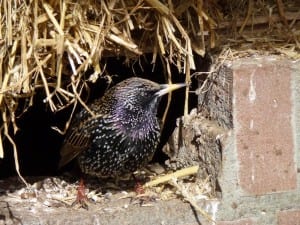
Bird Removal NJ: When the Non Native European Starlings Invade Your Space

Bergen County Bird Removal

Consulting the best service partners available for bird removal NJ has to offer is your best bet in controlling unwanted pests. European Starlings are a common species of bird that can be found nearly anywhere, from Alaska to Mexico. They are about the size of a robin and each weight about 3.2 ounces. They are completely black during the summer and develop white spots during the winter. Both males and females have pale yellow beaks during the breeding season and dark beaks the rest of the time

Continue reading

Bird Removal Services in New Jersey

One of the services Precise Termite and Pest Control provides is bird control services in New Jersey. One of the places that birds such as starlings, pigeons and seagulls tend to build their nests is in gutters or other stable outside building structures such as behind company signs. Birds are not clean animals and can carry many diseases. Birds are creatures of habit and unfortunately, removing their nests from the building structure isn’t enough, their return must also be prevented. This is done by using barriers such as nets, baits, or mild and harmless electric shock wires.

Having birds conspicuously nesting on your home or place of business can cause damage in numerous ways. First, their droppings can contain numerous diseases and are very eroding. If not cleaned within a day; they often attach and melt into the part of the structure that they are on. Insects and rodents are attracted to the nests which will ultimately cause more headaches in the long run for the homeowner.

Continue reading